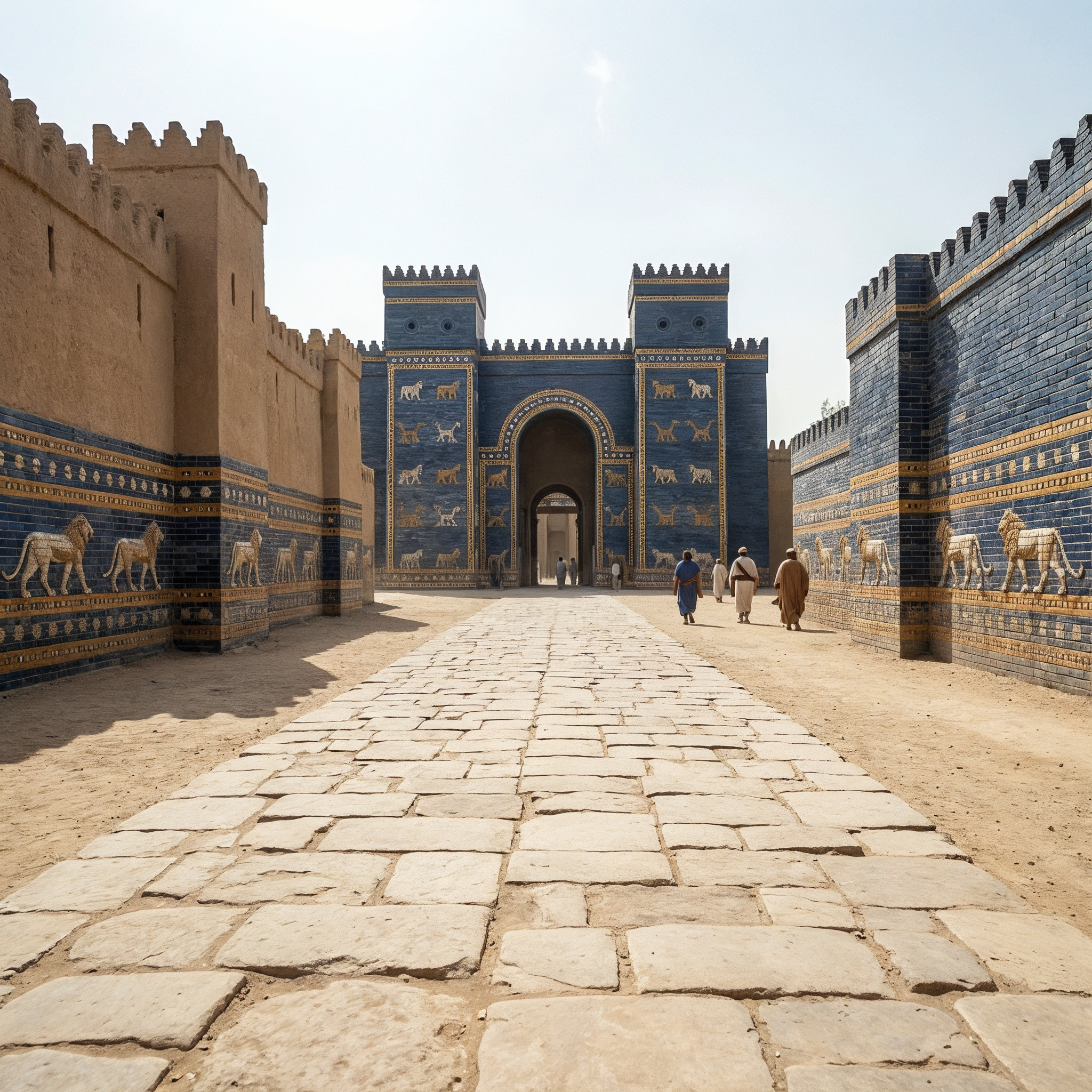
 but he queried, “I’m afraid of my master the king, who’s assigned your food and drink—if he saw you guys looking worse than the others of your own age then I’d risk losing my head if the king got angry.”
OET OET-RV OET-LV GHT ULT UST BSB MSB BLB AICNT OEB WEBBE WMBB NET LSV FBV TCNT T4T LEB BBE Moff JPS Wymth ASV DRA YLT Drby RV SLT Wbstr KJB-1769 KJB-1611 Bshps Gnva Cvdl TNT Wycl SR-GNT UHB BrLXX BrTr Related Parallel Simple Interlinear Topics Reference Dictionary Search
ParallelVerse GEN EXO LEV NUM DEU JOB JOS JDG RUTH 1 SAM 2 SAM PSA AMOS HOS 1 KI 2 KI 1 CHR 2 CHR PROV ECC SNG JOEL MIC ISA ZEP HAB JER LAM YNA (JNA) NAH OBA DAN EZE EZRA EST NEH HAG ZEC MAL LAO GES LES ESG DNG 2 PS TOB JDT WIS SIR BAR LJE PAZ SUS BEL MAN 1 MAC 2 MAC 3 MAC 4 MAC YHN (JHN) MARK MAT LUKE ACTs YAC (JAM) GAL 1 TH 2 TH 1 COR 2 COR ROM COL PHM EPH PHP 1 TIM TIT 1 PET 2 PET 2 TIM HEB YUD (JUD) 1 YHN (1 JHN) 2 YHN (2 JHN) 3 YHN (3 JHN) REV
Dan Intro C2 C3 C4 C5 C6 C7 C8 C9 C10 C11 C12
Dan 1 V1 V2 V3 V4 V5 V6 V7 V8 V9 V11 V12 V13 V14 V15 V16 V17 V18 V19 V20 V21
Note: This view shows ‘verses’ which are not necessarily natural language units and hence sometimes only part of a sentence will be visible—click on any Bible version abbreviation down the left-hand side to see the verse in more of its context. Normally the OET discourages the reading of individual ‘verses’, but this view is only designed as a tool for Bible-translators and others doing comparisons of different translations—the older translations are further down the page (so you can read up from the bottom to trace the English translation history). The OET segments on this page are still early looks into the drafted texts of the Open English Translation of the Bible—please double-check these texts in advance before using in public.
Text critical issues=none Clarity of original=clear Importance to us=normal Speaker(s)=Narrator (All still tentative.)
OET (OET-RV)
but he queried, “I’m afraid of my master the king, who’s assigned your food and drink—if he saw you guys looking worse than the others of your own age then I’d risk losing my head if the king got angry.”
OET-LV And_ the_chief_of _he/it_said the_officials to/for_Dāniyyʼēl am_fearing I DOM my_master the_king who he_has_assigned DOM your(pl)_food and_DOM your(pl)_drink that to/for_what will_he_see DOM your(pl)_faces looking_thin more_than the_youths who are_about_age_of_your(pl) and_you(pl)_will_endanger DOM my_head to_king.
UHB וַיֹּ֜אמֶר שַׂ֤ר הַסָּרִיסִים֙ לְדָ֣נִיֵּ֔אל יָרֵ֤א אֲנִי֙ אֶת־אֲדֹנִ֣י הַמֶּ֔לֶךְ אֲשֶׁ֣ר מִנָּ֔ה אֶת־מַאֲכַלְכֶ֖ם וְאֶת־מִשְׁתֵּיכֶ֑ם אֲשֶׁ֡ר לָמָּה֩ יִרְאֶ֨ה אֶת־פְּנֵיכֶ֜ם זֹֽעֲפִ֗ים מִן־הַיְלָדִים֙ אֲשֶׁ֣ר כְּגִֽילְכֶ֔ם וְחִיַּבְתֶּ֥ם אֶת־רֹאשִׁ֖י לַמֶּֽלֶךְ׃ ‡
(vayyoʼmer sar haşşārīşīm lədāniyyēʼl yārēʼ ʼₐnī ʼet-ʼₐdoniy hammelek ʼₐsher minnāh ʼet-maʼₐkalkem vəʼet-mishtēykem ʼₐsher lāmmāh yirʼeh ʼet-pənēykem zoˊₐfim min-hayəlādīm ʼₐsher kəgilkem vəḩiyyaⱱtem ʼet-roʼshiy lammelek.)
Key: khaki:verbs.
Note: Automatic aligning of the OET-RV to the LV is done by some temporary software, hence the OET-RV alignments are incomplete (and may occasionally be wrong).
BrLXX (DNG 1:10) Καὶ εἶπεν ὁ ἀρχιευνοῦχος τῷ Δανιὴλ, φοβοῦμαι ἐγὼ τὸν κύριόν μου τὸν βασιλέα, τὸν ἐκτάξαντα τὴν βρῶσιν ὑμῶν καὶ τὴν πόσιν ὑμῶν, μήποτε ἴδῃ τὰ πρόσωπα ὑμῶν σκυθρωπὰ παρὰ τὰ παιδάρια τὰ συνήλικα ὑμῶν, καὶ καταδικάσητε τὴν κεφαλήν μου τῷ βασιλεῖ.
(Kai eipen ho arⱪieunouⱪos tōi Daniaʸl, foboumai egō ton kurion mou ton basilea, ton ektaxanta taʸn brōsin humōn kai taʸn posin humōn, maʸpote idaʸ ta prosōpa humōn skuthrōpa para ta paidaria ta sunaʸlika humōn, kai katadikasaʸte taʸn kefalaʸn mou tōi basilei.)
BrTr (DNG 1:10) And the chief of the eunuchs said to Daniel, I fear my lord the king, who has appointed your meat and your drink, lest he see your countenances gloomy in comparison of the young men your equals; so shall ye endanger my head to the king.
ULT And the chief of the eunuchs said to Daniel, “I, I fear my lord the king, who has assigned your food and your drink. For why should he see your faces looking worse than the youths who, are like your age? Then you would endanger my head with the king.”
UST However, the chief official told Daniel, “My master, the king, ordered us to give you his own food and drink. So I am afraid of what he might do to me if I let you eat something else. Suppose he saw that you were not as healthy as the other young men who are your age. Then he might execute me!”
BSB & MSB but he said to Daniel, “I fear my lord the king, who has assigned your food and drink. For why should he see your faces looking thinner than those of the other young men your age? You would endanger my head before the king!”
OEB No OEB DAN 1:10 book available
WEBBE & WMBB The prince of the eunuchs said to Daniel, “I fear my lord the king, who has appointed your food and your drink. For why should he see your faces worse looking than the youths who are of your own age? Then you would endanger my head with the king.”
MSG (8-10)But Daniel determined that he would not defile himself by eating the king’s food or drinking his wine, so he asked the head of the palace staff to exempt him from the royal diet. The head of the palace staff, by God’s grace, liked Daniel, but he warned him, “I’m afraid of what my master the king will do. He is the one who assigned this diet and if he sees that you are not as healthy as the rest, he’ll have my head!”
NET But he responded to Daniel, “I fear my master the king. He is the one who has decided your food and drink. What would happen if he saw that you looked malnourished in comparison to the other young men your age? If that happened, you would endanger my life with the king!”
LSV and the chief of the eunuchs says to Daniel, “I am fearing my lord the king, who has appointed your food and your drink, for why does he see your faces sadder than [those of] the boys which [are] of your circle? Then you have made my head indebted to the king,”
FBV But the chief eunuch told Daniel, “I'm afraid of what my lord the king would do to me. He's the one who decided what you should eat and drink. What if he were to see you looking pale and sickly compared to the other young men of your age. Because of you the king would have my head!”
T4T but he was worried about what I suggested. He said, “My master, the king, has commanded that you eat the kinds of food and drink that he does. If you eat other things and as a result you become more thin and pale than the other young men who are your age, he will order his soldiers to cut off my head because of what you have done!”
LEB and the commander of the court officials said to Daniel, “I am afraid of my lord, the king, who has determined your food and your drink, for ⌊why should⌋[fn] he see your face having a worse appearance than the young men who ⌊are your age⌋?[fn] Then you will endanger my head with the king.”
BBE And the captain of the unsexed servants said to Daniel, I am in fear of my lord the king, who has given orders about your food and your drink; what if he sees you looking less happy than the other young men of your generation? then you would have put my head in danger from the king.
Moff So the governor of the eunuchs said to Daniel, “My lord the king has ordered your meat and drink, and I am afraid of his noticing that you are in poorer condition than the youths who are of your own age. You would make me risk my life with the king.”
JPS And the chief of the officers said unto Daniel: 'I fear my lord the king, who hath appointed your food and your drink; for why should he see your faces sad in comparison with the youths that are of your own age? so would ye endanger my head with the king.'
ASV And the prince of the eunuchs said unto Daniel, I fear my lord the king, who hath appointed your food and your drink: for why should he see your faces worse looking than the youths that are of your own age? so would ye endanger my head with the king.
DRA Verse alignment unavailable (ambiguous).
YLT and the chief of the eunuchs saith to Daniel, 'I am fearing my lord the king, who hath appointed your food and your drink, for why doth he see your faces sadder than [those of] the lads which [are] of your circle? then ye have made my head indebted to the king,'
Drby And the prince of the eunuchs said unto Daniel, I fear my lord the king who hath appointed your food and your drink; for why should he see your faces worse liking than the youths who are of your age? and ye would endanger my head with the king.
RV And the prince of the eunuchs said unto Darnel, I fear my lord the king, who hath appointed your meat and your drink: for why should he see your faces worse liking than the youths which are of your own age? so should ye endanger my head with the king.
(And the prince of the eunuchs said unto Darnel, I fear my lord the king, who hath/has appointed your meat and your drink: for why should he see your faces worse liking than the youths which are of your own age? so should ye/you_all endanger my head with the king.)
SLT And the chief of the eunuchs will say to Daniel, I fear my lord the king, who allotted your food and your drink: for wherefore shall he see your faces gloomy above the children as of your age? and make my head guilty to the King.
Wbstr And the prince of the eunuchs said to Daniel, I fear my lord the king, who hath appointed your provision and your drink: for why should he see your faces more meager than the children who are of your sort? then will ye make me endanger my head to the king.
KJB-1769 And the prince of the eunuchs said unto Daniel, I fear my lord the king, who hath appointed your meat and your drink: for why should he see your faces worse liking than the children which are of your sort? then shall ye make me endanger my head to the king.[fn][fn]
(And the prince of the eunuchs said unto Daniel, I fear my lord the king, who hath/has appointed your meat and your drink: for why should he see your faces worse liking than the children which are of your sort? then shall ye/you_all make me endanger my head to the king.)
KJB-1611 And the Prince of the Eunuches said vnto Daniel, I feare my lord the king, who hath appointed your meat, and your drinke: for why should he see your faces [fn]worse liking then the children which are of your [fn]sort? then shall yee make mee indanger my head to the King.
(And the Prince of the Eunuchs said unto Daniel, I fear my lord the king, who hath/has appointed your meat, and your drink: for why should he see your faces worse liking then the children which are of your sort? then shall ye/you_all make me endanger my head to the King.)
Bshps And the chiefe chamberlayne sayde vnto Daniel, I am afrayde of my lord the king whiche hath appoynted you your meate and your drinke: wherfore should he see your faces worse liking then the springalds of your age, & so ye shal make me indaunger my head vnto the king.
(And the chief chamberlain said unto Daniel, I am afraid of my lord the king which hath/has appointed you your meat and your drink: wherefore should he see your faces worse liking then the springalds of your age, and so ye/you_all shall make me endanger my head unto the king.)
Gnva And the chiefe of the Eunuches sayd vnto Daniel, I feare my lord the King, who hath appointed your meate and your drinke: therefore if he see your faces worse liking then the other children, which are of your sort, then shall you make me lose mine head vnto the King.
(And the chief of the Eunuchs said unto Daniel, I fear my lord the King, who hath/has appointed your meat and your drink: therefore if he see your faces worse liking then the other children, which are of your sort, then shall you make me lose mine head unto the King.)
Cvdl that he sayde vnto him: I am afrayed off my lorde the kynge, which hath appoynted you youre meate and drynke: lest he spye youre faces to be worse lykynge then the other spryngaldes of youre age, ad so ye shal make me loose my heade vnto ye kynge.
(that he said unto him: I am afraid off my lord the king, which hath/has appointed you your(pl) meat and drink: lest he spy your(pl) faces to be less healthy then the other young men of your(pl) age, and so ye/you_all shall make me loose my head unto ye/you_all king.)
Wycl Verse alignment unavailable (ambiguous).
Luth Derselbe sprach zu ihm: Ich fürchte mich vor meinem Herrn, dem Könige, der euch eure Speise und Trank verschaffet hat; wo er würde sehen, daß eure Angesichte jämmerlicher wären denn der andern Knaben eures Alters, so brächtet ihr mich bei dem Könige um mein Leben.
(same spoke to/for him: I fear(v) me before/in_front_of my Lord, to_him king(s), the/of_the you your(pl) food and drink(n)/potion procured has; where he would see, that your(pl) faces miserable would_be because/than the/of_the other boys/lads yours(pl) age(n)s, so bring you(pl)/their/her me at/in to_him king(s) around/by/for my life.)
ClVg Verse alignment unavailable (ambiguous).
This section forms the introduction to the first division and to the book of Daniel as a whole. It tells how some Hebrew boys came to live in Babylon and serve the Babylonian king.
God allowed the king of Babylon, Nebuchadnezzar, to defeat the king of Judah. King Nebuchadnezzar ordered his chief official to choose some boys from Judah and to train them to work in the government of Babylon. Daniel and his three friends were among these boys. They excelled in their studies and the king was pleased with the wise advice they gave.
The phrase “the Lord delivered” (“Adonay gave” in Hebrew) occurs in 1:2, the phrase “God had granted” (“Elohim had given” in Hebrew) occurs in 1:9, and the phrase “God gave” (“Elohim gave” in Hebrew) occurs in 1:17. (1:2a, 1:9, 1:17a). The author used these phrases to emphasize that the Lord is sovereign over the events of history and the lives of his people. God has authority over what happens to Gentile nations and also what happens to his people. This is the theme of this chapter.
Daniel decided not to eat the royal food. He did not want to become ritually impure or unclean.
but he said to Daniel, “I fear my lord the king,
But the chief/man said to Daniel, “I am afraid to disobey my master the king.
However, he said to Daniel, “The king is my master. I am afraid that he would punish me.
but: There are two ways to understand the Hebrew conjunction that the BSB translates as but:
It introduces contrast. For example:
however (GNT) (BSB, NIV, NJB, NET, GNT, NLT, CEV, NCV)
In introduces continuation. For example:
and (ESV) (KJV, NASB, RSV, ESV, REB)
The NRSV and GW leave this conjunction untranslated.
It is recommended that you follow interpretation (1). Although Ashpenaz was sympathetic toward Daniel, he was still afraid of disobeying the king. Other ways to translate this connection include:
Nevertheless…
In spite of this…
Express the contrast in a natural way in your language.
he: Here, the pronoun he refers to Ashpenaz, the chief of the kings court officials mentioned in 1:3 and 1:7. See the note on 1:3a.
I fear my lord the king: These words introduce Ashpenaz’s fear. Ashpenaz’s fear was that the king would kill him if he disobeyed his orders. The situation that Ashpenaz feared never actually happened. Languages have different ways to express fears like this. Use a natural way in your language. It may be necessary to make explicit that Ashpenaz was afraid of the king’s reaction to his request. For example:
I am afraid what my lord the king will do
I am afraid that my lord the king will be angry if I ask that
I am afraid he will kill me (CEV)
See also the General Comment on 1:10, which discusses reordering the verse, as the CEV has done.
my lord the king: Ashpenaz used two titles to refer to the king. In this way, he emphasized the authority that the king had over him. In some languages it may not be natural to use both of these titles here. If that is true in your language, there are at least two possibilities for translation:
Use only the title king. For example:
The king (GNT)
Use a descriptive phrase to translate my lord. For example:
the king, who has authority over me
who has assigned your food and drink.
He has decided what you(plur) should eat and drink
He is the one who determined what food you(plur) young men are to eat and what you are to drink.
who has assigned your food and drink: Nebuchadnezzar had given orders concerning what Daniel and the other young Jewish men were to eat and drink. The chief official had not made the decision himself.
In some languages it may be more natural to make this clause a complete sentence or an independent clause. For example:
The king has decided what you are to eat and drink (GNT)
the king determined what you should eat and drink (GW)
your food and drink: The expression your food and drink means “the food you should eat and the drink you should drink.”
your: This reference is plural. It refers to Daniel and all the other young men in the group who were chosen to serve the king.
In some languages it may be natural to reorder this, giving the background information first. For example:
10b-cMy lord the king has ordered your food and drink, and I am afraid that…
For why should he see your faces looking thinner than those of the other young men your age?
If I allow you(plur) to eat other food, the king will see that you(plur) are not as healthy as the other young men of your(plur) age.
What will happen if I do not obey him, and then you(plur) do not thrive/grow as well as the other youths? If/When the king sees that,
For why should he see your faces looking thinner than those of the other young men your age?: This is a rhetorical question. It functions as a strong statement that it would not be good for the king to see Daniel and his friends looking unhealthy. Ashpenaz was implying that the king’s food was nutritious and good for the young men. If Daniel and his companions did not eat it, they would not thrive. They would not look as healthy as the other young men who were training to become court officials. This would make the king angry.
There are several ways to translate this verse part:
As a rhetorical question. For example:
What is the good/benefit of letting him see you looking worse than the other young men?
For what will happen if he sees you looking less healthy than the other young men?
Translate it as a statement of possibility or a conditional clause:
He may see that you do not look as healthy as the other young men.
If he sees that you look worse than the other young men your age (GW)
If you become pale and thin compared to the other youths your age (NLT)
Translate it as a statement of result. For example:
If you do not eat the king’s food, he will see that you look worse than the other young men.
Translate it as a statement of fear that is connected to 1:10a.
I am afraid that he will see that you look worse than the other young men.See the French Common Language translation 1997.
Express this in a way that is natural in your language. It may be natural to include the implied information as to why it would be bad for the king to see Daniel and his friends in an unhealthy state. It would make the king angry. For example:
If the king sees that you look worse than the other young men, he will become angry.
If you do not eat the king’s food , you will get haggard/unhealthy. The king will see it and will be angry.
looking thinner than those of the other young men your age: This is a comparison. It compares Daniel and his three friends to the other Jewish youths Ashpenaz had chosen. Ashpenaz did not want Nebuchadnezzar to see Daniel and his friends appearing less healthy than the other Jewish youths. Consider how to indicate such a comparison in your language. For example:
less strong and healthy than the other youths
the other young men look healthy but you look unhealthy
not strong like the other young men
In your translation, be careful to avoid suggesting that the other young men looked a little unhealthy and Daniel and his friends more so. The other young men were not going to appear unhealthy at all. Ashpenaz assumed they would become strong and healthy on the king’s diet.
your faces looking thinner: The Hebrew phrase that the BSB translates as your faces looking thinner is more literally “your faces looking gaunt/haggard.” See also Genesis 40:6, where the same word meaning “gaunt/haggard” is used. Other ways to translate this include:
pale and thin (NLT)
looking miserable (REB)
looking weak
your: This pronoun is plural. It refers to Daniel and his three companions. Daniel’s friends had also decided not to eat the king’s special food and wine.
those of the other young men your age: The phrase probably refers to the other captives who were in the same general age group as Daniel. These young men would have eaten the king’s diet and grown strong and healthy. Some translations omit the phrase your age since it is implied in the phrase other young men. For example:
the other young men (GNT)
You would endanger my head before the king!”
Then he will command his servants to cut my head off.”
he will be angry about it and have me killed/executed.”
This verse part connects to the previous verse part with a conjunction. Many versions translate it as “then.” The RSV translates as “So.” Here it introduces the result of the king seeing Daniel and his friends looking unhealthy. The BSB does not translate this conjunction explicitly. You should introduce this verse part in a way that is natural in your language.
You would endanger my head before the king!: The Hebrew is more literally “you (plural) would make guilty my head with the king.” This is an idiom that probably refers to execution. Ashpenaz was afraid that the king would blame him for the poor appearance of his servants. He knew that the king might have him put to death for failing to take good care of the young men.
We do not know what method of execution the king would have used. The king might have ordered Ashpenaz’s head cut off, but not necessarily. It is good to translate this in a general way referring to any kind of execution.
Other ways to translate this include:
my head will be in danger with the king (NJB)
you would endanger my life with the king (NET)
he may kill me (GNT)
he will hold me responsible and I will pay with my life because of youLa Bible du Semeur.
In Hebrew, this verse is a long, complex sentence. The main point is that Ashpenaz was afraid to agree to Daniel’s request. In some languages it may be more natural to separate the information into shorter sentences. It may also be more natural to change the order of some of the information. For example:
10aBut the man still told him, 10c“The king has decided what you must eat and drink. 10bAnd I am afraid 10ehe will kill me, 10dif you eat something else and end up looking worse than the other young men.” (CEV)
Note 1 topic: writing-pronouns
יָרֵ֤א אֲנִי֙
fearing I
The chief of the eunuchs is stating the pronoun I separately, even though the verb translated as fear already includes this meaning. He is doing that to emphasize that he himself is afraid of what the king might do to him. If a speaker of your language would use an explicit pronoun for the same purpose, you may want to use that construction in your translation. If not, your language may have other ways of showing the meaning here. Alternate translation: [I myself fear my lord the king] or [for my part, I fear]
Note 2 topic: figures-of-speech / rquestion
אֲשֶׁ֡ר לָמָּה֩ יִרְאֶ֨ה אֶת־פְּנֵיכֶ֜ם זֹֽעֲפִ֗ים מִן־הַיְלָדִים֙ אֲשֶׁ֣ר כְּגִֽילְכֶ֔ם
which/who to/for=what he/it_will_see DOM your(pl)=faces poorer from/more_than the=youths which/who [are]_about,age_of,your(pl)
The chief of the eunuchs is using the question form to express his fear of what the king might do to him if the young men looked unhealthy. If a speaker of your language would not use the question form for that purpose, you could translate this as a statement or as an exclamation. Alternate translation: [For I am afraid that he will see your faces looking worse than your peers!]
Note 3 topic: figures-of-speech / idiom
וְחִיַּבְתֶּ֥ם אֶת רֹאשִׁ֖י לַמֶּֽלֶךְ
and=you(pl)_will_endanger DOM my=head to,king
The chief of the eunuchs is using endanger my head with the king as a common expression of the culture to mean “cause the king to have me executed.” If this phrase does not have that meaning for your readers, you could use a comparable expression from your language that does have that meaning, or you could state the meaning plainly. Alternate translation: [Then you would cause the king to have me beheaded]
Note 4 topic: figures-of-speech / yousingular
אֲשֶׁ֡ר & לָמָּה֩ יִרְאֶ֨ה אֶת־פְּנֵיכֶ֜ם זֹֽעֲפִ֗ים מִן־הַיְלָדִים֙ אֲשֶׁ֣ר & כְּגִֽילְכֶ֔ם וְחִיַּבְתֶּ֥ם אֶת־רֹאשִׁ֖י לַמֶּֽלֶךְ
(Some words not found in UHB: and=he/it_said chief the=officials to/for=Dāniyyʼēl fearing I DOM my=master the=king which/who he/it_has_assigned DOM your(pl)=food and=DOM your(pl)=drink which/who to/for=what he/it_will_see DOM your(pl)=faces poorer from/more_than the=youths which/who [are]_about,age_of,your(pl) and=you(pl)_will_endanger DOM my=head to,king )
The word you is plural here because the chief of the eunuchs is addressing Daniel, Hananiah, Mishael, and Azariah together, so use the plural form in your translation if your language marks that distinction.
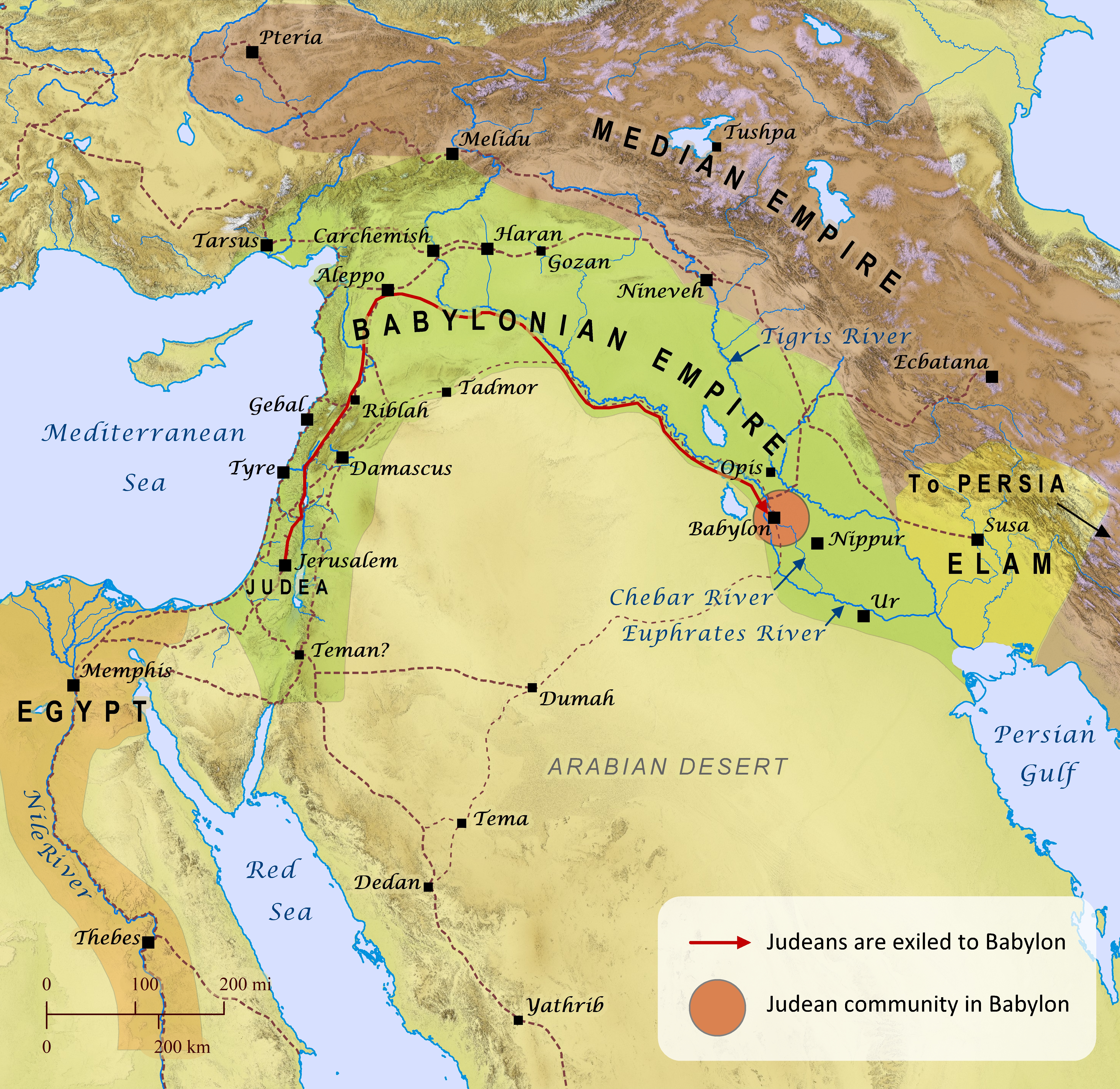
Daniel 1; 2 Kings 24-25; 2 Chronicles 36; Jeremiah 39; 52
One of the most significant events in the story of the Old Testament is the exile of Judah to Babylon in 586 B.C. This event–actually the third in a series of exiles to Babylon (the others occurring in 605 B.C. and 597 B.C.)–precipitated several crises in the nation and in Judaism. The northern kingdom of Israel had already been exiled to Assyria over a century earlier in 722 B.C. (2 Kings 15:29; 17:1-6; 1 Chronicles 5:26; see also “Israelites Are Exiled to Assyria” map), and in some ways that exile was even more devastating. Nevertheless, the Temple of the Lord remained intact in Jerusalem as a place where the faithful could continue to offer their sacrifices. With the destruction of Jerusalem and the Temple of the Lord at the hands of the Babylonians, however, sacrifices could no longer be offered at the Tabernacle or Temple of the Lord (Leviticus 17:2-4; Deuteronomy 12:5-7), and the Lord’s promise to provide a land for his people and a descendant on the throne of David no doubt seemed abandoned. At the same time, however, the Judean exiles were allowed to maintain their religious traditions in Babylon, and many even began to thrive there, including Daniel and his friends, who served at the royal court (Daniel 1; see also “The Land of Exile” map). One of the last kings of Babylon expanded Babylonia further by capturing the desert oases of Dumah, Tema, Dedan, and Yathrib (see “Oases of the Arabian Desert” map), but eventually the Median Empire to the north merged with the Persian Empire to the southeast and conquered the Babylonian Empire. King Cyrus of Persia then decreed that the exiled Judeans, now called “Jews,” could return to their homeland if they desired (2 Chronicles 36:22-23; Ezra 1-2; see also “Jews Return from Exile” map).
Open Bible Data site copyright © 2023–2026 Freely-Given.org.
Python source code for creating these static pages is available on GitHub under an open licence.
For Bible data copyrights, see the details for each displayed Bible version.
The Open English Translation (OET) main site is at OpenEnglishTranslation.Bible or OET.Bible.