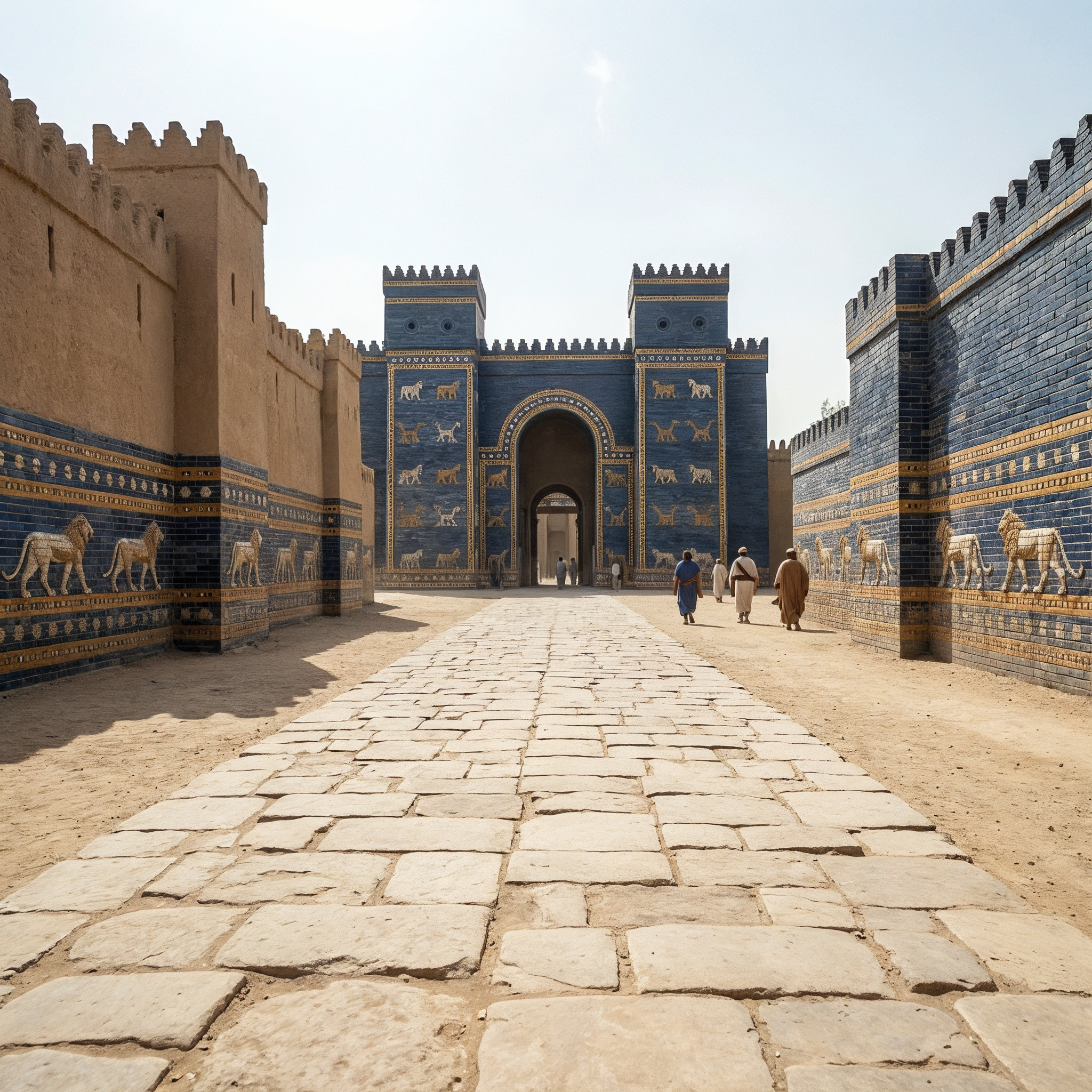
 but Ashpenaz named them Belteshatstsar, Shadrak, Meyshak, and Avednego respectively.
OET OET-RV OET-LV GHT ULT UST BSB MSB BLB AICNT OEB WEBBE WMBB NET LSV FBV TCNT T4T LEB BBE Moff JPS Wymth ASV DRA YLT Drby RV SLT Wbstr KJB-1769 KJB-1611 Bshps Gnva Cvdl TNT Wycl SR-GNT UHB BrLXX BrTr Related Parallel Simple Interlinear Topics Reference Dictionary Search
ParallelVerse GEN EXO LEV NUM DEU JOB JOS JDG RUTH 1 SAM 2 SAM PSA AMOS HOS 1 KI 2 KI 1 CHR 2 CHR PROV ECC SNG JOEL MIC ISA ZEP HAB JER LAM YNA (JNA) NAH OBA DAN EZE EZRA EST NEH HAG ZEC MAL LAO GES LES ESG DNG 2 PS TOB JDT WIS SIR BAR LJE PAZ SUS BEL MAN 1 MAC 2 MAC 3 MAC 4 MAC YHN (JHN) MARK MAT LUKE ACTs YAC (JAM) GAL 1 TH 2 TH 1 COR 2 COR ROM COL PHM EPH PHP 1 TIM TIT 1 PET 2 PET 2 TIM HEB YUD (JUD) 1 YHN (1 JHN) 2 YHN (2 JHN) 3 YHN (3 JHN) REV
Dan Intro C2 C3 C4 C5 C6 C7 C8 C9 C10 C11 C12
Dan 1 V1 V2 V3 V4 V5 V6 V8 V9 V10 V11 V12 V13 V14 V15 V16 V17 V18 V19 V20 V21
Note: This view shows ‘verses’ which are not necessarily natural language units and hence sometimes only part of a sentence will be visible—click on any Bible version abbreviation down the left-hand side to see the verse in more of its context. Normally the OET discourages the reading of individual ‘verses’, but this view is only designed as a tool for Bible-translators and others doing comparisons of different translations—the older translations are further down the page (so you can read up from the bottom to trace the English translation history). The OET segments on this page are still early looks into the drafted texts of the Open English Translation of the Bible—please double-check these texts in advance before using in public.
Text critical issues=small word differences Clarity of original=clear Importance to us=normal Speaker(s)=Narrator (All still tentative.)
OET (OET-RV)
but Ashpenaz named them Belteshatstsar, Shadrak, Meyshak, and Avednego respectively.
OET-LV And_he/it_assigned to/for_them the_chief_of the_officials names and_he/it_assigned to/for_Dāniyyʼēl Bēləţəshaʼʦʦar and_to/for_Hananya Shadrak and_to_Mīshāʼēl Mēyshak and_to/for_Azarya ˊAⱱēd- nəgō.
UHB וַיָּ֧שֶׂם לָהֶ֛ם שַׂ֥ר הַסָּרִיסִ֖ים שֵׁמ֑וֹת וַיָּ֨שֶׂם לְדָֽנִיֵּ֜אל בֵּ֣לְטְשַׁאצַּ֗ר וְלַֽחֲנַנְיָה֙ שַׁדְרַ֔ךְ וּלְמִֽישָׁאֵ֣ל מֵישַׁ֔ךְ וְלַעֲזַרְיָ֖ה עֲבֵ֥ד נְגֽוֹ׃ ‡
(vayyāsem lāhem sar haşşārīşim shēmōt vayyāsem lədāniyyēʼl bēləţəshaʼʦʦar vəlaḩₐnanyāh shadrak ūləmiyshāʼēl mēyshak vəlaˊₐzaryāh ˊₐⱱēd nəgō.)
Key: khaki:verbs.
Note: Automatic aligning of the OET-RV to the LV is done by some temporary software, hence the OET-RV alignments are incomplete (and may occasionally be wrong).
BrLXX (DNG 1:7) Καὶ ἐπέθηκεν αὐτοῖς ὁ ἀρχιευνοῦχος ὀνόματα· τῷ Δανιὴλ Βαλτάσαρ, καὶ τῷ Ἀνανίᾳ Σεδρὰχ, καὶ τῷ Μισαὴλ Μισὰχ, καὶ τῷ Ἀζαρίᾳ Ἀβδεναγώ.
(Kai epethaʸken autois ho arⱪieunouⱪos onomata; tōi Daniaʸl Baltasar, kai tōi Anania Sedraⱪ, kai tōi Misaaʸl Misaⱪ, kai tōi Azaria Abdenagō.)
BrTr (DNG 1:7) And the chief of the eunuchs gave them names: to Daniel, Baltasar; and to Ananias, Sedrach; and to Misael, Misach; and to Azarias, Abdenago.
ULT And the chief of the eunuchs gave names to them. And to Daniel, he gave Belteshazzar; and to Hananiah, Shadrach; and to Mishael, Meshach; and to Azariah, Abednego.
UST The chief official gave them Babylonian names. He called Daniel Belteshazzar. He called Hananiah Shadrach. He called Mishael Meshach. And he called Azariah Abednego.
BSB & MSB The chief official gave them new names: To Daniel he gave the name Belteshazzar; to Hananiah, Shadrach; to Mishael, Meshach; and to Azariah, Abednego.
OEB No OEB DAN 1:7 book available
WEBBE & WMBB The prince of the eunuchs gave names to them: to Daniel he gave the name Belteshazzar; to Hananiah, Shadrach; to Mishael, Meshach; and to Azariah, Abednego.
NET But the overseer of the court officials renamed them. He gave Daniel the name Belteshazzar, Hananiah he named Shadrach, Mishael he named Meshach, and Azariah he named Abednego.
LSV and the chief of the eunuchs sets names on them, and he sets on Daniel, Belteshazzar; and on Hananiah, Shadrach; and on Mishael, Meshach; and on Azariah, Abed-Nego.
FBV The chief eunuch gave them new names: Daniel he called Belteshazzar, Hananiah he called Shadrach, Mishael he called Meshach, and Azariah he called Abednego.
T4T But Ashpenaz gave us Babylonian names. The name he gave to me was Belteshazzar, the name he gave to Hananiah was Shadrach, the name he gave to Mishael was Meshach, and the name he gave to Azariah was Abednego.
LEB And the commander of the court officials gave them names, and he called Daniel, Belteshazzar; and Hananiah, Shadrach; and Mishael, Meshach; and Azariah, Abednego.
BBE And the captain of the unsexed servants gave them names; to Daniel he gave the name of Belteshazzar, to Hananiah the name of Shadrach, to Mishael the name of Meshach, and to Azariah the name of Abed-nego.
Moff These were renamed by the governor of the eunuchs; he called Daniel Belteshazzar, Hananiah Shadrak, Mishael Meshak, and Azariah Abednego.
JPS And the chief of the officers gave names unto them: unto Daniel he gave the name of Belteshazzar; and to Hananiah, of Shadrach; and to Mishael, of Meshach; and to Azariah, of Abed-nego.
ASV And the prince of the eunuchs gave names unto them: unto Daniel he gave the name of Belteshazzar; and to Hananiah, of Shadrach; and to Mishael, of Meshach; and to Azariah, of Abed-nego.
DRA Verse alignment unavailable (ambiguous).
YLT and the chief of the eunuchs setteth names on them, and he setteth on Daniel, Belteshazzar; and on Hananiah, Shadrach; and on Mishael, Meshach; and on Azariah, Abed-Nego.
Drby And the prince of the eunuchs gave them names: to Daniel he gave [the name] Belteshazzar, and to Hananiah, Shadrach, and to Mishael, Meshach, and to Azariah, Abed-nego.
RV And the prince of the eunuchs gave names unto them: unto Daniel he gave the name of Belteshazzar; and to Hananiah, of Shadrach; and to Mishael, of Meshach; and to Azariah, of Abed-nego.
SLT And the chief of the eunuchs will set names to them: to David, Belteshazzar; and to Hananiah, Shadrach; and to Mishael, Meshach; and to Azariah, Abed-Nego.
Wbstr To whom the prince of the eunuchs gave names: for he gave to Daniel the name of Belteshazzar; and to Hananiah, of Shadrach; and to Mishael, of Meshach; and to Azariah, of Abed-nego.
KJB-1769 Unto whom the prince of the eunuchs gave names: for he gave unto Daniel the name of Belteshazzar; and to Hananiah, of Shadrach; and to Mishael, of Meshach; and to Azariah, of Abed-nego.
KJB-1611 Unto whom the Prince of the Eunuches gaue names: for he gaue vnto Daniel the name of Belteshazzar; and to Hananiah, of Shadrach; and to Mishael, of Meshach; and to Azariah of Abednego.
(Unto whom the Prince of the Eunuchs gave names: for he gave unto Daniel the name of Belteshazzar; and to Hananiah, of Shadrach; and to Mishael, of Meshach; and to Azariah of Abednego.)
Bshps Unto these the chiefe chamberlayne gaue other names, and called Daniel, Baltassar: Ananias, Sidrach: Misael, Misach: and Azarias, Abednego.
(Unto these the chief chamberlain gave other names, and called Daniel, Baltassar: Ananias, Sidrach: Misael, Misach: and Azarias, Abednego.)
Gnva Vnto whome the chiefe of the Eunuches gaue other names: for hee called Daniel, Belteshazzar, and Hananiah, Shadrach, and Mishael, Meshach, and Azariah, Abednego.
(Unto whom the chief of the Eunuchs gave other names: for he called Daniel, Belteshazzar, and Hananiah, Shadrach, and Mishael, Meshach, and Azariah, Abednego.)
Cvdl Vnto these the chefe chamberlayne gaue other names, and called Daniel, Balthasar: Ananias, Sydrac: Misael, Misac: and Asarias, Abdenago.
(Unto these the chief chamberlain gave other names, and called Daniel, Balthasar: Ananias, Sydrac: Misael, Misac: and Asarias, Abednego.)
Wycl Verse alignment unavailable (ambiguous).
Luth Und der oberste Kämmerer gab ihnen Namen und nannte Daniel Beltsazar und Hananja Sadrach und Misael Mesach und Asarja Abed-Nego.
(And the/of_the top/highest chamberlain/administrator gave to_them name(s) and called Daniel Belteshazzar and Hananiah Shadrach and Mizzahel Meshach and Azariah Abednego.)
ClVg Verse alignment unavailable (ambiguous).
This section forms the introduction to the first division and to the book of Daniel as a whole. It tells how some Hebrew boys came to live in Babylon and serve the Babylonian king.
God allowed the king of Babylon, Nebuchadnezzar, to defeat the king of Judah. King Nebuchadnezzar ordered his chief official to choose some boys from Judah and to train them to work in the government of Babylon. Daniel and his three friends were among these boys. They excelled in their studies and the king was pleased with the wise advice they gave.
The phrase “the Lord delivered” (“Adonay gave” in Hebrew) occurs in 1:2, the phrase “God had granted” (“Elohim had given” in Hebrew) occurs in 1:9, and the phrase “God gave” (“Elohim gave” in Hebrew) occurs in 1:17. (1:2a, 1:9, 1:17a). The author used these phrases to emphasize that the Lord is sovereign over the events of history and the lives of his people. God has authority over what happens to Gentile nations and also what happens to his people. This is the theme of this chapter.
In this paragraph the author introduces the main characters of this chapter, Daniel and his three friends.
The chief official gave them new names:
The chief of the royal staff changed their names.
The chief of staff, Ashpenaz, gave each of them new/different names.
He gave them all Babylonian names.
The chief official: The Hebrew word that the BSB translates as chief in this verse is different from the word that it translates as chief in 1:3a. However, the meaning is similar, and the title probably refers to the same person (Ashpenaz). See the note on 1:3a. Other ways to translate this include:
the commander of the officials (NASB)
The chief of staff (NLT)
the head of the palace staff
gave them new names: The Hebrew expression that the BSB translates as gave them new names is literally “gave them names.” The four men already had Hebrew names, so the BSB has supplied the word new. You may wish to follow the BSB or say:
gave them Babylonian names (CEV)
gave them other names (NRSV)
To Daniel he gave the name Belteshazzar; to Hananiah, Shadrach;
He changed Daniel’s name to Belteshazzar and Hananiah's name to Shadrach.
He gave Daniel the name Belteshazzar. He gave Hananiah the name Shadrach.
Daniel received the name Belteshazzar, and Hananiah received the name Shadrach.
The Babylonians gave the young men Babylonian names as a symbol of their authority over them. They wanted the Israelites to forget about their land and their God and adopt a new identity as Babylonians. The new names probably referred to Babylonian gods. But the meaning of the new names is not always clear. The Jewish scribes who copied the Hebrew text sometimes changed names that praised pagan gods.
To Daniel he gave the name Belteshazzar: The chief official gave each of the Hebrew captives Babylonian names. The name he gave to Daniel was Belteshazzar. You should distinguish the spelling of Belteshazzar from the similar sounding name “Belshazzar” in Daniel 5. Daniel’s new name means “may Bel protect his life” or “protect the life of the prince.” Bel was the name of one of the Babylonian gods. You may put the meaning of this name in a footnote.
to Hananiah, Shadrach: Hananiah received the Babylonian name of Shadrach. Scholars are uncertain about the meaning of this new name.
to Mishael, Meshach; and to Azariah, Abednego.
He changed Mishael's name to Meshach, and Azariah's name to Abednego.
He gave Mishael the name Meshach, and he gave Azariah the name Abednego.
Mishael received the name Meshach, and Azariah received the name Abednego.
to Mishael, Meshach: Mishael received the Babylonian name of Meshach. The commentators also disagree about the meaning of the name Meshach. Some think that it is connected with the Babylonian god Marduk. You may put this information in a footnote.
and to Azariah, Abednego: The name may mean “servant of Nego” or “servant of the shining one.” Nego was the name of another Babylonian god. You may put this information in a footnote.
Consider how it is natural to indicate that the action of “giving a new name” refers to each of the four young men. In some languages it may be natural to supply a verb for each individual. For example:
7aAnd the chief of the eunuchs gave them names: 7bDaniel he called Belteshazzar, Hananiah he called Shadrach, 7cMishael he called Meshach, and Azariah he called Abednego. (ESV)
Note 1 topic: translate-names
בֵּ֣לְטְשַׁאצַּ֗ר וְלַֽחֲנַנְיָה֙ שַׁדְרַ֔ךְ וּלְמִֽישָׁאֵ֣ל מֵישַׁ֔ךְ וְלַעֲזַרְיָ֖ה עֲבֵ֥ד נְגֽוֹ
Beltesatstsar and=to/for=Hananya Shadrak and,to,Mishael Meshak and=to/for=Azarya Aved Nəgō
The words Belteshazzar, Shadrach, Meshach, and Abednego are the Babylonian names of these young men.
Note 2 topic: figures-of-speech / ellipsis
וְלַֽחֲנַנְיָה֙ שַׁדְרַ֔ךְ וּלְמִֽישָׁאֵ֣ל מֵישַׁ֔ךְ וְלַעֲזַרְיָ֖ה עֲבֵ֥ד נְגֽוֹ
and=to/for=Hananya Shadrak and,to,Mishael Meshak and=to/for=Azarya Aved Nəgō
The author is leaving out some of the words that in many languages a sentence would need in order to be complete. You can supply these words from the context if that would be clearer in your language. Alternate translation: [and to Hananiah, he gave the name Shadrach; and to Mishael, he gave the name Meshach; and to Azariah, he gave the name Abednego]
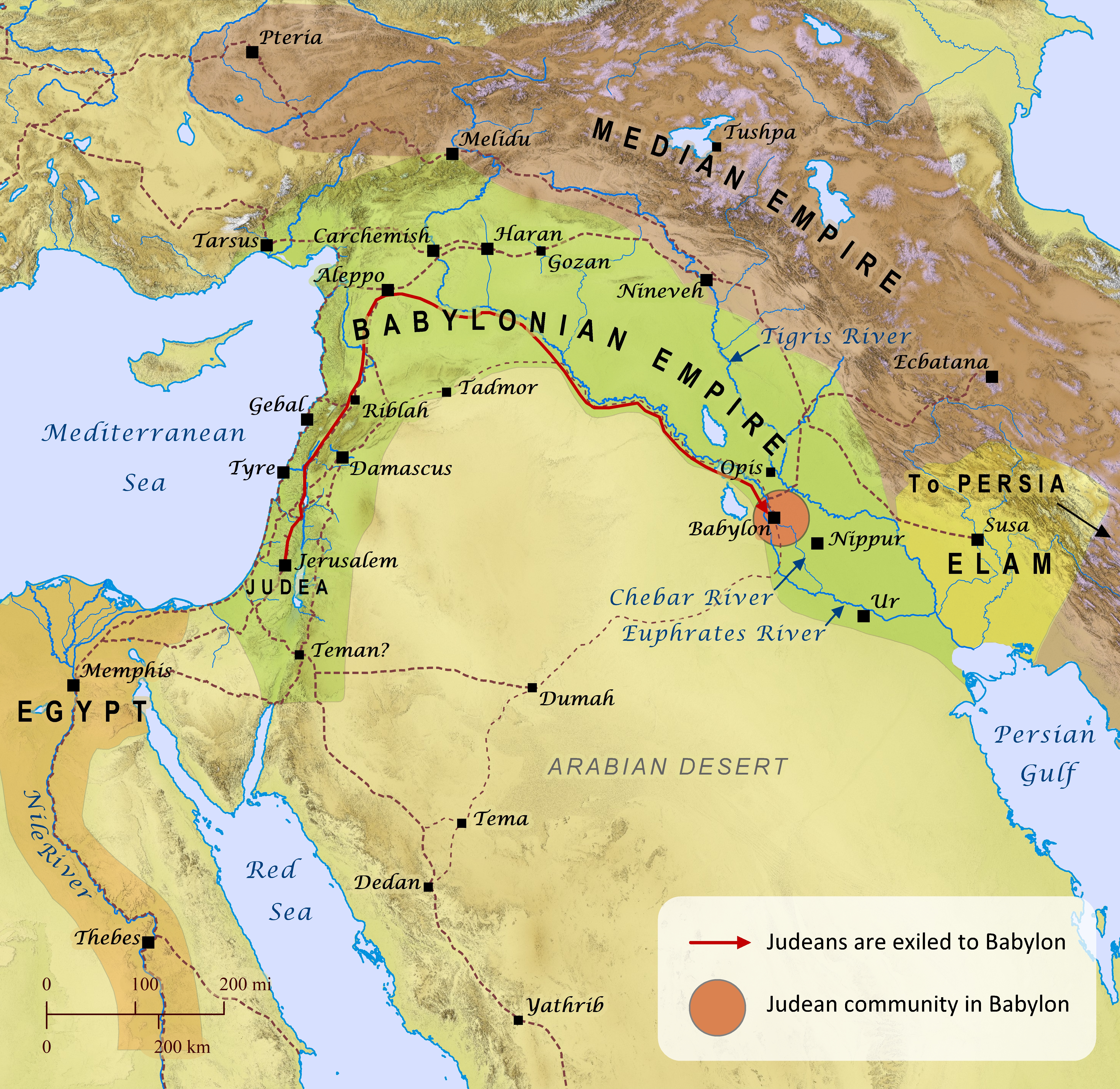
Daniel 1; 2 Kings 24-25; 2 Chronicles 36; Jeremiah 39; 52
One of the most significant events in the story of the Old Testament is the exile of Judah to Babylon in 586 B.C. This event–actually the third in a series of exiles to Babylon (the others occurring in 605 B.C. and 597 B.C.)–precipitated several crises in the nation and in Judaism. The northern kingdom of Israel had already been exiled to Assyria over a century earlier in 722 B.C. (2 Kings 15:29; 17:1-6; 1 Chronicles 5:26; see also “Israelites Are Exiled to Assyria” map), and in some ways that exile was even more devastating. Nevertheless, the Temple of the Lord remained intact in Jerusalem as a place where the faithful could continue to offer their sacrifices. With the destruction of Jerusalem and the Temple of the Lord at the hands of the Babylonians, however, sacrifices could no longer be offered at the Tabernacle or Temple of the Lord (Leviticus 17:2-4; Deuteronomy 12:5-7), and the Lord’s promise to provide a land for his people and a descendant on the throne of David no doubt seemed abandoned. At the same time, however, the Judean exiles were allowed to maintain their religious traditions in Babylon, and many even began to thrive there, including Daniel and his friends, who served at the royal court (Daniel 1; see also “The Land of Exile” map). One of the last kings of Babylon expanded Babylonia further by capturing the desert oases of Dumah, Tema, Dedan, and Yathrib (see “Oases of the Arabian Desert” map), but eventually the Median Empire to the north merged with the Persian Empire to the southeast and conquered the Babylonian Empire. King Cyrus of Persia then decreed that the exiled Judeans, now called “Jews,” could return to their homeland if they desired (2 Chronicles 36:22-23; Ezra 1-2; see also “Jews Return from Exile” map).
Open Bible Data site copyright © 2023–2026 Freely-Given.org.
Python source code for creating these static pages is available on GitHub under an open licence.
For Bible data copyrights, see the details for each displayed Bible version.
The Open English Translation (OET) main site is at OpenEnglishTranslation.Bible or OET.Bible.