Note: This view shows ‘verses’ which are not necessarily natural language units and hence sometimes only part of a sentence will be visible—click on any Bible version abbreviation down the left-hand side to see the verse in more of its context. Normally the OET discourages the reading of individual ‘verses’, but this view is only designed as a tool for Bible-translators and others doing comparisons of different translations—the older translations are further down the page (so you can read up from the bottom to trace the English translation history). The OET segments on this page are still early looks into the drafted texts of the Open English Translation of the Bible—please double-check these texts in advance before using in public.
ULT And that the king saw a watcher and a holy one coming down from the heavens and saying, ‘Cut down the tree and destroy it, but leave the stump of its roots in the earth, and with a band of iron and bronze, in the grass of the field, and let it be wet with the dew of the heavens, and let its portion be with the beast of the field until that seven times pass over him,’
UST But in your dream, you saw a holy angel coming down from heaven. That angel said, ‘Cut down that tree so that it does not keep growing! But leave the stump of the tree with its roots in the ground where grass grows. Fasten a band of iron and bronze around the stump to protect it from splitting. Let the dew that forms from the air keep it damp. Make the person whom that tree represents eat what wild animals do for seven years.’
BSB & MSB And you, O king, saw a watcher, a holy one, coming down from heaven and saying:
⇔ ‘Cut down the tree and destroy it,
⇔ but leave the stump with its roots in the ground,
⇔ with a band of iron and bronze [around it],
⇔ in the tender grass of the field.
⇔ Let him be drenched with the dew of heaven,
⇔ and graze with the beasts of the field
⇔ till seven times pass him by.’
OEB No OEB DAN 4:23 book available
WEBBE & WMBB “Whereas the king saw a holy watcher coming down from the sky and saying, ‘Cut down the tree, and destroy it; nevertheless leave the stump of its roots in the earth, even with a band of iron and bronze, in the tender grass of the field, and let it be wet with the dew of the sky. Let his portion be with the animals of the field, until seven times pass over him.’
NET As for the king seeing a holy sentinel coming down from heaven and saying, ‘Chop down the tree and destroy it, but leave its taproot in the ground, with a band of iron and bronze around it, surrounded by the grass of the field. Let it become damp with the dew of the sky, and let it live with the wild animals, until seven periods of time go by for him’ –
LSV and that which the king has seen—a sifter, even a holy one, coming down from the heavens, and he has said, Cut down the tree, and destroy it; but the stump of its roots leave in the earth, even with a band of iron and bronze, in the tender grass of the field, and with the dew of the heavens it is wet, and with the beast of the field [is] his portion, until seven times pass over him.
FBV Then Your Majesty saw a watcher, a holy one, coming down from heaven who said, ‘Cut down the tree and destroy it, but leave the stump and its roots in the ground, and bind it with iron and bronze, surrounded by the new grass of the field. Let him become soaked with the dew of heaven and let him live with the animals outside in the undergrowth. Let his mind become like that of an animal. Let him be like this for seven times.’
T4T Then you saw a holy angel coming down from heaven. That angel said, ‘Cut down the tree, and cut off its branches! Strip/Shake off all of its leaves, and scatter its fruit. But leave the stump of the tree and its roots in the ground. Fasten a band of iron and bronze around the stump and allow it to stay there with grass around it. Each morning cause the dew from the sky to make this man, who was represented by the tree, damp. Cause him to live in the fields with the animals for seven years.’
LEB And inasmuch that the king saw the watcher, a holy one coming down from heaven[fn] and he said, “Cut down the tree and destroy it, but the stump of its root in the earth leave with a band of iron and bronze in the grass of the field, and let it be watered with the dew of heaven and let his lot be with the animals of the field ⌊until seven times have passed over him⌋.”[fn]
BBE And as for the vision which the king saw of a watcher, a holy one, coming down from heaven, saying, Let the tree be cut down and given to destruction;
Moff end. The king saw one of the angel-guard coming down from heaven and saying, “Hew the tree down and destroy it, but leave the stump of its roots in the earth, among the soft grass of the field, with a band of iron and bronze round it, let the dews of heaven drench it—and let him share the food of animals, till seven years pass over him”?
JPS (DAN 4:20) (4-17) The tree that thou sawest, which grew, and was strong, whose height reached unto the heaven, and the sight thereof to all the earth;
ASV And whereas the king saw a watcher and a holy one coming down from heaven, and saying, Hew down the tree, and destroy it; nevertheless leave the stump of the roots thereof in the earth, even with a band of iron and brass, in the tender grass of the field, and let it be wet with the dew of heaven: and let his portion be with the beasts of the field, till seven times pass over him;
DRA Verse alignment unavailable (ambiguous).
YLT and that which the king hath seen — a sifter, even a holy one, coming down from the heavens, and he hath said, Cut down the tree, and destroy it; but the stump of its roots leave in the earth, even with a band of iron and brass, in the tender grass of the field, and with the dew of the heavens it is wet, and with the beast of the field [is] his portion, till that seven times pass over him.
Drby And whereas the king saw a watcher and a holy one coming down from the heavens, and saying, Hew the tree down, and destroy it; nevertheless leave the stump of its roots in the earth, even with a band of iron and brass, in the tender grass of the field; and let it be bathed with the dew of heaven, and let his portion be with the beasts of the field, till seven times pass over him:
RV And whereas the king saw a watcher and an holy one coming down from heaven, and saying, Hew down the tree, and destroy it; nevertheless leave the stump of the roots thereof in the earth, even with a band of iron and brass, in the tender grass of the field; and let it be wet with the dew of heaven, and let his portion be with the beasts of the field, till seven times pass over him;
(And whereas the king saw a watcher and an holy one coming down from heaven, and saying, Hew down the tree, and destroy it; nevertheless leave the stump of the roots thereof in the earth, even with a band of iron and brass, in the tender grass of the field; and let it be wet with the dew of heaven, and let his portion be with the beasts/animals of the field, till seven times pass over him;)
SLT And that the king saw a watcher and a holy one came down from the heavens, and said, Hew down the tree and destroy it; but leave the stump of its roots in the earth, and with a band of iron and brass in the tender grass of the open field; and with the dew of the heavens it shall be wet, and with the beasts of the open field its portion, even till seven times shall pass over him;
Wbstr And whereas the king saw a watcher and a holy one coming down from heaven, and saying, Hew the tree down, and destroy it; yet leave the stump of its roots in the earth, even with a band of iron and brass, in the tender grass of the field; and let it be wet with the dew of heaven, and let its portion be with the beasts of the field, till seven times shall pass over him;
KJB-1769 And whereas the king saw a watcher and an holy one coming down from heaven, and saying, Hew the tree down, and destroy it; yet leave the stump of the roots thereof in the earth, even with a band of iron and brass, in the tender grass of the field; and let it be wet with the dew of heaven, and let his portion be with the beasts of the field, till seven times pass over him;
(And whereas the king saw a watcher and an holy one coming down from heaven, and saying, Hew the tree down, and destroy it; yet leave the stump of the roots thereof in the earth, even with a band of iron and brass, in the tender grass of the field; and let it be wet with the dew of heaven, and let his portion be with the beasts/animals of the field, till seven times pass over him;)
KJB-1611 And whereas the King saw a watcher, and an holy one comming downe from heauen, and saying, Hew the tree downe, and destroy it, yet leaue the stumpe of the rootes thereof in the earth, euen with a band of yron and brasse in the tender grasse of the field, and let it be wet with the dewe of heauen, and let his portion be with the beasts of the field, till seuen times passe ouer him:
(Modernised spelling is same as from KJB-1769 above, apart from capitalisation and punctuation)
Bshps But wheras the king saw a watcher, and a holy one that came downe from heauen, and sayd, Hewe downe the tree, & destroy it, yet leaue the stumpe of the rootes therof in the earth, and with a band of iron & brasse binde it among the grasse of the fielde, & let it be wet with the dewe of the heauen, and let his portion be with the beastes of the fielde, till seuen times passe ouer him:
(But whereas the king saw a watcher, and a holy one that came down from heaven, and said, Hew/chop down the tree, and destroy it, yet leave the stump of the roots thereof in the earth, and with a band of iron and brass bind it among the grass of the field, and let it be wet with the dew of the heaven, and let his portion be with the beasts/animals of the field, till seven times pass over him:)
Gnva Where as they sayd, that one should leaue the stumpe of the tree rootes, thy kingdome shall remaine vnto thee: after that, thou shalt knowe, that the heauens haue the rule.
(Where as they said, that one should leave the stump of the tree roots, thy/your kingdom shall remain unto thee/you: after that, thou/you shalt/shall know, that the heavens have the rule.)
Cvdl But where as the kynge sawe a watcher euen an holy angel, that came downe from heauen, and sayde: hew downe the tre, and destroye it: yet leaue the groun of the rote in the earth, and bynde him vpon the playne felde with cheynes off yron and stele: He shall be wet with the dew off heauen, and his parte shalbe with the beestes of the felde, till seuen yeares be come and gone vpon him:
(But where as the king saw a watcher even an holy angel, that came down from heaven, and said: hew down the tree, and destroy it: yet leave the ground of the root in the earth, and bind him upon the plain field with chains off iron and stele: He shall be wet with the dew off heaven, and his part shall be with the beasts/animals of the field, till seven years be come and gone upon him:)
Wycl Verse alignment unavailable (ambiguous).
Luth (DAN 4:20) Daß aber der König einen heiligen Wächter gesehen hat vom Himmel herabfahren und sagen: Hauet den Baum um und verderbet ihn, doch den Stock mit seinen Wurzeln laßt in der Erde bleiben; er aber soll in eisernen und ehernen Ketten auf dem Felde im Grase gehen und unter dem Tau des Himmels liegen und naß werden und sich mit den Tieren auf dem Felde weiden, bis über ihm sieben Zeiten um sind:
(That but the/of_the king a holy watchman/keeper seen has from_the heaven descend and say: Hew/strike the tree around/by/for and corrupted him/it, though/but the Stock with his roots(n) let in the/of_the earth/land/ground remain/stay; he but should in iron and brazen chains on/in/to to_him field in_the grass go and under to_him dew the heavens lie/lay and wet become and itself/yourself/themselves with the animals on/in/to to_him field graze, until above him seven times/periods around/by/for are:)
ClVg Verse alignment unavailable (ambiguous).
SOTN SIL Open Translator’s Notes:
Section 4:1–37: God judged King Nebuchadnezzar
The author of Daniel 4 wrote in the Aramaic language. These Notes are based on the BSB, which is based on the Aramaic text called the MT (Masoretic Text). However, the early Greek translation known as the Septuagint is different from the Aramaic text in many places in Daniel 4. Scholars are uncertain why the two are so different. It may be that the Greek translators worked from an Aramaic text that was different from that of the MT. The Notes will discuss the differences between the two texts for certain important passages.
The verse numbers of the BSB and most English versions are different from the verse numbers in the Aramaic text. The NJPS and NJB are two exceptions. They follow the verse numbers in the Aramaic text.Baldwin (p. 107) notes that the chapter divisions in the present Aramaic text were not necessarily those of the original text. The difference in numbering can cause confusion when citing verses in different translations. For example, Daniel 4:1 in the BSB is 3:31 in the NJPS and NJB. Daniel 4:4 is 4:1 in the NJB and NJPS, and so on. When these Notes cite verses in the NJPS and the NJB, they will give both the verse numbers in those versions and the corresponding BSB verse numbers.
Versions give different headings to Daniel 4. For example:
Nebuchadnezzar’s second dream (NRSV)
Nebuchadnezzar’s dream about a tree (NLT)
A letter from Nebuchadnezzar about his insanity (GW)
In some languages it may be more natural that the heading be a full sentence. For example:
Nebuchadnezzar dreamed a second dream
Nebuchadnezzar dreamed about a tree
Nebuchadnezzar wrote a letter about how he became insane
Special Problems:
1. Change of Speaker: In Daniel 4, the person who tells the story varies between the king and the narrator. For example:
A. In 4:1–18 the king told what happened to him in the first person.
B. In 4:19–27 the narrator told the story of how Daniel interpreted the king’s dream.
C. In 4:28–33 the narrator told what happened to Nebuchadnezzar.
D. In 4:34–37 the king again spoke directly in the first person.
The Notes will inform you when there is a change of speaker and suggest how to translate these passages.
2. Repetition: When Daniel interpreted the king’s dream (4:19–27), he repeated parts of what the king had previously told him (in 4:10–16). Later, when the narrator told what happened to the king (4:28–33), he repeated what Daniel had said would happen (in 4:25). This kind of repetition creates suspense in the story. Repetition also helps to emphasize the main theme of the account. For example, at the end of the account, the king repeated information from the beginning (4:3, 34). This information is the theme of the chapter: God is sovereign over human rulers.
3. Synonyms: The author liked to use synonyms, different words with the same or similar meaning. In some cases, he used synonyms to emphasize an idea. For example, in 4:37 the king used three synonyms in the same sentence to emphasize the idea of praise. In some languages this may not be natural. The Notes will suggest other ways you can translate synonyms.
4. Commands: In the dream, the angel made a number of commands. The text does not usually say to whom the angel was giving these commands. Sometimes the angel commanded non-living objects to do something. In all these cases, the angel was speaking a message from God. And when God commands that something happen, it will certainly happen. In some languages it may not be natural to use commands in this way. If that is true in your language, you may be able to translate these commands as authoritative declarations. The Notes will give examples of how you may do this.
5. Poetic Parallelism: The author of Daniel 4 liked to use poetic form to communicate ideas. In Aramaic poetry, authors often used pairs of clauses to say the same thing in two different ways. This type of poetry has many different functions. Sometimes the author used poetry to emphasize themes. Other times he used poetry to mark the climax of a section. This kind of poetry may not be natural in your language. The Notes will describe the function of the poetic speech in Daniel. They will also suggest some options on how you might translate this type of poetry in your own language.
6. Form: The author wrote Daniel 4 in the form of a royal proclamation. This proclamation form gives authority to the account. The style of the proclamation is similar to that of a letter, and the beginning of the chapter is similar to other Aramaic letters. The king first identifies himself. Second, he indicates to whom he is writing, that is, those he intends to read his letter. Third, he greets his readers. In your language, people may have a different way of identifying the author or addressee of a letter. The Notes will suggest some options on how to translate this letter style.
7. Key Terms: Two key terms in Daniel 4 are “earth” and “heaven.” Both words have more than one meaning. The Aramaic word that the BSB generally translates as “earth” can mean either “ground,” “land,” or “world.” The Aramaic word that the BSB generally translates as “heaven” can mean either “sky” or “where God lives.” In 4:26 the author used the word “Heaven” to refer to God himself. The author plays on these two words and their meanings to highlight the main theme of the chapter: “God in heaven rules over the affairs of men on earth.” The Notes will explain the meaning of these two key terms in each context.
Paragraph 4:19–23
In this paragraph Daniel began to interpret the king’s dream.
4:23a
And you, O king, saw a watcher, a holy one, coming down from heaven
¶ “And then Your Majesty, you saw a watcher, an angel, who was coming down from heaven.
¶ “In the dream, my king, you also saw one of the holy angels coming down from God in heaven. He was alert and watchful.
And you, O king, saw a watcher, a holy one, coming down from heaven: Daniel began to interpret the second part of the king’s dream (see 4:13). In the Aramaic text this verse part is connected to the previous verse with a word that the BSB translates as And. This introduces the topic of this verse. Other ways to begin this verse include:
So next Your Majesty saw one of God’s messengers
As for the king seeing a holy sentinel coming down from heaven (NET)
Then you saw a holy angel come down from heaven (CEV)
Introduce this second part of the dream in a way that is natural in your language. For example:
In the dream you also saw…
And you, O king, saw: See the Notes at 4:13a. In the Aramaic text Daniel addressed the king in the third person: “the king saw.” If this is not natural in your language you may use the second person. For example:
Also, your majesty, you saw (REB)
O king, you saw (NCV)
You saw (GW)
a watcher, a holy one: See the Notes on these two phrases at 4:13b.
As in 4:13b, the two expressions refer to the same being. If this is not clear, you may wish to combine them into one expression. For example:
an angel (GNT)
a holy angel (CEV)
coming down from heaven: In his dream the king saw the angel descending from the sky. This was where he understood God to have his dwelling. The angel was coming from God. See the Notes at 4:13c, and translate here as you did there.
4:23b
and saying: ‘Cut down the tree and destroy it,
He commanded, ‘Cut down(plur) the tree and destroy it!
He declared, ‘The tree must be cut down and destroyed.
and saying: Daniel then quoted what the angel had said in the king’s dream. Translate in a way that is natural in your language for introducing a quotation within a quotation. You may wish to begin a new sentence here. For example:
He said (GW)
He commanded that…
See the General Comment on 4:23.
Cut down the tree: See the Notes at 4:14a. Translate in a way that clearly refers back to that command.
and destroy it: In Daniel 4:14a–b the holy one gave specific commands: “chop off its branches,” “strip off its leaves,” and “scatter its fruit.” Here Daniel summarized what the watcher had said in one short command. In some languages it may emphasize the idea if it is translated as a separate sentence. For example:
Destroy it! (GW)
destroy: The Aramaic word that the BSB translates as destroy is a general word that can refer to ruining buildings, kingdoms, or people. Try to use an expression that can refer to ruining or destroying both trees and people.
4:23c
but leave the stump with its roots in the ground, and a band of iron and bronze around it, in the tender grass of the field.
Leave(plur) the stump in the field of grass. Fasten it with a band made of iron and bronze. Leave(plur) its roots there in the ground.
The stump must be bound with an iron and bronze chain and left in the grassy meadow/field. The tree roots can stay there in the earth/soil.
but leave the stump with its roots in the ground, and a band of iron and bronze around it, in the tender grass of the field: See the Notes at 4:15a–b In the Aramaic and the BSB there is no sentence break here but you may wish to translate this as a separate sentence or sentences. For example:
But leave the stump and its roots in the ground. Secure it with an iron and bronze chain in the grass of the field. (GW)
4:23d
Let him be drenched with the dew of heaven,
Let him be drenched with the dew of heaven: The BSB has changed here from using the pronoun it/its to using the pronoun him. The dream begins to refer to the king rather than to the tree. The Aramaic text does not make the change clear; it is gradual. Several English versions make the change at this point. For example:
and let him be wet with the dew of heaven (RSV)
Some versions continue with to use the pronoun “it/its” in this verse part. For example:
Let it get wet with the dew from the sky. (GW)
Let it become damp with the dew of the sky. (NET)
let it be drenched by the dew (NJB)
Consider where it is most natural to make the change. You may wish to follow your national or major-language version here.
The verb Let…be drenched is a passive command. See the Notes at 4:15c and see how you translated it there. There are several ways to translate it:
4:23e
and graze with the beasts of the field
and graze with the beasts of the field: See the Notes at 4:15d. At this point the angel seems to be speaking of a human rather than a tree. This person was to live outdoors, in the “tender grass of the field,” like an animal. It may be helpful to follow the GNT and make the location explicit:
let him live there with the animals (GNT)
the beasts of the field: The same Aramaic word for animals is used as in 4:15d, but here there is also the phrase of the field. See how you translated the word there.
4:23f
till seven times pass him by.’
till seven times pass him by: See the Notes at 4:16c. Follow the same interpretation here as you did there. For example:
for seven time periods (GW)
General Comment on 4:23
This verse part contains an embedded quotation. Daniel reported what the holy one had said in the king’s dream. In some languages it may be natural to translate this embedded quotation using indirect speech. For example:
The holy one said that the tree must be cut down and destroyed. Its stump however, was to remain in the ground, bound with iron and bronze. The dew, he said, must make him wet. He was to live with the wild animals for seven time periods.
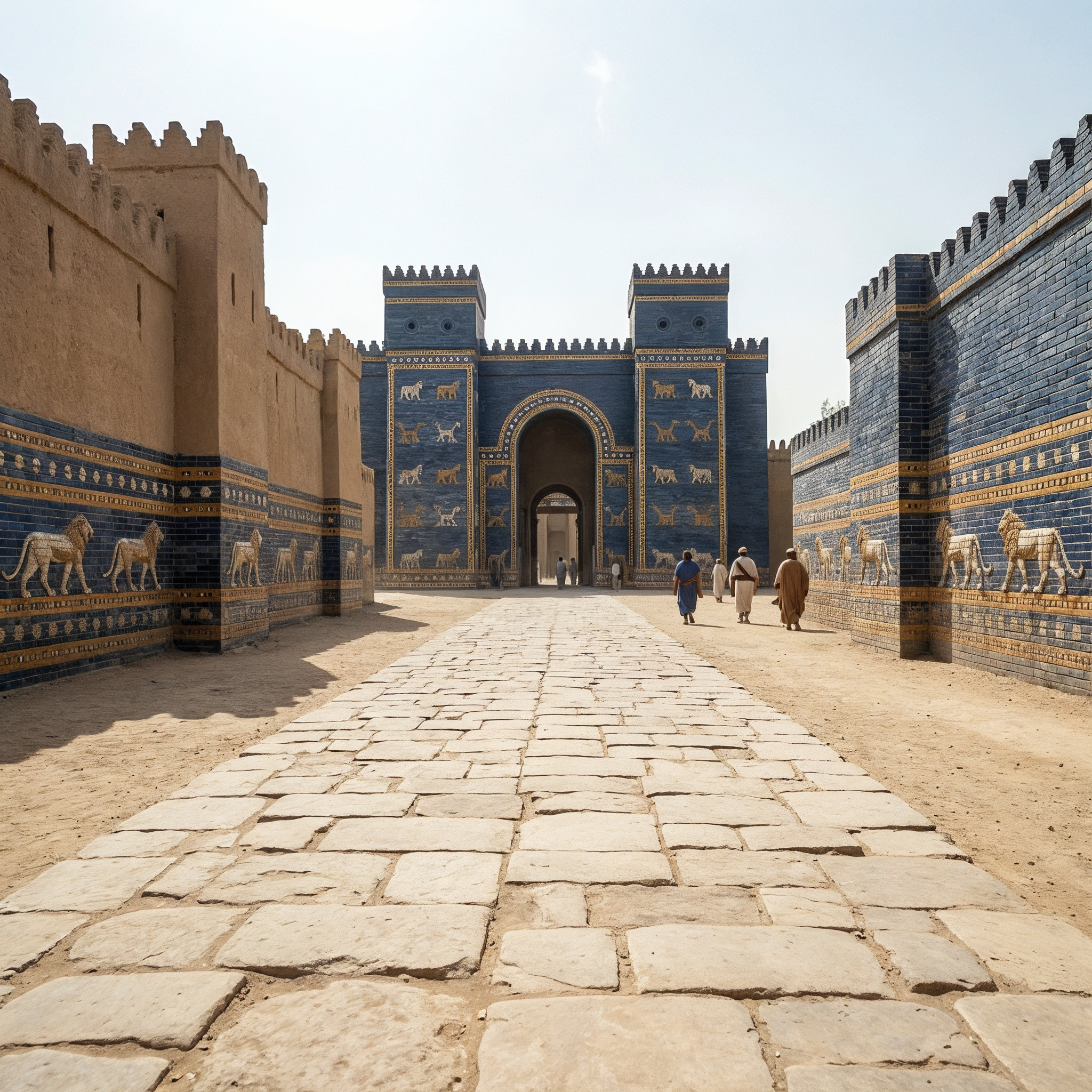 Then the king saw a holy sentinel coming down from heaven and saying, ‘Chop down the tree and destroy it, but leave the stump and the roots in the ground, bound with a band of iron and bronze, in the tender grass of the countryside, and let him be wet with the dew, and let him live with the animals of the fields until seven periods of time pass over him.’