Note: This view shows ‘verses’ which are not necessarily natural language units and hence sometimes only part of a sentence will be visible—click on any Bible version abbreviation down the left-hand side to see the verse in more of its context. Normally the OET discourages the reading of individual ‘verses’, but this view is only designed as a tool for Bible-translators and others doing comparisons of different translations—the older translations are further down the page (so you can read up from the bottom to trace the English translation history). The OET segments on this page are still early looks into the drafted texts of the Open English Translation of the Bible—please double-check these texts in advance before using in public.
ULT that they will be driving you from man, and your dwelling will be with the beast of the field. And they will feed you grass like oxen, and they will be wetting you with the dew of the heavens. And seven times will pass over you until that you know that the Most High, is ruler over the kingdom of man and to whom that he wishes, he gives it.
UST You will no longer have a human mind, and so you will no longer live among people. Instead, you will live with wild animals. This will require you to eat grass as oxen do. The dew that forms from the air will make your body damp. You will live that way for seven years, until you recognize that the Supreme God rules over human kingdoms. He chooses who will be their kings.
BSB & MSB You will be driven away from mankind, and your dwelling will be with the beasts of the field. You will feed on grass like an ox and be drenched with the dew of heaven, and seven times shall pass you by, until you acknowledge that the Most High rules over the kingdom of mankind and gives it to whom He wishes.
OEB No OEB DAN book available
WEBBE & WMBB You will be driven from men and your dwelling shall be with the animals of the field. You will be made to eat grass as oxen, and will be wet with the dew of the sky, and seven times shall pass over you, until you know that the Most High rules in the kingdom of men, and gives it to whomever he will.
NET You will be driven from human society, and you will live with the wild animals. You will be fed grass like oxen, and you will become damp with the dew of the sky. Seven periods of time will pass by for you, before you understand that the Most High is ruler over human kingdoms and gives them to whomever he wishes.
LSV and they are driving you away from men, and your dwelling is with the beast of the field, and they cause you to eat the herb as oxen, and they are wetting you by the dew of the heavens, and pass over you seven times, until you know that the Most High is ruler in the kingdom of men, and to whom He wills He gives it.
FBV You will be driven away from human society and you will live with the wild animals. You will eat grass like the cattle, and you will be soaked with the dew of heaven. You will be like this for seven times until you acknowledge that the Most High rules over human kingdoms, and that he gives them to those he chooses.
T4T Your advisors will force you to live away from other people. You will live in the fields with the wild animals. You will eat grass like cows do, and dew from the sky will cause your body to be damp/wet every morning. You will live that way for seven years, until you learn that it is the Supreme God who rules over the kingdoms of the world, and he appoints the ones whom he chooses to rule them.
LEB you will be driven away ⌊from human society⌋[fn] and ⌊you will dwell⌋[fn] with the animals[fn] of the field, and you will be caused to graze grass like the oxen ⌊yourself⌋,[fn] and you will be watered with the dew of heaven, and seven periods of time will pass over you until that you have acknowledged that the Most High is sovereign over the kingdom of humankind, and ⌊to whom he wills⌋[fn] he gives it.
BBE That they will send you out from among men, to be with the beasts of the field; they will give you grass for your food like the oxen, and you will be wet with the dew of heaven, and seven times will go by you, till you are certain that the Most High is ruler in the kingdom of men, and gives it to any man at his pleasure.
Moff you shall be driven away from human beings to dwell with the wild animals, you shall be forced to eat grass like cattle, you shall be drenched with the dews of heaven, and seven years shall pass over you, till you learn that the Most High reigns over the realm of men and gives it to any-
JPS (4-22) that thou shalt be driven from men, and thy dwelling shall be with the beasts of the field, and thou shalt be made to eat grass as oxen, and shalt be wet with the dew of heaven, and seven times shall pass over thee; till thou know that the Most High ruleth in the kingdom of men, and giveth it to whomsoever He will.
ASV that thou shalt be driven from men, and thy dwelling shall be with the beasts of the field, and thou shalt be made to eat grass as oxen, and shalt be wet with the dew of heaven, and seven times shall pass over thee; till thou know that the Most High ruleth in the kingdom of men, and giveth it to whomsoever he will.
DRA All these things came upon king Nabuchodonosor.
YLT and they are driving thee away from men, and with the beast of the field is thy dwelling, and the herb as oxen they do cause thee to eat, and by the dew of the heavens they are wetting thee, and seven times do pass over thee, till that thou knowest that the Most High is ruler in the kingdom of men, and to whom He willeth He giveth it.
Drby They shall drive thee from men, and thy dwelling shall be with the beasts of the field, and they shall make thee to eat grass as oxen, and thou shalt be bathed with the dew of heaven; and seven times shall pass over thee, till thou know that the Most High ruleth over the kingdom of men, and giveth it to whomsoever he will.
RV that thou shalt be driven from men, and thy dwelling shall be with the beasts of the field, and thou shalt be made to eat grass as oxen, and shalt be wet with the dew of heaven, and seven times shall pass over thee; till thou know that the Most High ruleth in the kingdom of men, and giveth it to whomsoever he will.
(that thou/you shalt/shall be driven from men, and thy/your dwelling shall be with the beasts/animals of the field, and thou/you shalt/shall be made to eat grass as oxes, and shalt/shall be wet with the dew of heaven, and seven times shall pass over thee/you; till thou/you know that the Most High rules in the kingdom of men, and giveth/gives it to whomsoever he will.)
SLT And for thee driving from men, and with the beasts of the open field to be thy dwelling, and they shall feed to thee grass as oxen, and wetting to thee from the dew of the heavens, and seven times shall pass over thee till that thou shalt know that the Most High rules in the kingdom of men, and to whom that he will, he will give it.
Wbstr That they shall drive thee from men, and thy dwelling shall be with the beasts of the field, and they shall make thee to eat grass as oxen, and they shall wet thee with the dew of heaven, and seven times shall pass over thee, till thou shalt know that the most High ruleth in the kingdom of men, and giveth it to whomsoever he will.
KJB-1769 That they shall drive thee from men, and thy dwelling shall be with the beasts of the field, and they shall make thee to eat grass as oxen, and they shall wet thee with the dew of heaven, and seven times shall pass over thee, till thou know that the most High ruleth in the kingdom of men, and giveth it to whomsoever he will.
(That they shall drive thee/you from men, and thy/your dwelling shall be with the beasts/animals of the field, and they shall make thee/you to eat grass as oxes, and they shall wet thee/you with the dew of heaven, and seven times shall pass over thee/you, till thou/you know that the most High rules in the kingdom of men, and giveth/gives it to whomsoever he will.)
KJB-1611 That they shall driue thee from men, and thy dwelling shall be with the beasts of the field, and they shall make thee to eate grasse as oxen, and they shall wet thee with the dew of heauen, and seuen times shall passe ouer thee, till thou know that the most high ruleth in the kingdome of men, and giueth it to whomsoeuer he will.
(Modernised spelling is same as from KJB-1769 above, apart from capitalisation)
Bshps Thou shalt be cast out from men, and thy dwelling shalbe with the beastes of the fielde: with grasse shalt thou be fed like oxen, thou must be wet with the deawe of the heauen, yea seue times shall passe ouer thee, till thou knowe that the hyghest hath power ouer the kingdome of men, & geueth it to whom he list.
(Thou/You shalt/shall be cast out from men, and thy/your dwelling shall be with the beasts/animals of the field: with grass shalt/shall thou/you be fed like oxes, thou/you must be wet with the dew of the heaven, yea seven times shall pass over thee/you, till thou/you know that the highest hath/has power over the kingdom of men, and giveth/gives it to whom he list.)
Gnva All these things shall come vpon the King Nebuchad-nezzar.
(All these things shall come upon the King Nebuchad-nezzar.)
Cvdl Thou shalt be cast out fro men, and thy dwellinge shalbe with the beestes of the felde: with grasse shalt thou be fed like an oxe. Thou must be wet with the dew of the heauen: yee seuen yeares shall come and go vpon the, till thou knowe, that the hyest hath power vpon the kyngdomes of men, & geueth them, to whom he lyst.
(Thou/You shalt/shall be cast out from men, and thy/your dwelling shall be with the beasts/animals of the field: with grass shalt/shall thou/you be fed like an oxe. Thou/You must be wet with the dew of the heaven: ye/you_all seven years shall come and go upon them, till thou/you know, that the highest hath/has power upon the kingdoms of men, and giveth/gives them, to whom he lyst.)
Wycl Alle these thingis camen on Nabugodonosor, the kyng.
(All these things came on Nebuchadnezzar, the king.)
Luth Dies alles widerfuhr dem Könige Nebukadnezar.
(This/These all/everything happened to_him king(s) Nebuchadnezzar.)
ClVg Omnia hæc venerunt super Nabuchodonosor regem.
(Everything these_things they_came over Nabuchodonosor the_king.)
SOTN SIL Open Translator’s Notes:
Section 4:1–37: God judged King Nebuchadnezzar
The author of Daniel 4 wrote in the Aramaic language. These Notes are based on the BSB, which is based on the Aramaic text called the MT (Masoretic Text). However, the early Greek translation known as the Septuagint is different from the Aramaic text in many places in Daniel 4. Scholars are uncertain why the two are so different. It may be that the Greek translators worked from an Aramaic text that was different from that of the MT. The Notes will discuss the differences between the two texts for certain important passages.
The verse numbers of the BSB and most English versions are different from the verse numbers in the Aramaic text. The NJPS and NJB are two exceptions. They follow the verse numbers in the Aramaic text.Baldwin (p. 107) notes that the chapter divisions in the present Aramaic text were not necessarily those of the original text. The difference in numbering can cause confusion when citing verses in different translations. For example, Daniel 4:1 in the BSB is 3:31 in the NJPS and NJB. Daniel 4:4 is 4:1 in the NJB and NJPS, and so on. When these Notes cite verses in the NJPS and the NJB, they will give both the verse numbers in those versions and the corresponding BSB verse numbers.
Versions give different headings to Daniel 4. For example:
Nebuchadnezzar’s second dream (NRSV)
Nebuchadnezzar’s dream about a tree (NLT)
A letter from Nebuchadnezzar about his insanity (GW)
In some languages it may be more natural that the heading be a full sentence. For example:
Nebuchadnezzar dreamed a second dream
Nebuchadnezzar dreamed about a tree
Nebuchadnezzar wrote a letter about how he became insane
Special Problems:
1. Change of Speaker: In Daniel 4, the person who tells the story varies between the king and the narrator. For example:
A. In 4:1–18 the king told what happened to him in the first person.
B. In 4:19–27 the narrator told the story of how Daniel interpreted the king’s dream.
C. In 4:28–33 the narrator told what happened to Nebuchadnezzar.
D. In 4:34–37 the king again spoke directly in the first person.
The Notes will inform you when there is a change of speaker and suggest how to translate these passages.
2. Repetition: When Daniel interpreted the king’s dream (4:19–27), he repeated parts of what the king had previously told him (in 4:10–16). Later, when the narrator told what happened to the king (4:28–33), he repeated what Daniel had said would happen (in 4:25). This kind of repetition creates suspense in the story. Repetition also helps to emphasize the main theme of the account. For example, at the end of the account, the king repeated information from the beginning (4:3, 34). This information is the theme of the chapter: God is sovereign over human rulers.
3. Synonyms: The author liked to use synonyms, different words with the same or similar meaning. In some cases, he used synonyms to emphasize an idea. For example, in 4:37 the king used three synonyms in the same sentence to emphasize the idea of praise. In some languages this may not be natural. The Notes will suggest other ways you can translate synonyms.
4. Commands: In the dream, the angel made a number of commands. The text does not usually say to whom the angel was giving these commands. Sometimes the angel commanded non-living objects to do something. In all these cases, the angel was speaking a message from God. And when God commands that something happen, it will certainly happen. In some languages it may not be natural to use commands in this way. If that is true in your language, you may be able to translate these commands as authoritative declarations. The Notes will give examples of how you may do this.
5. Poetic Parallelism: The author of Daniel 4 liked to use poetic form to communicate ideas. In Aramaic poetry, authors often used pairs of clauses to say the same thing in two different ways. This type of poetry has many different functions. Sometimes the author used poetry to emphasize themes. Other times he used poetry to mark the climax of a section. This kind of poetry may not be natural in your language. The Notes will describe the function of the poetic speech in Daniel. They will also suggest some options on how you might translate this type of poetry in your own language.
6. Form: The author wrote Daniel 4 in the form of a royal proclamation. This proclamation form gives authority to the account. The style of the proclamation is similar to that of a letter, and the beginning of the chapter is similar to other Aramaic letters. The king first identifies himself. Second, he indicates to whom he is writing, that is, those he intends to read his letter. Third, he greets his readers. In your language, people may have a different way of identifying the author or addressee of a letter. The Notes will suggest some options on how to translate this letter style.
7. Key Terms: Two key terms in Daniel 4 are “earth” and “heaven.” Both words have more than one meaning. The Aramaic word that the BSB generally translates as “earth” can mean either “ground,” “land,” or “world.” The Aramaic word that the BSB generally translates as “heaven” can mean either “sky” or “where God lives.” In 4:26 the author used the word “Heaven” to refer to God himself. The author plays on these two words and their meanings to highlight the main theme of the chapter: “God in heaven rules over the affairs of men on earth.” The Notes will explain the meaning of these two key terms in each context.
Paragraph 4:24–26
In this paragraph Daniel interpreted for the king the events of his dream. He explained what the dream foretold.
4:25a
You will be driven away from mankind,
You(sing) will be forced to live away from others/people
People will banish you from human society.
Everyone will send you away from their town.
The Aramaic text connects this verse part with the previous verse part with the common connector that the RSV translates as “that.” In this context, it introduces the meaning of the dream and its application to the king. Introduce the interpretation in a way that is natural in your language. In some languages no connector will be necessary.
You will be driven away from mankind: The Aramaic expression is more literally “they will be chasing you from among men.” The BSB translates this as a passive clause. The GW also uses a passive verb:
You will be forced away from people (GW)
If it is more natural in your language to use an active verb, you can say:
they (indefinite) will force you to live away from peopleLa Bible du Semeur has: “On te chassera du milieu des humains.”
people will banish you from human society
The subject is not in focus.
from mankind: In this context, the Aramaic word that the BSB translates as mankind refers to people in general. Other ways to translate this include:
from human society (NET)
far from humans (CEV)
4:25b
and your dwelling will be with the beasts of the field.
and: The Aramaic connector that the BSB translates as and here introduces the next event in the sequence.
and your dwelling will be with the beasts of the field: See the Notes at 4:15d. The king would have to live where wild animals live, far away from people. Other ways to translate this include:
your dwelling shall be with the beasts of the field (RSV)
you will make your home with wild animals
You will have to live where wild animals live
your dwelling will be: The same noun, “dwelling,” occurs in 2:11c. This is a general word that refers to the place where someone lives. Use a noun or a verb, whichever is more natural in your language. For example:
you home will be
you will make your home
you will live
the beasts of the field: See the Notes at 4:12c. The expression refers to animals that live freely in the wild, undomesticated.
4:25c
You will feed on grass like an ox
You will feed on grass like an ox: The Aramaic expression is literally “making (pl) you eat grass like oxen.” The subject is not in focus. Other ways to translate this include:The clause is literally active in Aramaic with an indefinite third person plural subject.
You shall be made to eat grass like oxen (NRSV)
You will have to eat grass like cattle
you will feed on grass, as oxen do (NJB)
The Translator’s Handbook on Daniel explains that it is best not to translate this as “people will make you eat grass,” because the king would not be near other people.
ox: The Aramaic word that the BSB translates as ox usually refers to an adult male cow, that is, a bull or a steer. However, here it is plural and refers to cattle in general. Here is another way to translate this:
like cattle (GW)
4:25d
and be drenched with the dew of heaven,
and be drenched with the dew of heaven: See the Notes at 4:15c. The expression is literally, “wetting (pl) you…”This is a pael participle masculine plural. The king would live outside in the open and would become wet from the dew. Other ways to translate this are:
The dew from the sky will make you wet (GW)
the dew will fall on you (GNT)
You will become wet from dew
4:25e
and seven times shall pass you by,
and seven times shall pass you by: The king would live like this for seven periods of time. See the Notes at 4:16c. Translate this following the same interpretation you followed there.
4:25f
until you acknowledge that the Most High rules over the kingdom of mankind
until you realize/recognize that the Most High God has authority over all human kingdoms
Then you will understand that the Supreme God is the true ruler/king of all human kingdoms,
until you acknowledge: The Aramaic verb that the BSB translates as acknowledge is the same verb “know” as in 4:17c. Here again it has the stronger sense of recognize or understand. For example:
until you realize (GW)
until you have learned (NRSV)
The phrase until you acknowledge means “until the time comes when you acknowledge.” When Nebuchadnezzar acknowledged that God was the Supreme King, then the seven periods of time would be over and the situation would change. Other ways to translate this include:
then you will learn (NCV)
Then you will admit (GNT)
before you understand (NET)
that the Most High rules over the kingdom of mankind: The king would finally realize that God was the ultimate ruler of the earth. He controlled all things.
the Most High: See the Notes at 4:2b. In this context, however, as in 4:24b, the expression does not occur with the word “God.” In some languages it may be necessary to make the word “God” explicit. For example:
the Supreme God (GNT)
God Most High (CEV)
Most High God (NCV)
rules over: The Aramaic word that the BSB translates as rules is literally “powerful, mighty,” or “is lord over.”HALOT (1996) cites Daniel 4:17, 25, 32, 5:21 with this sense. See also GeCL97; BFCL88. Other ways to translate this include:
rules (RSV)
has power over (GW)
controls (GNT)
over the kingdom of mankind: The Aramaic expression that the BSB translates as the kingdom of mankind is singular. It is more literally “the kingdom of men” and refers to human rule in general. See 4:17c. Other ways to translate it include:
human sovereignty (NJB)
human kingdoms (GNT)
every kingdom on earth (NCV)
kingdom: The Aramaic word that the BSB translates as kingdom is used twice in 4:3c. See the Notes and your translation of this verse part.
4:25g
and gives it to whom He wishes.
and gives it to whom He wishes: See 4:17d. In this context the verb gives indicates that God is able to give human kingdoms to anyone he wants. God decides who should rule. See how you translated 4:17d. For example:
he can give them to anyone he chooses (GNT)
chooses their rulers (CEV)
it: The Aramaic word that the BSB translates as it probably refers to the idea of human sovereignty, human kingdoms. Refer back to this in a way that is natural in your language. For example:
those kingdoms (NCV)
to whom He wishes: See the Notes at 4:17d. The Aramaic verb that the BSB translates He wishes in this context means “decides, chooses.” God is free to appoint anyone to rule.
General Comment on 4:25f–g
In your translation of 4:25f–g it is good to distinguish between the final authority of God and the temporary and lesser authority of human rulers. Avoid saying something like “God rules all human kingdoms and he chooses as ruler whoever he wants.” Instead, you should distinguish between the two types of authority by saying something like:
God Most High controls all earthly kingdoms and chooses their rulers (CEV)
the Most High has power over human kingdoms and…gives them to whomever he wishes (GW)
UTN uW Translation Notes:
Note 1 topic: writing-pronouns
וְלָ֣ךְ טָֽרְדִ֣ין מִן־אֲנָשָׁ֡א & וְעִשְׂבָּ֥א כְתוֹרִ֣ין לָ֣ךְ יְטַֽעֲמ֗וּן וּמִטַּ֤ל שְׁמַיָּא֙ לָ֣ךְ מְצַבְּעִ֔ין
(Some words not found in UHB: (the),everything happened on/upon/above/on_account_of//he/it_went_in Nəⱱūkadneʦʦar Oh/the=king )
The pronoun they does not refer to any specific people. Daniel is using it to describe what will happen to the king without saying who will do it. It may be helpful to clarify this for your readers. Alternate translation: [you will be driven from men … And you will have to eat grass like oxen, and you will be wetted with the dew of the heavens]
Note 2 topic: figures-of-speech / simile
וְעִשְׂבָּ֥א כְתוֹרִ֣ין לָ֣ךְ יְטַֽעֲמ֗וּן
(Some words not found in UHB: (the),everything happened on/upon/above/on_account_of//he/it_went_in Nəⱱūkadneʦʦar Oh/the=king )
The point of this comparison is that just as oxen eat grass, so the king will be made to eat grass. If it would be helpful in your language, you could make this point explicitly. Alternate translation: [And they will make you eat grass, just as oxen eat grass]
Note 3 topic: figures-of-speech / idiom
וְשִׁבְעָ֥ה עִדָּנִ֖ין יַחְלְפ֣וּן עֲלָ֑יךְ
(Some words not found in UHB: (the),everything happened on/upon/above/on_account_of//he/it_went_in Nəⱱūkadneʦʦar Oh/the=king )
Daniel is using And seven times will pass over you as a common expression of the culture to mean “seven years will pass for you.” If this phrase does not have that meaning for your readers, you could use a comparable expression from your language that does have that meaning, or you could state the meaning plainly. Alternate translation: [Seven years will go by for you] or [This will continue for seven years]
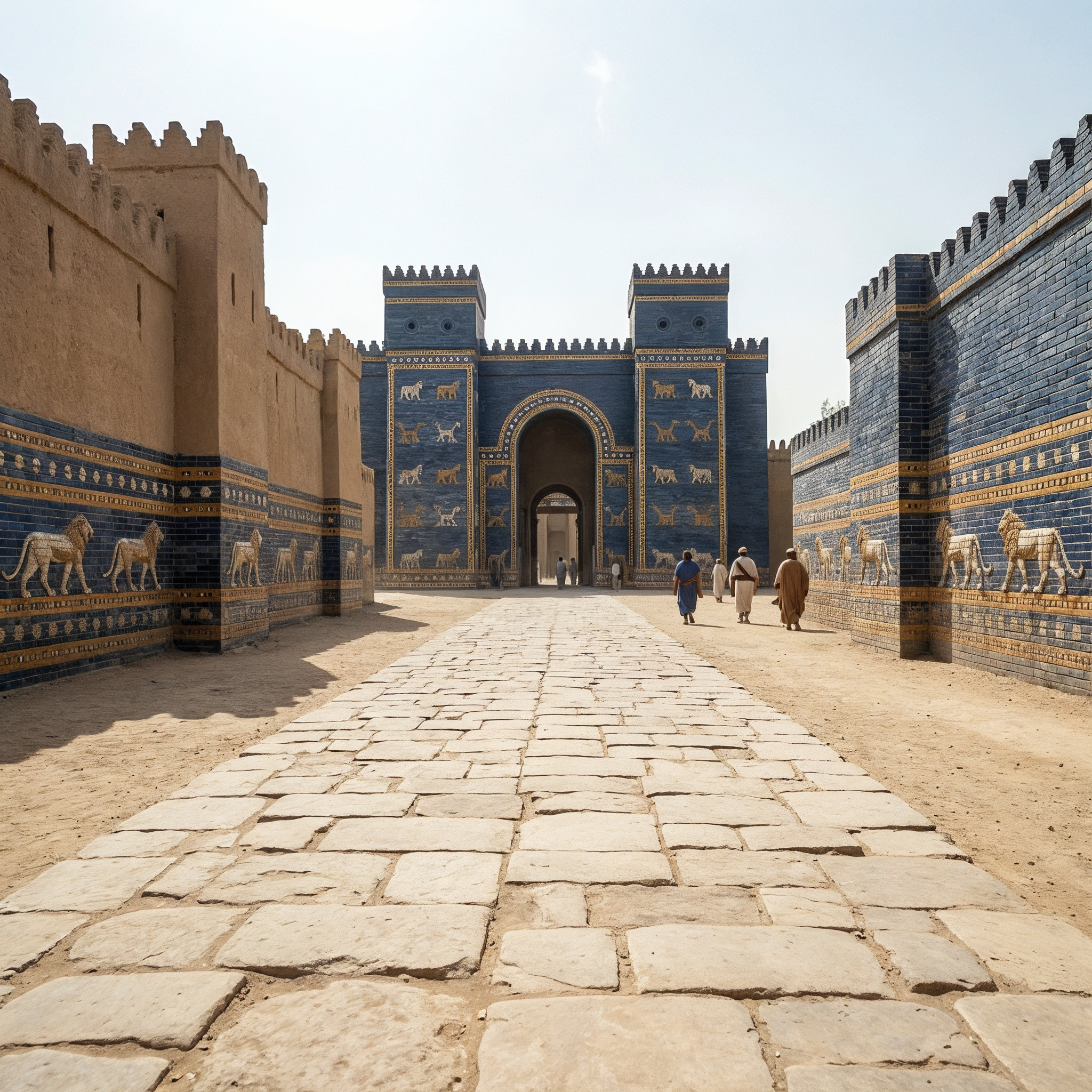 You will be driven away from society and you’ll live with the animals in the countryside. You’ll be forced to eat grass like a bull, and you’ll sleep on the ground and be wet with dew in the morning for seven years until you acknowledge that the highest one is ruler over humankind and learn that he gives kingdoms to whoever he wants.