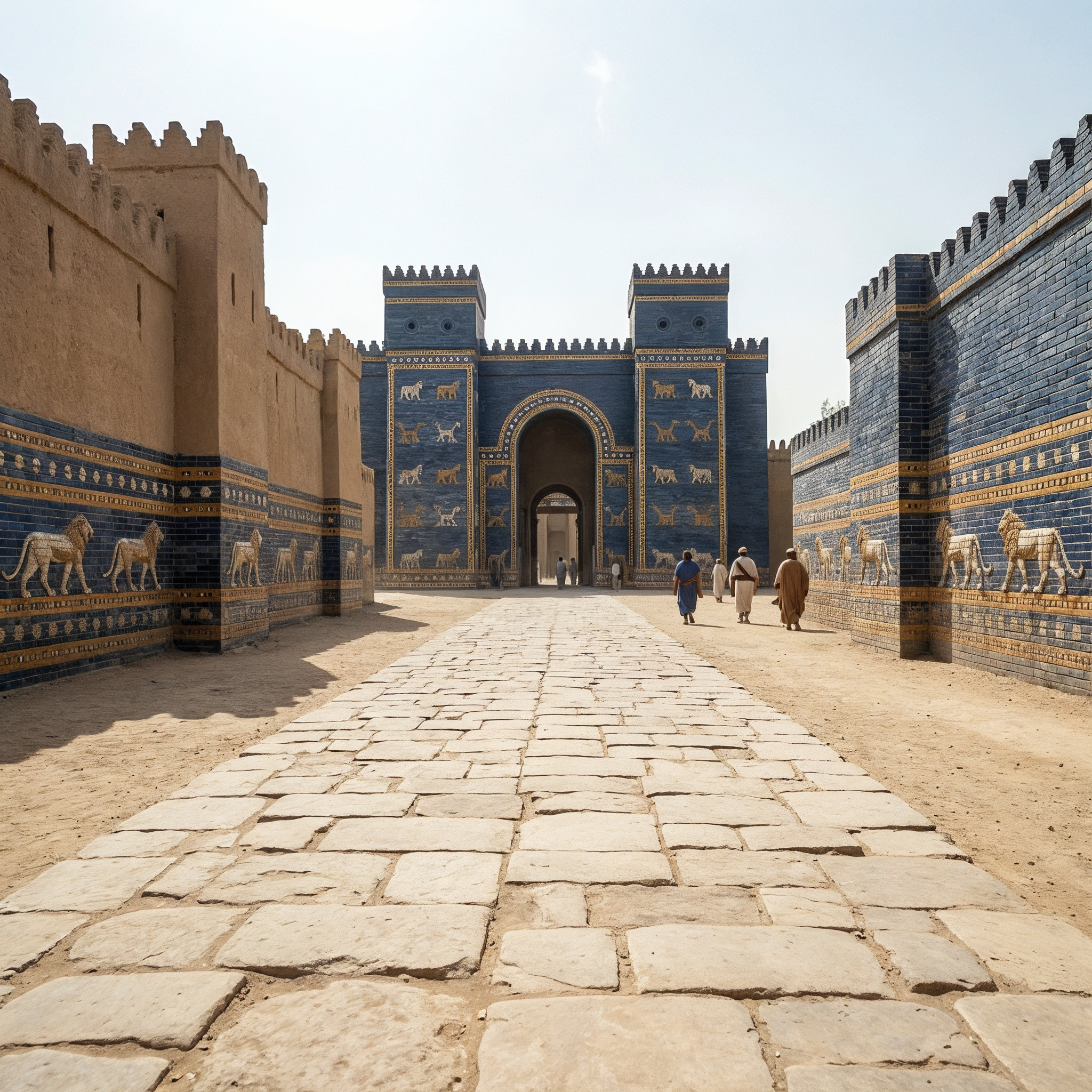
 But leave the stump with its roots in the ground, and bind it with a band of iron and bronze. Let it become wet with the dew in the tender grass of the field, accompanied only by those animals that live in the grass.
OET OET-RV OET-LV GHT ULT UST BSB MSB BLB AICNT OEB WEBBE WMBB NET LSV FBV TCNT T4T LEB BBE Moff JPS Wymth ASV DRA YLT Drby RV SLT Wbstr KJB-1769 KJB-1611 Bshps Gnva Cvdl TNT Wycl SR-GNT UHB BrLXX BrTr Related Parallel Simple Interlinear Topics Reference Dictionary Search
ParallelVerse GEN EXO LEV NUM DEU JOB JOS JDG RUTH 1 SAM 2 SAM PSA AMOS HOS 1 KI 2 KI 1 CHR 2 CHR PROV ECC SNG JOEL MIC ISA ZEP HAB JER LAM YNA (JNA) NAH OBA DAN EZE EZRA EST NEH HAG ZEC MAL LAO GES LES ESG DNG 2 PS TOB JDT WIS SIR BAR LJE PAZ SUS BEL MAN 1 MAC 2 MAC 3 MAC 4 MAC YHN (JHN) MARK MAT LUKE ACTs YAC (JAM) GAL 1 TH 2 TH 1 COR 2 COR ROM COL PHM EPH PHP 1 TIM TIT 1 PET 2 PET 2 TIM HEB YUD (JUD) 1 YHN (1 JHN) 2 YHN (2 JHN) 3 YHN (3 JHN) REV
Dan Intro C1 C2 C3 C5 C6 C7 C8 C9 C10 C11 C12
Dan 4 V1 V2 V3 V4 V5 V6 V7 V8 V9 V10 V11 V12 V13 V14 V16 V17 V18 V19 V20 V21 V22 V23 V24 V25 V26 V27 V28 V29 V30 V31 V32 V33 V34 V35 V36 V37
Note: This view shows ‘verses’ which are not necessarily natural language units and hence sometimes only part of a sentence will be visible—click on any Bible version abbreviation down the left-hand side to see the verse in more of its context. Normally the OET discourages the reading of individual ‘verses’, but this view is only designed as a tool for Bible-translators and others doing comparisons of different translations—the older translations are further down the page (so you can read up from the bottom to trace the English translation history). The OET segments on this page are still early looks into the drafted texts of the Open English Translation of the Bible—please double-check these texts in advance before using in public.
Text critical issues=none Clarity of original=clear Importance to us=normal Speaker(s)=Narrator (All still tentative.)
OET (OET-RV)
But leave the stump with its roots in the ground, and bind it with a band of iron and bronze. Let it become wet with the dew in the tender grass of the field, accompanied only by those animals that live in the grass.
OET-LV (DAN 4:12) [fn] nevertheless the_stump_of its_roots in_the_ground leave and_with_a_fetter of iron and_bronze in_the_grass of the_field and_with_the_dew_of the_heavens let_it_become_wet and_be_with the_animal[s] portion_of_its in_the_grass_of the_earth.
_C4.htm#C4V15">4:12 Note: KJB: Dān.4.15
UHB 12 בְּרַ֨ם עִקַּ֤ר שָׁרְשׁ֨וֹהִי֙ בְּאַרְעָ֣א שְׁבֻ֔קוּ וּבֶֽאֱסוּר֙ דִּֽי־פַרְזֶ֣ל וּנְחָ֔שׁ בְּדִתְאָ֖א דִּ֣י בָרָ֑א וּבְטַ֤ל שְׁמַיָּא֙ יִצְטַבַּ֔ע וְעִם־חֵיוְתָ֥א חֲלָקֵ֖הּ בַּעֲשַׂ֥ב אַרְעָֽא׃ ‡
(12 bəram ˊiqqar shārəshōhī bəʼarˊāʼ shəⱱuqū ūⱱeʼₑşūr diy-farzel ūnəḩāsh bəditʼāʼ diy ⱱārāʼ ūⱱəţal shəmayyāʼ yiʦţabaˊ vəˊim-ḩēyvətāʼ ḩₐlāqēh baˊₐsaⱱ ʼarˊāʼ.)
Key: khaki:verbs.
Note: Automatic aligning of the OET-RV to the LV is done by some temporary software, hence the OET-RV alignments are incomplete (and may occasionally be wrong).
BrLXX (DNG 4:15) Πλὴν τὴν φυὴν τῶν ῥιζῶν αὐτοῦ ἐν τῇ γῇ ἐάσατε, καὶ ἐν δεσμῷ σιδηρῷ καὶ χαλκῷ, καὶ ἐν τῇ χλόῃ τῇ ἔξω, καὶ ἐν τῇ δρόσῳ τοῦ οὐρανοῦ κοιτασθήσεται, καὶ μετὰ τῶν θηρίων ἡ μερὶς αὐτοῦ ἐν τῷ χόρτῳ τῆς γῆς.
(Plaʸn taʸn fuaʸn tōn ɽizōn autou en taʸ gaʸ easate, kai en desmōi sidaʸrōi kai ⱪalkōi, kai en taʸ ⱪloaʸ taʸ exō, kai en taʸ drosōi tou ouranou koitasthaʸsetai, kai meta tōn thaʸriōn haʸ meris autou en tōi ⱪortōi taʸs gaʸs.)
BrTr (DNG 4:15) Only leave the stump of its roots in the earth, and bind it with an iron and brass band; and it shall lie in the grass that is without and in the dew of heaven, and its portion shall be with the wild beasts in the grass of the field.
ULT But leave the stump of its roots in the earth, and with a band of iron and bronze, in the grass of the field. And let it be wet with the dew of the heavens, and, let its portion, be with the beast in the grass of the earth.
UST But leave the stump of the tree with its roots in the ground where grass grows. Fasten a band of iron and bronze around the stump to protect it from splitting. Let the dew that forms from the air keep it damp.’ That tree seemed to represent a person, since the angel then said, ‘Make him eat grass from the ground as animals do.
BSB & MSB But leave the stump with its roots in the ground,
⇔ with a band of iron and bronze around it,
⇔ in the tender grass of the field.
⇔ Let him be drenched with the dew of heaven
⇔ and graze with the beasts on the grass of the earth.
OEB No OEB DAN 4:15 book available
WEBBE & WMBB Nevertheless leave the stump of its roots in the earth, even with a band of iron and bronze, in the tender grass of the field; and let it be wet with the dew of the sky. Let his portion be with the animals in the grass of the earth.
NET But leave its taproot in the ground,
⇔ with a band of iron and bronze around it
⇔ surrounded by the grass of the field.
⇔ Let it become damp with the dew of the sky,
⇔ and let it live with the animals in the grass of the land.
LSV but the stump of its roots leave in the earth, even with a band of iron and bronze, in the tender grass of the field, and with the dew of the heavens is it wet, and with the beasts [is] his portion in the herb of the earth;
FBV But leave the stump and its roots in the ground, and bind it with iron and bronze, surrounded by the new grass of the field. Let him[fn] become soaked with the dew of heaven, and let him live with the animals outside in the undergrowth.
4:15 “Him”: there is a gradual transition from the actual image of the tree to its application to King Nebuchadnezzar.
T4T But leave the stump of the tree and its roots in the ground. Fasten a band of iron and bronze around the stump, and allow it to stay there with grass around it.”
LEB •
But the stump of its roots
•
leave in the earth,
•
along with[fn] a band of iron and bronze;
•
leave it in the grass of the field.
•
And in[fn] the dew of heaven
•
let it[fn] be watered,
•
and with the animals[fn]
•
let his lot be in the grass of the earth.
BBE But keep its broken end and its roots still in the earth, even with a band of iron and brass; let him have the young grass of the field for food, and let him be wet with the dew of heaven, and let his part be with the beasts.
Moff Still, leave the stump of its roots in the earth, among the soft grass of the field, with a band of iron and bronze round it; let the dews of heaven drench it—and let him share the herbage of the earth with the animals,
JPS (DAN 4:12) (4-9) The leaves thereof were fair, and the fruit thereof much, and in it was food for all; the beasts of the field had shadow under it, and the fowls of the heaven dwelt in the branches thereof, and all flesh was fed of it.
ASV Nevertheless leave the stump of its roots in the earth, even with a band of iron and brass, in the tender grass of the field; and let it be wet with the dew of heaven: and let his portion be with the beasts in the grass of the earth:
DRA Verse alignment unavailable (ambiguous).
YLT but the stump of its roots leave in the earth, even with a band of iron and brass, in the tender grass of the field, and with the dew of the heavens is it wet, and with the beasts [is] his portion in the herb of the earth;
Drby Nevertheless leave the stump of its roots in the earth, even with a band of iron and brass, in the tender grass of the field; and let it be bathed with the dew of heaven, and let his portion be with the beasts in the grass of the earth.
RV Nevertheless leave the stump of his roots in the earth, even with a band of iron and brass, in the tender grass of the field; and let it be wet with the dew of heaven, and let his portion be with the beasts in the grass of the earth:
(Nevertheless leave the stump of his roots in the earth, even with a band of iron and brass, in the tender grass of the field; and let it be wet with the dew of heaven, and let his portion be with the beasts/animals in the grass of the earth:)
SLT But leave the stump of its roots in the earth, and with a band of iron and brass, in the tender grass of the open field; and in the dew of the heavens it shall be wet, and its portion with the beasts in the green herb of the earth.
Wbstr Nevertheless leave the stump of its roots in the earth, even with a band of iron and brass, in the tender grass of the field; and let it be wet with the dew of heaven, and let its portion be with the beasts in the grass of the earth.
KJB-1769 Nevertheless leave the stump of his roots in the earth, even with a band of iron and brass, in the tender grass of the field; and let it be wet with the dew of heaven, and let his portion be with the beasts in the grass of the earth:
(Nevertheless leave the stump of his roots in the earth, even with a band of iron and brass, in the tender grass of the field; and let it be wet with the dew of heaven, and let his portion be with the beasts/animals in the grass of the earth:)
KJB-1611 Neuerthelesse leaue the stumpe of his rootes in the earth, euen with a band of yron and brasse, in the tender grasse of the field, and let it be wet with the dew of heauen, and let his portion be with the beastes in the grasse of the earth.
(Modernised spelling is same as from KJB-1769 above, apart from punctuation)
Bshps Neuerthelesse, leaue the stumpe of his rootes still in the earth, and with a band of iron and brasse binde it among the grasse of the fielde, & let it be wet with the deawe of heauen, and let his portion be with the beastes among the grasse of the fielde.
(Nevertheless, leave the stump of his roots still in the earth, and with a band of iron and brass bind it among the grass of the field, and let it be wet with the dew of heaven, and let his portion be with the beasts/animals among the grass of the field.)
Gnva This is the dreame, that I King Nebuchad-nezzar haue seene: therefore thou, O Belteshazzar, declare the interpretation thereof: for all the wisemen of my kingdome are not able to shewe mee the interpretation: but thou art able, for the spirit of the holy gods is in thee.
(This is the dream, that I King Nebuchad-nezzar have seen: therefore thou/you, Oh Belteshazzar, declare the interpretation thereof: for all the wise_men of my kingdom are not able to show me the interpretation: but thou/you art able, for the spirit of the holy gods is in thee/you.)
Cvdl Neuertheles leaue the grounde of his rote still in the earth, and bynde him vpon the playne felde, with cheynes of yron and stele. With the dew of heauen shall he be wet, and he shall haue his parte in the herbes of the grounde with other wylde beastes.
(Nevertheless leave the ground of his root still in the earth, and bind him upon the plain field, with chains of iron and steel. With the dew of heaven shall he be wet, and he shall have his part in the herbs of the ground with other wild beasts/animals.)
Wycl Verse alignment unavailable (ambiguous).
Luth (DAN 4:12) Doch laß den Stock mit seinen Wurzeln in der Erde bleiben; er aber soll in eisernen und ehernen Ketten auf dem Felde im Grase gehen; er soll unter dem Tau des Himmels liegen und naß werden und soll sich weiden mit den Tieren von den Kräutern der Erde.
(But let the Stock with his roots(n) in the/of_the earth/land/ground remain/stay; he but should in iron and brazen chains on/in/to to_him field in_the grass go; he should under to_him dew the heavens lie/lay and wet become and should itself/yourself/themselves graze with the animals from the herbs the/of_the earth/land/ground.)
ClVg Verse alignment unavailable (ambiguous).
The author of Daniel 4 wrote in the Aramaic language. These Notes are based on the BSB, which is based on the Aramaic text called the MT (Masoretic Text). However, the early Greek translation known as the Septuagint is different from the Aramaic text in many places in Daniel 4. Scholars are uncertain why the two are so different. It may be that the Greek translators worked from an Aramaic text that was different from that of the MT. The Notes will discuss the differences between the two texts for certain important passages.
The verse numbers of the BSB and most English versions are different from the verse numbers in the Aramaic text. The NJPS and NJB are two exceptions. They follow the verse numbers in the Aramaic text.Baldwin (p. 107) notes that the chapter divisions in the present Aramaic text were not necessarily those of the original text. The difference in numbering can cause confusion when citing verses in different translations. For example, Daniel 4:1 in the BSB is 3:31 in the NJPS and NJB. Daniel 4:4 is 4:1 in the NJB and NJPS, and so on. When these Notes cite verses in the NJPS and the NJB, they will give both the verse numbers in those versions and the corresponding BSB verse numbers.
Versions give different headings to Daniel 4. For example:
Nebuchadnezzar’s second dream (NRSV)
Nebuchadnezzar’s dream about a tree (NLT)
A letter from Nebuchadnezzar about his insanity (GW)
In some languages it may be more natural that the heading be a full sentence. For example:
Nebuchadnezzar dreamed a second dream
Nebuchadnezzar dreamed about a tree
Nebuchadnezzar wrote a letter about how he became insane
Special Problems:
1. Change of Speaker: In Daniel 4, the person who tells the story varies between the king and the narrator. For example:
A. In 4:1–18 the king told what happened to him in the first person.
B. In 4:19–27 the narrator told the story of how Daniel interpreted the king’s dream.
C. In 4:28–33 the narrator told what happened to Nebuchadnezzar.
D. In 4:34–37 the king again spoke directly in the first person.
The Notes will inform you when there is a change of speaker and suggest how to translate these passages.
2. Repetition: When Daniel interpreted the king’s dream (4:19–27), he repeated parts of what the king had previously told him (in 4:10–16). Later, when the narrator told what happened to the king (4:28–33), he repeated what Daniel had said would happen (in 4:25). This kind of repetition creates suspense in the story. Repetition also helps to emphasize the main theme of the account. For example, at the end of the account, the king repeated information from the beginning (4:3, 34). This information is the theme of the chapter: God is sovereign over human rulers.
3. Synonyms: The author liked to use synonyms, different words with the same or similar meaning. In some cases, he used synonyms to emphasize an idea. For example, in 4:37 the king used three synonyms in the same sentence to emphasize the idea of praise. In some languages this may not be natural. The Notes will suggest other ways you can translate synonyms.
4. Commands: In the dream, the angel made a number of commands. The text does not usually say to whom the angel was giving these commands. Sometimes the angel commanded non-living objects to do something. In all these cases, the angel was speaking a message from God. And when God commands that something happen, it will certainly happen. In some languages it may not be natural to use commands in this way. If that is true in your language, you may be able to translate these commands as authoritative declarations. The Notes will give examples of how you may do this.
5. Poetic Parallelism: The author of Daniel 4 liked to use poetic form to communicate ideas. In Aramaic poetry, authors often used pairs of clauses to say the same thing in two different ways. This type of poetry has many different functions. Sometimes the author used poetry to emphasize themes. Other times he used poetry to mark the climax of a section. This kind of poetry may not be natural in your language. The Notes will describe the function of the poetic speech in Daniel. They will also suggest some options on how you might translate this type of poetry in your own language.
6. Form: The author wrote Daniel 4 in the form of a royal proclamation. This proclamation form gives authority to the account. The style of the proclamation is similar to that of a letter, and the beginning of the chapter is similar to other Aramaic letters. The king first identifies himself. Second, he indicates to whom he is writing, that is, those he intends to read his letter. Third, he greets his readers. In your language, people may have a different way of identifying the author or addressee of a letter. The Notes will suggest some options on how to translate this letter style.
7. Key Terms: Two key terms in Daniel 4 are “earth” and “heaven.” Both words have more than one meaning. The Aramaic word that the BSB generally translates as “earth” can mean either “ground,” “land,” or “world.” The Aramaic word that the BSB generally translates as “heaven” can mean either “sky” or “where God lives.” In 4:26 the author used the word “Heaven” to refer to God himself. The author plays on these two words and their meanings to highlight the main theme of the chapter: “God in heaven rules over the affairs of men on earth.” The Notes will explain the meaning of these two key terms in each context.
In this paragraph the king continued to tell Daniel his dream.
But leave the stump with its roots in the ground, and a band of iron and bronze around it,
But leave(plur) the stump and roots of the tree in the ground. Bind them with iron and bronze chains,
However, do not dig(plur) up the stump of the tree or its roots. Instead, fasten(plur) the stump with a metal band made of iron and bronze
But the stump and its roots must be secured with iron and bronze bands and left in the ground,
But: The Aramaic connector that the BSB translates as But here introduces a contrast. The watcher contrasted the negative commands in 4:14 with the more positive ones in 4:15a. Show this contrast in a way that is natural in your language.
leave the stump with its roots in the ground, and a band of iron and bronze around it: The holy one commanded that no one dig up the stump of the tree. Those being addressed were ordered to bind the stump and leave it in the ground. There are at least two ways to translate this idea:
Translate it as a command. The watcher gave the command not to dig up the stump of the tree. For example:
leave the stump in the ground (GNT)
Leave the stump and its roots in the ground (NCV)
Do not dig up the stump of the tree or its roots.
Translate it as an authoritative statement. For example:
They (indefinite) are to leave the stump in the ground.
The stump must be left in the ground.
No one will dig up the stump in the ground
Translate this idea in the way that is most natural in your language.
the stump with its roots: The Aramaic text is more literally “the stump of its roots.” The two Aramaic words that the BSB translates as stump and roots are similar in meaning.See Goldingay, p. 80; HALOT, 1953. The first word refers to the main or tap root of the tree. Together they refer to what is left in the ground after a person cuts down a tree. English versions translate this in different ways:
Using two words. For example:
the stump and its roots (NIV)
Use one expression. For example:
stump (GNT)
deep rootft Goldingay
Translate this idea in a way that is natural in your language.
a band of iron and bronze around it: The Aramaic expression that the BSB translates as a band of iron and bronze around it is literally, “in/with a fetter of iron and bronze.” The word can refer to anything that held something tightly to one spot. It could refer to a shackle, a chain, or a metal band. The word can also refer to one or more fetters.See the Translator’s Handbook on Daniel. People used to put fetters on the legs of prisoners so that they would not run away. The fetters were made of metal and they fastened them around the leg of a prisoner. English versions translate this in different ways. For example:
bound with iron and bronze (NIV)
in fetters of iron and bronze (NJPS)
held by chains of iron and bronze (CEV)
This expression describes what the holy one said must happen to the stump.The image may imply that the stump could not be removed by anyone. There are at least two ways to translate this:
Translate it as a command. The watcher ordered others to fasten a band of iron and bronze around the stump. For example:
fasten it with iron and bronze chains
bind them with chains of iron and bronze
Translate it as an authoritative statement. For example:
They (indefinite) will fasten it with iron and bronze chains.
The stump will/must be fastened with iron and bronze chains.
iron and bronze: The bands were to be strong, made of metal. See the notes on iron at 2:33a and on bronze at 2:32c.
in the tender grass of the field.
and leave(plur) them in the grassy field.
and leave(plur) it there in the meadow grass.
among/in the wild grass.
in the tender grass of the field: This expression describes where the stump was. The holy one ordered that the stump be left in a field where grass grew. Other ways English versions translate this include:
in the grass of the countryside (NJB)
surrounded by the grass of the field (NET)
In some languages it may be natural to translate this as a separate clause or sentence. For example:
Leave it there in the field with the grass (GNT)
tender grass: The Aramaic word that the BSB translates as tender grass may refer to the new grass that grows in the spring.HALOT. If you have a term for this type of grass, you may use it here. Here is another way to translate this:
new grass (NASB)
In some languages it may be natural to reorder some of the information in 4:15a–b. For example:
15a-bThe stump must stay there in the grassy field, securely fastened with metal chains.
15aThe stump must be bound with chains of iron and bronze and left there 15bin the meadow.
Let him be drenched with the dew of heaven
Make(plur) him wet from the dew
He will/must become damp from the dew.
The dew will drench/soak him
Daniel 4:15c begins with a common connector that here introduces the next command that the angel gave. The BSB has not translated this connector. Introduce this next command in a way that is natural in your language.
Let him be drenched with the dew of heaven: The Aramaic expression that the BSB translates as Let him be drenched is a command. It functions as a declaration of what must and will happen. There are at least two ways to translate this expression:
Translate it as an authoritative statement. For example:
He will become wet from the dew of heaven
Translate it as a third-person command. For example:
Now let the dew fall on this man (GNT)
Translate it as a command addressed to the dew. For example:
Dew from the sky, fall on this man!
In some languages it will be unnatural to command the dew to do something. If that is true in your language, you should follow the first option.
him: The Aramaic pronoun that the BSB translates as him is ambiguous. In Aramaic the word for tree is masculine, so the pronoun could refer either to the stump or to a man. The vision slowly changes from a dream about a tree stump to a dream about a man. The angel began to speak about the man, the ruler, whom the stump represented. Some translations transition to using the pronoun “him” here and some continue to use “it,” that is, the stump. The possibilities are:
use “him.” For example:
Let him be wet with the dew of heaven. (ESV) (BSB, NIV, NASB, ESV, RSV, NRSV, REB, NLT)
use “it.” For example:
Let it become damp with the dew of the sky (NET) (NJB, KJV, NET, GW)
make a sharp change with an explicit reference to a man. For example:
Let the man become wet from dew (NCV) (NCV, GNT, CEV)
If you have a third person pronoun that can refer to either the stump or to a man, you can use that here. Try to make the transition as gradual as possible. If you must choose, it is probably best to use a noun or pronoun that refers specifically to a man. For example:
Now let the dew fall on this man (GNT)
Let him be wet with the dew of heaven (RSV)
be drenched: This is a passive verb. There are at least two ways to translate it:
Using a passive verb. For example:
Let him be bathed with the dew of heaven (NRSV)
unprotected from the dew (CEV)
Using an active verb. For example:
let the man become wet with dew (NCV)
let the dew fall on this man (GNT)
with the dew of heaven: dew refers to the moisture that appears during the night in little drops on plants and on the ground. If you do not have a word that means dew, you may be able to say:
with the water that comes at night
of heaven: The Aramaic word that the BSB translates as heaven here means “sky, air.” In some languages the idea will be implied and can be left untranslated. For example:
the dew (GNT)
and graze with the beasts on the grass of the earth.
and make(plur) him live outside with the wild animals and plants.
He will/must live outdoors with the wild animals/creatures and plants.
as his home will be with the beasts, among the plants.
and graze with the beasts on the grass of the earth: The Aramaic text is more literally “and his portion/lot with the animals in the grass of the earth.” The holy one gave the command that the man live with the wild animals in the grasslands. This command functions as a declaration of what must and would take place. There are again several ways to translate this command. For example:
Translate this as a command
let him live with the animals among the plants of the earth (NIV)
let him live with the animals and the plants (GNT)
Translate this as an authoritative statement
He must/will live with the animals and plants
Continue to use the form that is most natural in your language to express this idea.
with the beasts: See the Notes at 4:12c.
(NIV:) live with the animals: There are two ways to interpret the Aramaic word that the NIV translates as live It literally refers to having part or share of something. The possibilities are:
It refers to the kind of life that God determines that a person will live.It can mean “destiny.” See ḥalaq TDOT 4:448–49. The man will live with the animals, like an animal himself. For example:
let him live with the wild animals among the plants of the field (NLT) (NIV, NLT, KJV, RSV, GNT, CEV, NCV, NET)
It refers to sharing the food of the wild animals. For example:
eating grass (NJB) (BSB, NJB, GW, possibly NASB)
It is recommended that you follow interpretation (1), along with the majority of English versions. This interpretation can include the idea of eating the food that wild animals eat.
Note 1 topic: figures-of-speech / yousingular
שְׁבֻ֔קוּ
(Some words not found in UHB: only/nevertheless/but stump_of of,its_roots in,the,ground leave and,with,a_fetter that/who iron and,bronze in,the,grass that/who the,field and,with,the_dew_of the=heavens drenched and_[be],with the,animal[s] portion_of,its in,the_grass_of of,the_earth )
The word “you” is implied in the command leave and is plural here because the watcher is speaking to the other heavenly beings, so use the plural form in your translation if your language marks that distinction.
Note 2 topic: translate-unknown
וּבֶֽאֱסוּר֙ דִּֽי־פַרְזֶ֣ל וּנְחָ֔שׁ
and,with,a_fetter that/who iron and,bronze
The purpose of this band was to prevent the heat of the sun from splitting the tree and killing it completely. If the stump remained intact, it might send out new shoots. If your readers would not be familiar with the practice of banding a tree stump, you could explain it in the text of your translation or in a footnote.
Note 3 topic: translate-unknown
בְּדִתְאָ֖א & בַּעֲשַׂ֥ב
in,the,grass & in,the_grass_of
The second instance of “grass” refers to grass in general. The first instance of “grass” refers to new grass or tender grass, that is, grass that has just started growing. If your language has its own term for this, it would be appropriate to use it here in your translation, here and in verse 23.
Note 4 topic: figures-of-speech / activepassive
וּבְטַ֤ל שְׁמַיָּא֙ יִצְטַבַּ֔ע
and,with,the_dew_of the=heavens drenched
The expression be wet is a passive verbal form. If it would be unnatural to use that form, you could express the idea in active form or in another way that is natural in your language. Alternate translation: [And let the dew of the heavens make it wet]
Open Bible Data site copyright © 2023–2026 Freely-Given.org.
Python source code for creating these static pages is available on GitHub under an open licence.
For Bible data copyrights, see the details for each displayed Bible version.
The Open English Translation (OET) main site is at OpenEnglishTranslation.Bible or OET.Bible.