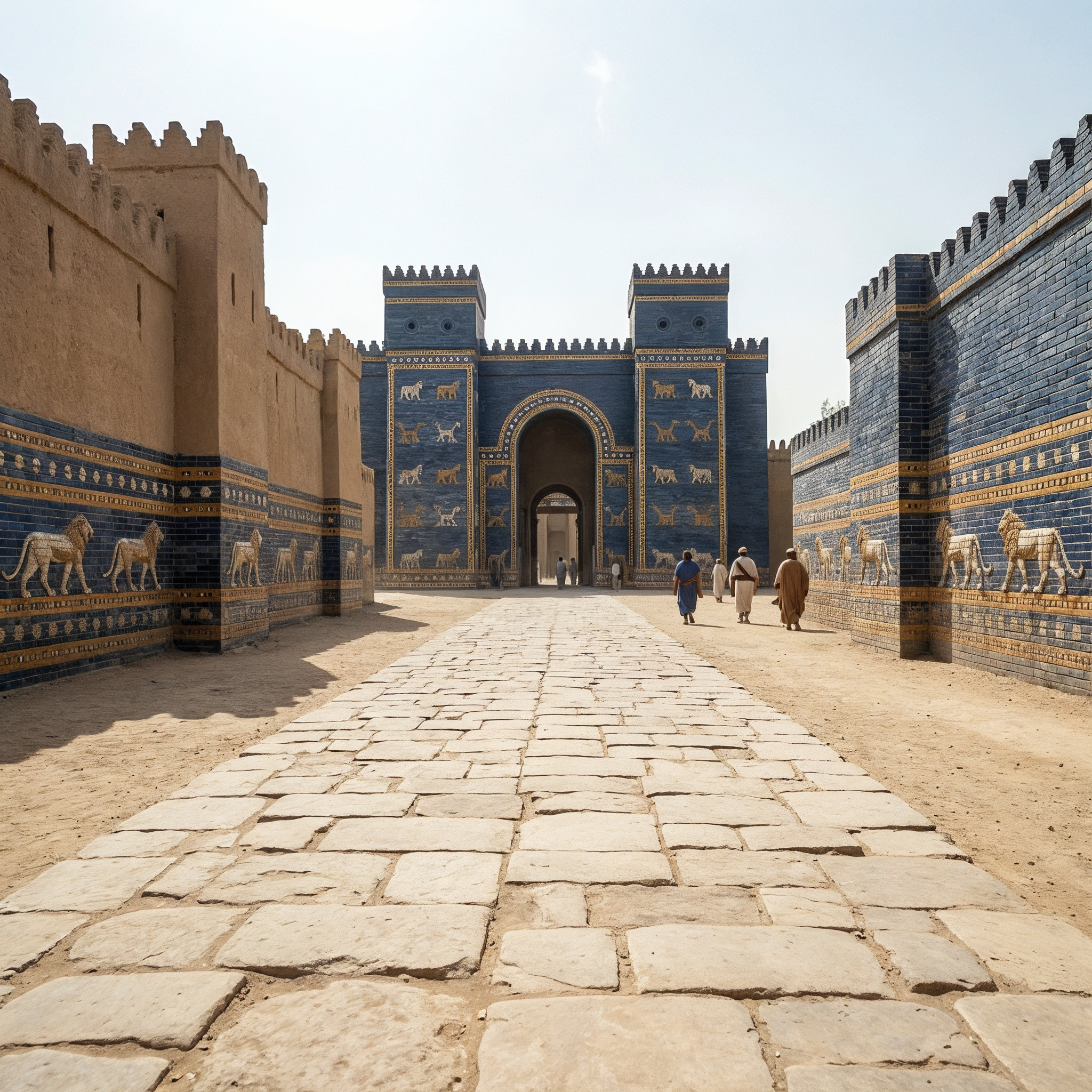
 So they brought in the gold cups that had been taken out of God’s residence in Yerushalem, then the king and his nobles, his wives and his concubines, drank from them.
OET OET-RV OET-LV GHT ULT UST BSB MSB BLB AICNT OEB WEBBE WMBB NET LSV FBV TCNT T4T LEB BBE Moff JPS Wymth ASV DRA YLT Drby RV SLT Wbstr KJB-1769 KJB-1611 Bshps Gnva Cvdl TNT Wycl SR-GNT UHB BrLXX BrTr Related Parallel Simple Interlinear Topics Reference Dictionary Search
ParallelVerse GEN EXO LEV NUM DEU JOB JOS JDG RUTH 1 SAM 2 SAM PSA AMOS HOS 1 KI 2 KI 1 CHR 2 CHR PROV ECC SNG JOEL MIC ISA ZEP HAB JER LAM YNA (JNA) NAH OBA DAN EZE EZRA EST NEH HAG ZEC MAL LAO GES LES ESG DNG 2 PS TOB JDT WIS SIR BAR LJE PAZ SUS BEL MAN 1 MAC 2 MAC 3 MAC 4 MAC YHN (JHN) MARK MAT LUKE ACTs YAC (JAM) GAL 1 TH 2 TH 1 COR 2 COR ROM COL PHM EPH PHP 1 TIM TIT 1 PET 2 PET 2 TIM HEB YUD (JUD) 1 YHN (1 JHN) 2 YHN (2 JHN) 3 YHN (3 JHN) REV
Dan Intro C1 C2 C3 C4 C6 C7 C8 C9 C10 C11 C12
Dan 5 V1 V2 V4 V5 V6 V7 V8 V9 V10 V11 V12 V13 V14 V15 V16 V17 V18 V19 V20 V21 V22 V23 V24 V25 V26 V27 V28 V29 V30 V31
Note: This view shows ‘verses’ which are not necessarily natural language units and hence sometimes only part of a sentence will be visible—click on any Bible version abbreviation down the left-hand side to see the verse in more of its context. Normally the OET discourages the reading of individual ‘verses’, but this view is only designed as a tool for Bible-translators and others doing comparisons of different translations—the older translations are further down the page (so you can read up from the bottom to trace the English translation history). The OET segments on this page are still early looks into the drafted texts of the Open English Translation of the Bible—please double-check these texts in advance before using in public.
Text critical issues=small word differences Clarity of original=clear Importance to us=normal Speaker(s)=Narrator (All still tentative.)
OET (OET-RV)
So they brought in the gold cups that had been taken out of God’s residence in Yerushalem, then the king and his nobles, his wives and his concubines, drank from them.
OET-LV In_then they_brought the_vessels_of (the)_gold which they_had_brought_out from the_temple which was_the_house_of the_god which was_in_Yərūshelēm/(Jerusalem) and_they_drank with_them Oh/the_king and_nobles_of_his wives_of_his and_concubines_of_his.
UHB בֵּאדַ֗יִן הַיְתִיו֙ מָאנֵ֣י דַהֲבָ֔א דִּ֣י הַנְפִּ֗קוּ מִן־הֵֽיכְלָ֛א דִּֽי־בֵ֥ית אֱלָהָ֖א דִּ֣י בִירֽוּשְׁלֶ֑ם וְאִשְׁתִּ֣יו בְּה֗וֹן מַלְכָּא֙ וְרַבְרְבָנ֔וֹהִי שֵׁגְלָתֵ֖הּ וּלְחֵנָתֵֽהּ׃ ‡
(bēʼdayin haytīv māʼnēy dahₐⱱāʼ diy hanpiqū min-hēykəlāʼ diy-ⱱēyt ʼₑlāhāʼ diy ⱱiyrūshəlem vəʼishtiv bəhōn malkāʼ vəraⱱrəⱱānōhī shēgəlātēh ūləḩēnātēh.)
Key: khaki:verbs.
Note: Automatic aligning of the OET-RV to the LV is done by some temporary software, hence the OET-RV alignments are incomplete (and may occasionally be wrong).
BrLXX Verse alignment unavailable (unsupported).
BrTr Verse alignment unavailable (unsupported).
ULT Then they brought the vessels of gold that he had taken out from the temple of the house of God that, was in Jerusalem, and the king and his nobles, his wives and his concubines drank from them.
UST So his servants brought in the gold cups that Nebuchadnezzar’s solders had taken from the temple where God had been present in Jerusalem. Then the king, his officials, his wives, and his concubines drank wine from those cups.
BSB & MSB Thus they brought in the gold vessels that had been taken from the temple, the house of God in Jerusalem, and the king drank from them, along with his nobles, his wives, and his concubines.
OEB No OEB DAN 5:3 book available
WEBBE & WMBB Then they brought the golden vessels that were taken out of the temple of God’s house which was at Jerusalem; and the king and his lords, his wives and his concubines, drank from them.
NET So they brought the gold and silver vessels that had been confiscated from the temple, the house of God in Jerusalem, and the king and his nobles, together with his wives and concubines, drank from them.
LSV Then they have brought in the vessels of gold that had been taken out of the temple of the house of God that [is] in Jerusalem, and the king and his great men, his wives and his concubines, have drunk with them;
FBV So they brought in the gold cups and bowls that had been taken from the Temple of God in Jerusalem. The king and his nobles, his wives and concubines, drank from them.
T4T So his servants brought in all those gold cups, that had been taken many years previously from the temple of the true God in Jerusalem. Then the king and his officials and his wives and his slave wives drank wine from those cups.
LEB Then they brought in the vessels of gold that they took from the temple, the house of God that was in Jerusalem, and the king and his lords,[fn] his wives and his concubines drank from them.
5:3 Or “nobles”
BBE Then they took in the gold and silver vessels which had been in the Temple of the house of God at Jerusalem; and the king and his lords, his wives and his other women, took wine from them.
Moff The gold and silver vessels which had been removed from the temple of God’s house at Jerusalem were then brought, and the king and his lords, his consorts and his concubines, drank out of them;
JPS Then they brought the golden vessels that were taken out of the temple of the house of God which was at Jerusalem; and the king, and his lords, his consorts and his concubines, drank in them.
ASV Then they brought the golden vessels that were taken out of the temple of the house of God which was at Jerusalem; and the king and his lords, his wives and his concubines, drank from them.
DRA Verse alignment unavailable (unsupported).
YLT Then they have brought in the vessels of gold that had been taken out of the temple of the house of God that [is] in Jerusalem, and drunk with them have the king and his great men, his wives and his concubines;
Drby Then they brought the golden vessels that were taken out of the temple of the house of [fn]God which was at Jerusalem; and the king and his nobles, his wives and his concubines, drank in them.
5.3 Elohim
RV Then they brought the golden vessels that were taken out of the temple of the house of God which was at Jerusalem; and the king and his lords, his wives and his concubines, drank in them.
(Then they brought the golden vessels that were taken out of the temple of the house of God which was at Yerusalem; and the king and his lords, his wives and his concubines, drank in them.)
SLT At that time they brought the vessels of gold that were brought forth from the temple of the house of God which was in Jerusalem; and in them they drank, the king and his nobles, his wives and his concubines.
Wbstr Then they brought the golden vessels that were taken out of the temple of the house of God which was at Jerusalem; and the king, and his princes, his wives, and his concubines, drank in them.
KJB-1769 Then they brought the golden vessels that were taken out of the temple of the house of God which was at Jerusalem; and the king, and his princes, his wives, and his concubines, drank in them.
(Then they brought the golden vessels that were taken out of the temple of the house of God which was at Yerusalem; and the king, and his princes, his wives, and his concubines, drank in them.)
KJB-1611 Then they brought the golden vessels that were taken out of the temple of the house of God, which was at Ierusalem, and the king and his princes, his wiues, and his concubines dranke in them.
(Modernised spelling is same as from KJB-1769 above, apart from punctuation)
Bshps So were brought the golde vessels that they had taken out of the temple of the Lordes house at Hierusalem: and the king, and his princes, his wyues, and his concubines drunke in them.
(So were brought the gold vessels that they had taken out of the temple of the Lords house at Yerusalem: and the king, and his princes, his wives, and his concubines drunk in them.)
Gnva Then were brought the golden vessels, that were taken out of the Temple of the Lords house at Ierusalem, and the King and his princes, his wiues and his concubines dranke in them.
(Then were brought the golden vessels, that were taken out of the Temple of the Lords house at Yerusalem, and the King and his princes, his wives and his concubines drank in them.)
Cvdl So they brought the golden vessel, that was take out of the temple of the LORDES house at Ierusalem. Then the kynge and his lordes with his quene and concubines dronke out of them.
(So they brought the golden vessel, that was take out of the temple of the LORDS house at Yerusalem. Then the king and his lords with his queen and concubines drank/drunk out of them.)
Wycl Verse alignment unavailable (unsupported).
Luth Also wurden hergebracht die güldenen Gefäße, die aus dem Tempel, aus dem Hause Gottes zu Jerusalem, genommen wären; und der König, seine Gewaltigen, seine Weiber und Kebsweiber tranken daraus.
(So became traditional the golden vessels/containers, the out_of to_him temple, out_of to_him house(n) God’s to/for Jerusalem, taken would_be; and the/of_the king, his mighty_(ones), his women and concubine soak from_it.)
ClVg Verse alignment unavailable (unsupported).
The author continued to write in the Aramaic language. He wrote about how King Belshazzar gave a big banquet and made use of the sacred treasures from the Jerusalem temple. Belshazzar saw a hand writing a mysterious message on the wall. Only Daniel was able to explain the message, that God was about to punish Belshazzar. That same night an army of Medes and Persians conquered the city and killed Belshazzar.
English versions give different headings to Daniel 5. These include:
The Handwriting on the Wall (GW)
The Writing on the Wall (NIV)
King Belshazzar’s Banquet (CEV)
In some languages it may be more natural to write the heading in the form of a clause. For example, you could say:
King Belshazzar saw a hand write on the wall.
King Belshazzar had/gave a banquet/feast.
Some versions give headings to the subsections of Daniel 5. For example, the NLT has two headings:
The Writing on the Wall (5:1)
Daniel explains the writing (5:13)
The NRSV has three headings:
Belshazzar’s Feast (5:1)
The Writing on the Wall (5:5)
The Writing on the Wall Interpreted (5:13)
You should decide the number of headings that is best in your translation. The purpose of headings is to help readers to follow the events of the story. Headings also help the reader understand the relationships between the different parts of the story. You should try not to have more headings than necessary.
Historical Background:
Nabonidus was the king of Babylon from 556 to 539 B.C. Historical records indicate that he married Nitocris, the daughter of Nebuchadnezzar, and that Belshazzar was their oldest son.See the ancient Greek historian Herodotus and the Nabonidus Chronicles. While Nabonidus was absent from Babylon during the last ten years of his reign, Belshazzar acted as king in his place.
Daniel 5 describes the last night of the Babylonian empire. From other historic sources we know that Cyrus, the king of Persia, attacked the Babylonian army during the 7th month of the year 539 B.C. On the 15th day of that month, they attacked the town of Sippar and King Nabonidus fled. The next day Cyrus’ army entered the city of Babylon without any battle and killed its ruler, Belshazzar. Daniel 5 describes what Belshazzar was doing on the last day of the Babylonian empire.
Daniel 5:1–4 introduces a new episode in the narrative. It identifies the time, place, and the major characters in this new episode.
Thus they brought in the gold vessels that had been taken from the temple, the house of God in Jerusalem,
So they brought the golden vessels which King Nebuchadnezzar had taken from the temple, the house of God in Jerusalem,
So the servants fetched the gold and silver cups that the Babylonians had removed/looted from God’s house, the temple in Jerusalem.
At once the sacred bowls from God’s temple were brought/carried in to the banquet hall.
Thus: The Aramaic connector that the BSB translates as Thus here introduces what Belshazzar’s servants did in obedience to his order. It marks the next phase of the action. Other ways English versions translate this are:
Then (RSV)
At once (GNT)
they brought in: The pronoun they refers to the people whom the king had ordered to bring in the vessels (5:2b). They were probably servants. In some languages it may be natural to make this explicit. For example:
the servants brought (GW)
the gold vessels: See the Notes at 5:2b. There is a textual problem in this verse.The expression “and silver” is not in the MT but is in Theodotion and the Vulgate. The Old Greek does not mention either silver or gold (Lucas, p. 120). The two possibilities are:
The original text did not mention the silver vessels, only the gold. The Aramaic text that we now have (the MT) does not mention the silver cups. For example:
the golden vessels (ESV) (BSB, KJV, GNT, NIV, GW, NLT, CEV, NCV, NJPS, NASB)
The original text mentioned both the gold and the silver goblets that the king had ordered to be brought. For example:
the gold and silver vessels (NET) (NET, RSV/NRSV, NJB, REB)
It is recommended that you follow option (1). The original text probably did not mention the silver goblets. The context, however, implies them. In some languages a literal translation may imply that the servants disobeyed the king by bringing only some of the goblets. In those languages you may wish to refer back to the goblets in a different way. For example:
the/those precious goblets
that had been taken from the temple, the house of God in Jerusalem: In 586 BC, Nebuchadnezzar’s soldiers had conquered Jerusalem and taken these sacred treasures from the temple. See the Notes at 5:2c. The verb had been taken is passive. There are at least two ways to translate it:
Using a passive verb. For example:
that had been confiscated from the temple (NET)
Using an active verb. For example:
belonging to the house of God, the temple in Jerusalem (REB)
that they had brought from God’s temple in Jerusalem
the house of God in Jerusalem: See the Notes on “house of God” at 1:2b. This expression is a synonym of the word “temple.” The author repeated the idea in order to emphasize the sacred nature of the goblets and the disrespect Belshazzar was showing. In some languages it may be unnatural to repeat this information in this way. If this is the case in your language, you may combine the two expressions, as the BSB has done. For example:
God’s temple (GW)
the building where they worshiped God
the temple where God was present
Whatever option you choose, you should communicate that Belshazzar’s order was irreverent and showed disrespect for sacred things.
The repetition of the information about the gold goblets from 5:2 emphasizes the importance of the sacred goblets. However, in some languages it may not be natural to repeat the information. Another way to translate this is:
When the gold cups were brought in… (CEV)
Try to emphasize the importance of the sacred vessels in a way that is natural in your language.
and the king drank from them, along with his nobles, his wives, and his concubines.
and the king, his nobles/officials, his wives, and his concubines drank from them.
Everyone at the banquet drank from them—the king, his leading/important men, his wives and his secondary/lesser wives.
and the king drank from them, along with his nobles, his wives, and his concubines: The author here repeated the information about the guests in order to emphasize how many people acted in a disrespectful way toward God. For information on how to translate these references to the various guests, see the Notes at 5:2d.
If it is unnatural to repeat so much information, you may be able to translate in a briefer way. For example:
When the gold cups were brought in, everyone at the banquet drank from them (CEV)
At once the gold cups and bowls were brought in, and they all drank wine out of them (CEV)
Note 1 topic: writing-pronouns
בֵּאדַ֗יִן הַיְתִיו֙
in=then brought_in
The pronoun they refers to the servants of the king. It may be helpful to clarify this for your readers. Alternate translation: [Then the king’s servants brought]
Note 2 topic: figures-of-speech / possession
הֵֽיכְלָ֛א דִּֽי־בֵ֥ית אֱלָהָ֖א
the,temple (Some words not found in UHB: in=then brought_in vessels_of of_(the),gold that/who taken from/more_than the,temple that/who house_of the=god that/who [was]_in,Jerusalem and,they_drank with,them Oh/the=king and,nobles_of,his wives_of,his and,concubines_of,his )
Daniel is using the possessive form to describe a temple that is characterized by being God’s house. If a speaker of your language would not use the possessive form for this, you could express this idea in another way. Alternate translation: [the temple that was the house of God]
Open Bible Data site copyright © 2023–2026 Freely-Given.org.
Python source code for creating these static pages is available on GitHub under an open licence.
For Bible data copyrights, see the details for each displayed Bible version.
The Open English Translation (OET) main site is at OpenEnglishTranslation.Bible or OET.Bible.