Note: This view shows ‘verses’ which are not necessarily natural language units and hence sometimes only part of a sentence will be visible—click on any Bible version abbreviation down the left-hand side to see the verse in more of its context. Normally the OET discourages the reading of individual ‘verses’, but this view is only designed as a tool for Bible-translators and others doing comparisons of different translations—the older translations are further down the page (so you can read up from the bottom to trace the English translation history). The OET segments on this page are still early looks into the drafted texts of the Open English Translation of the Bible—please double-check these texts in advance before using in public.
ULT The king called out in strength to bring in the enchanters, the Chaldeans, and the diviners. The king answered and was saying to the wise men of Babylon that, “Any man who reads this writing and shows me its interpretation shall wear purple, and a chain of gold, shall be around his neck, and he shall rule, as the third in the kingdom.”
UST He shouted loudly to tell his servants to bring in his magicians, advisors, and fortune tellers. He said, “If any of them can read this writing and tell me what it means, I will give him a purple robe to wear. I will also give him a gold chain to put around his neck. I will also make him the most powerful ruler in my kingdom except for me and the crown prince.”
BSB & MSB The king called out for the enchanters, astrologers,[fn] and diviners to be brought in, and he said to these wise men of Babylon, “Whoever reads this inscription and tells me its interpretation will be clothed in purple and have a gold chain placed around his neck, and he will be made the third highest ruler in the kingdom.”
OEB No OEB DAN book available
WEBBE The king cried aloud to bring in the enchanters, the Chaldeans, and the soothsayers. The king spoke and said to the wise men of Babylon, “Whoever reads this writing and shows me its interpretation shall be clothed with purple, and have a chain of gold about his neck, and shall be the third ruler in the kingdom.”
WMBB The king cried aloud to bring in the enchanters, the Kasdim, and the soothsayers. The king spoke and said to the wise men of Babylon, “Whoever reads this writing and shows me its interpretation shall be clothed with purple, and have a chain of gold about his neck, and shall be the third ruler in the kingdom.”
NET The king called out loudly to summon the astrologers, wise men, and diviners. The king proclaimed to the wise men of Babylon that anyone who could read this inscription and disclose its interpretation would be clothed in purple and have a golden collar placed on his neck and be third ruler in the kingdom.
LSV The king calls mightily, to bring up the enchanters, the Chaldeans, and the soothsayers. The king has answered and said to the wise men of Babylon, that, “Any man who reads this writing, and shows me its interpretation, he puts on purple, and a bracelet of gold [is] on his neck, and he rules third in the kingdom.”
FBV The king shouted, “Bring in the enchanters and astrologers and diviners!” He told these wise men of Babylon, “Anyone who can read this writing and explain it to me will be clothed in purple and have a gold chain placed around his neck, and he will become the third highest ruler in the kingdom.”[fn]
T4T Then he shouted to summon the men who worked magic, the men who studied the stars, and the fortune-tellers. He said, “I will greatly honor any one of them who can read this writing and tell me what it means. I will give him a purple robe like I wear because I am the king, and I will put a gold chain around his neck. He will become a very important official in my kingdom; there will be only two others who will be more important than he will be.”
LEB The king cried ⌊aloud⌋[fn] to bring in the conjurers,[fn] the ⌊astrologers⌋[fn] and the diviners; the king ⌊spoke⌋[fn] and said to the wise men of Babylon, “Any man that can read this writing and can tell me its explanation will be clothed in purple and will have a necklace of gold hung around his neck and he will rule as third in authority in the kingdom.”
BBE The king, crying out with a loud voice, said that the users of secret arts, the Chaldaeans, and the readers of signs, were to be sent for. The king made answer and said to the wise men of Babylon, Whoever is able to make out this writing, and make clear to me the sense of it, will be clothed in purple and have a chain of gold round his neck, and will be a ruler of high authority in the kingdom.
Moff Then the king cried aloud for the enchanters, the diviners, and the astrologers to be brought in. The king declared to the sages of Babylon, “Whoever reads this writing and tells me the meaning of it, shall be robed in purple and wear a golden chain round his neck and rank as third within the realm.”
JPS The king cried aloud to bring in the enchanters, the Chaldeans, and the astrologers. The king spoke and said to the wise men of Babylon: 'Whosoever shall read this writing, and declare unto me the interpretation thereof, shall be clothed with purple, and have a chain of gold about his neck, and shall rule as one of three in the kingdom.'
ASV The king cried aloud to bring in the enchanters, the Chaldeans, and the soothsayers. The king spake and said to the wise men of Babylon, Whosoever shall read this writing, and show me the interpretation thereof, shall be clothed with purple, and have a chain of gold about his neck, and shall be the third ruler in the kingdom.
DRA And the king cried out aloud to bring in the wise men, the Chaldeans, and the soothsayers. And the king spoke, and said to the wise men of Babylon: Whosoever shall read this writing, and shall make known to me the interpretation thereof, shall be clothed with purple, and shall have a golden chain on his neck, and shall be the third man in my kingdom.
YLT Call doth the king mightily, to bring up the enchanters, the Chaldeans, and the soothsayers. Answered hath the king, and said to the wise men of Babylon, that, 'Any man who doth read this writing, and its interpretation doth shew me, purple he putteth on, and a bracelet of gold [is] on his neck, and third in the kingdom he doth rule.'
Drby The king cried aloud to bring in the magicians, the Chaldeans, and the astrologers. The king spoke and said to the wise men of Babylon, Whosoever shall read this writing, and shew me the interpretation thereof, shall be clothed with purple, and have a chain of gold about his neck, and shall be the third ruler in the kingdom.
RV The king cried aloud to bring in the enchanters, the Chaldeans, and the soothsayers. The king spake and said to the wise men of Babylon, Whosoever shall read this writing, and shew me the interpretation thereof, shall be clothed with purple, and have a chain of gold about his neck, and shall be the third ruler in the kingdom.
(The king cried aloud to bring in the enchanters, the Chaldeans, and the soothsayers. The king spake and said to the wise men of Babylon, Whosoever shall read this writing, and show me the interpretation thereof, shall be clothed with purple, and have a chain of gold about his neck, and shall be the third ruler in the kingdom.)
SLT The king called with strength to bring up the enchanters, the Chaldeans and the diviners. The king answered and said to the wise of Babel, Whatever man that shall read this writing, and will show to me its interpretation, shall be clothed with purple, and a necklace of gold upon his neck, and shall rule the third in the kingdom.
Wbstr The king cried aloud to bring in the astrologers, the Chaldeans, and the sooth-sayers. And the king spoke and said to the wise men of Babylon, Whoever shall read this writing, and show me the interpretation of it, shall be clothed with scarlet, and have a chain of gold about his neck, and shall be the third ruler in the kingdom.
KJB-1769 The king cried aloud to bring in the astrologers, the Chaldeans, and the soothsayers. And the king spake, and said to the wise men of Babylon, Whosoever shall read this writing, and shew me the interpretation thereof, shall be clothed with scarlet, and have a chain of gold about his neck, and shall be the third ruler in the kingdom.[fn][fn]
(The king cried aloud to bring in the astrologers, the Chaldeans, and the soothsayers. And the king spake, and said to the wise men of Babylon, Whosoever shall read this writing, and show me the interpretation thereof, shall be clothed with scarlet, and have a chain of gold about his neck, and shall be the third ruler in the kingdom.)
KJB-1611 [fn][fn]The king cried aloud to bring in the Astrologers, the Caldeans, and the soothsayers: and the king spake and said to the wise men of Babylon, Whosoeuer shall reade this writing, and shewe me the interpretation thereof, shall bee clothed with scarlet, and haue a chaine of gold about his necke, and shall be the third ruler in the kingdome.
(Modernised spelling is same as from KJB-1769 above, apart from marking of added words (and possibly capitalisation and punctuation and footnotes))
Bshps Wherfore the king cryed mightyly, that they should bring the soothsayers, Chaldees, & wysardes: the king spake also to the wise men of Babylon, & said, Who so can reade this wryting, & shewe me the interpretation thereof, shalbe clothed with purple, and haue a cheyne of golde about his necke, and shalbe the third ruler in the kingdome.
(Wherefore the king cried mightyly, that they should bring the soothsayers, Chaldees, and wysardes: the king spake also to the wise men of Babylon, and said, Whoso/Whoever can read this writing, and show me the interpretation thereof, shall be clothed with purple, and have a chain of gold about his neck, and shall be the third ruler in the kingdom.)
Gnva Wherefore the King cryed loude, that they should bring the astrologians, the Caldeans and the soothsayers. And the King spake, and sayd to the wise men of Babel, Whosoeuer can reade this writing, and declare me the interpretation thereof, shalbe clothed with purple, and shall haue a chaine of golde about his necke, and shall be the third ruler in the kingdome.
(Wherefore the King cried loud, that they should bring the astrologians, the Chaldeans and the soothsayers. And the King spake, and said to the wise men of Babel, Whosoever can read this writing, and declare me the interpretation thereof, shall be clothed with purple, and shall have a chain of gold about his neck, and shall be the third ruler in the kingdom.)
Cvdl Wherfore the kynge cryed mightely, that they shulde brynge him the charmers, Caldees and coniurers of deuels. The kynge spake also to the wyse men of Babilon, and sayde: Who so can rede this wrytynge, and shewe me the playne meanynge theroff: shall be clothed with purple, haue a cheyne off golde aboute his necke, and rule the thirdeparte off my kyngdome.
(Wherefore the king cried mightely, that they should bring him the charmers, Chaldees and conjurers of devils. The king spake also to the wise men of Babylon, and said: Whoso/Whoever can read this writing, and show me the plain meaning thereoff: shall be clothed with purple, have a chain off gold about his neck, and rule the thirdparte off my kingdom.)
Wycl Therfor the kyng criede strongli, that thei schulden brynge yn astronomyens, Caldeis, and dyuynouris bi lokyng of auteris. And the kyng spak, and seide to the wise men of Babiloyne, Who euer redith this scripture, and makith opyn the interpretyng therof to me, schal be clothid in purpur; and he schal haue a goldun bie in the necke, and he schal be the thridde in my rewme.
(Therefore the king cried strongli, that they should bring in astronomyens, Chaldees, and divineris by looking of altars. And the king spoke, and said to the wise men of Babylon, Who ever readeth/reads this scripture, and maketh/makes open the interpreting thereof to me, shall be clothed in purple; and he shall have a golden buy in the neck, and he shall be the third in my realm.)
Luth Und der König rief überlaut, daß man die Weisen, Chaldäer und Wahrsager heraufbringen sollte Und ließ den Weisen zu Babel sagen: Welcher Mensch diese Schrift lieset und sagen kann, was sie bedeute, der soll mit Purpur gekleidet werden und güldene Ketten am Halse tragen und der dritte Herr sein in meinem Königreiche.
(And the/of_the king shouted extremely_loud, that man the wise_(men), Chaldeans and fortune-teller bring_up should And left/let the wise_(men) to/for Babel say: Which person this/these writing reads and say can, what/which they/she/them means(v), the/of_the should with purple_(stuff) dressed become and golden chains in/at/on_the necks bear/carry and the/of_the third Lord be in my kingdoms.)
ClVg Exclamavit itaque rex fortiter ut introducerent magos, Chaldæos, et aruspices. Et proloquens rex ait sapientibus Babylonis: Quicumque legerit scripturam hanc, et interpretationem ejus manifestam mihi fecerit, purpura vestietur, et torquem auream habebit in collo, et tertius in regno meo erit.
(Exclamavit therefore king bravely/strongly as to_introducent magicians, Chaldæos, and fortune_tellers. And proloquens king he_said to_the_wise Babylon: Whoever lawfullyrit writing this, and interpretation his/her obviousm to_me he_did, purple will_be_dressed, and torquem golden will_have in/into/on neck, and third in/into/on kingdom mine will_be.)
SOTN SIL Open Translator’s Notes:
Section 5:1–31: God judged King Belshazzar
The author continued to write in the Aramaic language. He wrote about how King Belshazzar gave a big banquet and made use of the sacred treasures from the Jerusalem temple. Belshazzar saw a hand writing a mysterious message on the wall. Only Daniel was able to explain the message, that God was about to punish Belshazzar. That same night an army of Medes and Persians conquered the city and killed Belshazzar.
English versions give different headings to Daniel 5. These include:
The Handwriting on the Wall (GW)
The Writing on the Wall (NIV)
King Belshazzar’s Banquet (CEV)
In some languages it may be more natural to write the heading in the form of a clause. For example, you could say:
King Belshazzar saw a hand write on the wall.
King Belshazzar had/gave a banquet/feast.
Some versions give headings to the subsections of Daniel 5. For example, the NLT has two headings:
The Writing on the Wall (5:1)
Daniel explains the writing (5:13)
The NRSV has three headings:
Belshazzar’s Feast (5:1)
The Writing on the Wall (5:5)
The Writing on the Wall Interpreted (5:13)
You should decide the number of headings that is best in your translation. The purpose of headings is to help readers to follow the events of the story. Headings also help the reader understand the relationships between the different parts of the story. You should try not to have more headings than necessary.
Historical Background:
Nabonidus was the king of Babylon from 556 to 539 B.C. Historical records indicate that he married Nitocris, the daughter of Nebuchadnezzar, and that Belshazzar was their oldest son.See the ancient Greek historian Herodotus and the Nabonidus Chronicles. While Nabonidus was absent from Babylon during the last ten years of his reign, Belshazzar acted as king in his place.
Daniel 5 describes the last night of the Babylonian empire. From other historic sources we know that Cyrus, the king of Persia, attacked the Babylonian army during the 7th month of the year 539 B.C. On the 15th day of that month, they attacked the town of Sippar and King Nabonidus fled. The next day Cyrus’ army entered the city of Babylon without any battle and killed its ruler, Belshazzar. Daniel 5 describes what Belshazzar was doing on the last day of the Babylonian empire.
Paragraph 5:7–9
The king summoned his advisers to interpret the writing on the wall. A number of English versions begin a new paragraph at this verse.
5:7a
The king called out for the enchanters, astrologers, and diviners to be brought in,
¶ Then the king shouted for his spell/charm makers, astrologers, and divination experts to come to him.
¶ Then the king called loudly to his servants to bring/summon the scholars of Babylon—the experts in spells/charms, the wizards, and others who studied magic.
The king called out for the enchanters, astrologers, and diviners to be brought in: The king was terrified by what he saw, and so he called for his advisers and religious experts. He probably ordered his servants to tell these advisers to come to him in the palace. In some languages it may be natural to indicate that the king did not speak to the advisers in person. For example:
The king shouted for the enchanters, astrologers, and fortune-tellers to be brought before him. (NLT)
He shouted for someone to bring in the magicians, wizards, and astrologers (GNT)
He called out to his servants, ordering them to bring the enchanters, astrologers, and diviners to him.
The king called out: The Aramaic verb that the BSB translates as called out is literally “called with power to bring in.” Other ways to translate this include:
The king called loudly to bring in (ESV)
He shouted for (NJB)
In some languages it may be natural to translate the king’s command using direct speech. For example:
The king shouted to his servants, “Bring/Call my enchanters, astrologers and diviners!”
the enchanters, astrologers, and diviners: This list probably includes examples of the various kinds of experts whom the king summoned. See the General Comment at the end of 5:7a.
See the Notes at 2:2a and how you translated the list there and at 2:10b.
enchanters: The Aramaic word that the BSB translates as enchanters refers to people who performed rituals in order to influence the future. For example, they might try to cast a spell on someone by using a charm. These same experts would also try to interpret omens. See the Notes on the second word in the list at 2:2a.See also 2:10c, 27b; 4:4; 5:11, 2:15. You should translate using the same word here.
astrologers: The Aramaic word that the BSB translates as astrologers is literally “Chaldeans,” as the footnote in the BSB indicates. See the Notes on the fourth word in the list at 2:2a. This word can have different meanings depending on the context. Here it refers to people who were experts in the occult and magical rites. They were also skilled at solving mysteries. You should try to use the same word that you used in 2:2a.
diviners: The meaning of the Aramaic word that the BSB translates as diviners is uncertain. It may refer to people who used occult means to determine what would happen to someone in the future. See the Notes at 2:27 and 4:7a. Translate it in the same way here you did there.For example, the GW says “fortune tellers.”
General Comment on the List in 5:7a
The expert advisers in this list are probably examples of the various kinds of experts whom the king summoned. Your language may not have a specific term for each of these experts. If that is true, you may have to use one term for two or three of the terms listed here. Another option is to begin the list with a general term. For example:
any of his experts , such as…
all the king’s advisers , including…
the wise men of Babylon ,…
See also the General Comment on 5:7a–b at the end of 5:7b.
5:7b
and he said to these wise men of Babylon,
Then he told these expert advisers of Babylon,
When they came, the king declared,
and: The Aramaic conjunction that the BSB translates as and here introduces what happened after the experts and advisers arrived. In some languages it may be natural to make this explicit, as some English versions have done:
When they came in (GNT)
The he said to these wise men… (NIV)
he said: The Aramaic phrase that the BSB translates as said is literally “answered and said.” It indicates that the king was about to announce something important to the whole group of wise men. Another way to say this is:
he declared
the king proclaimed
to these wise men of Babylon: The Aramaic phrase that the BSB translates as these wise men of Babylon is more literally “the wise men of Babylon.” In this context it refers back to all the experts whom the king had summoned in 5:7a. Refer back to this group of men in a way that is natural in your language. See the General Comment on 5:7a–b.
The word that the BSB translates as wise men here refers to royal advisers, experts who worked for the king.The Aramaic word is ḥaḵim. It occurs at 2:12, 14, 18, 24, 27, 48; 4:3, 15; 5:7, 15. In some languages a literal translation wise men may imply the wrong meaning, that these were ordinary men who were wise. To avoid this wrong meaning, it may be necessary to translate this as:
royal advisers
wise advisers (GW)
Babylon: The Aramaic word that the BSB translates as Babylon can refer to either the city of Babylon or the kingdom of Babylonia. If you must distinguish between the two, it is recommended that you refer to the city of Babylon.
General Comment on 5:7a–b
In some languages it may natural to reorder some of this information. You may wish to indicate in 5:7a that the various experts were members of the group called “the wise men of Babylon,” Then in 5:7b you may be able to refer to them using a pronoun. For example:
7aThe king summoned the wise men of Babylon—the enchanters, astrologers, and diviners. 7bWhen they came in, he said to them….
5:7c
“Whoever reads this inscription and tells me its interpretation
“If any of you can read this writing and tell me what it means,
“I will reward anyone who is able to read these words and interpret/explain their meaning.
Whoever reads this inscription: The Aramaic clause that the BSB translates as Whoever reads this inscription implies that most people present, including the king himself, could not read the writing. The king was trying to find out if anyone was able and willing to read it. Other ways to translate this include:
Whoever can read this writing (NRSV)
The man who can read this writing (CEV)
If anyone is able to read this to me
and: The Aramaic connector that the BSB translates as and here probably introduces a second thing the king wanted the experts to do
tells me its interpretation: The Aramaic word that the BSB translates as tells means “declares, makes known.” Other ways English versions translate this include:
shows me its interpretation (RSV)
explain it (NCV)
5:7d
will be clothed in purple
will be clothed in purple: This phrase describes the first reward that the king promised to give to the person who read the message. The Aramaic verb that the BSB translates as will be clothed is passive in form. If it is more natural in your language to use an active verb, you can say:
he will be able to wear purple clothes
I/They will give him purple clothes/robes to wear
purple: In the Ancient Near East purple clothes were very expensive.These clothes were expensive because the purple color was obtained from the mollusks that lived in the eastern Mediterranean sea. It took approximately 8000 mollusks to produce one gram of purple dye. Usually only kings and queens wore clothes that were purple. Check that your reader understand that wearing purple clothes was a sign of high status. In some languages it may be natural to supply this implied information. For example:
purple robes of royal honor (NLT)
robes of royal purple (GNT)
purple clothes fit for a king (NCV)
5:7e
and have a gold chain placed around his neck,
and have a gold chain placed around his neck: This phrase tells the second reward the king promised to give to the person who interpreted the message. The Aramaic text does not include a verb and more literally says “and a necklace of gold on his neck.” The BSB has supplied the passive verb “have…placed.” If it is more natural in your language to use an active verb, you can say:
He will receive a golden necklace/chain for his neck
I will give him a gold chain to wear around his neck.
gold chain: A chain made from gold was very expensive. The king would give a gold chain if he wanted to honor someone in a special way. In some languages, a literal translation of chain might suggest imprisonment or punishment. In those languages it may be necessary to:
See also the General Comment on 5:7c–f for another way to indicate the significance of the chain.
placed around his neck: Consider how it is natural to describe the placement of an ornamental chain that a man of high status might wear. In some languages it may be natural to say:
placed on his shoulders
he will wear across his shoulders
5:7f
and he will be made the third highest ruler in the kingdom.”
and he will be made the third highest ruler in the kingdom: This clause describes the third reward that the king promised to whoever interpreted the message: the king would make him third in rank in the kingdom. This is a passive clause. If it is more natural in your language to use an active verb, you can say:
I will appoint him as the third highest ruler in the kingdom
third highest ruler: There are at least two ways to interpret this expression. It can mean:
He would be the third highest ruler. The highest ruler was the king, the second highest was either his son or the queen mother, and this man would be the third in rank. For example:
the third in power in the kingdom (GNT) (BSB, NRSV, NIV, GNT, CEV, NCV, GW, NLT, REB)
He would be one of three rulers. For example:
one of the three men who govern the kingdom (NJB) (NJPS, NJB)
The RSV, KJV, ESV, NASB are ambiguous (“the third ruler”). It is recommended that you follow interpretation (1), along with the majority of English translations.
General Comment on 5:7c–f
In some languages it is more natural to change the order of these clauses. If the reward of high rank is mentioned before the purple clothes and gold chain, their significance may be more clear. For example:
7cThe man who can read this writing and tell me what it means 7fwill become the third most powerful man in my kingdom. 7dHe will wear robes of royal purple 7eand a gold chain around his neck. (CEV)
7cIf any of you can read and interpret this writing for me, 7fI will appoint him as the third most powerful ruler in my kingdom. 7dI will give him royal robes to wear 7eand I will place a gold chain around his neck.
UTN uW Translation Notes:
Note 1 topic: figures-of-speech / idiom
קָרֵ֤א מַלְכָּא֙ בְּחַ֔יִל
cried Oh/the=king with,power
Daniel is using the phrase The king called out in strength as a common expression of the culture to mean that the king raised his voice. If this phrase does not have that meaning for your readers, you could use a comparable expression from your language that does have that meaning, or you could state the meaning plainly. Alternate translation: [The king called out with a loud voice]
Note 2 topic: figures-of-speech / hendiadys
עָנֵ֨ה מַלְכָּ֜א וְאָמַ֣ר
replying(sg) Oh/the=king and=saying(ms)
The phrase answered and was saying expresses a single idea. The word answered tells more about was saying, indicating that the king was responding to the situation. If it would be more natural in your language, you could express this meaning in a different way. Alternate translation: [responded by saying]
Note 3 topic: figures-of-speech / genericnoun
כָל אֱ֠נָשׁ דִּֽי יִקְרֵ֞ה כְּתָבָ֣ה דְנָ֗ה
all man that/who read the,writing this(ms)
The king is not referring to a specific man. He means people in general. If it would be helpful to your readers, you could use an expression that would be more natural in your language. Alternate translation: [Whoever reads this writing]
Note 4 topic: figures-of-speech / abstractnouns
וּפִשְׁרֵהּ֙ יְחַוִּנַּ֔נִי
and=its=interpretation he,will_declare_to_me
If your language does not use an abstract noun for the idea of interpretation, you could express the same idea in another way. Alternate translation: [and shows me what it means]
Note 5 topic: translate-symaction
אַרְגְּוָנָ֣א יִלְבַּ֗שׁ והמונכא דִֽי־דַהֲבָא֙ עַֽל־צַוְּארֵ֔הּ
(the),purple clothed and,(the),necklace that (the),gold on/upon neck_of,his
These were symbols of high rank and authority. Alternate translation: [shall be granted high rank]
Note 6 topic: translate-ordinal
וְתַלְתִּ֥י בְמַלְכוּתָ֖א יִשְׁלַֽט
and,third in,the,kingdom rank
If your language would not represent a number in a form such as third, you could represent this number in a form that your language would use. Alternate translation: [and only two others shall rule above him in the kingdom]
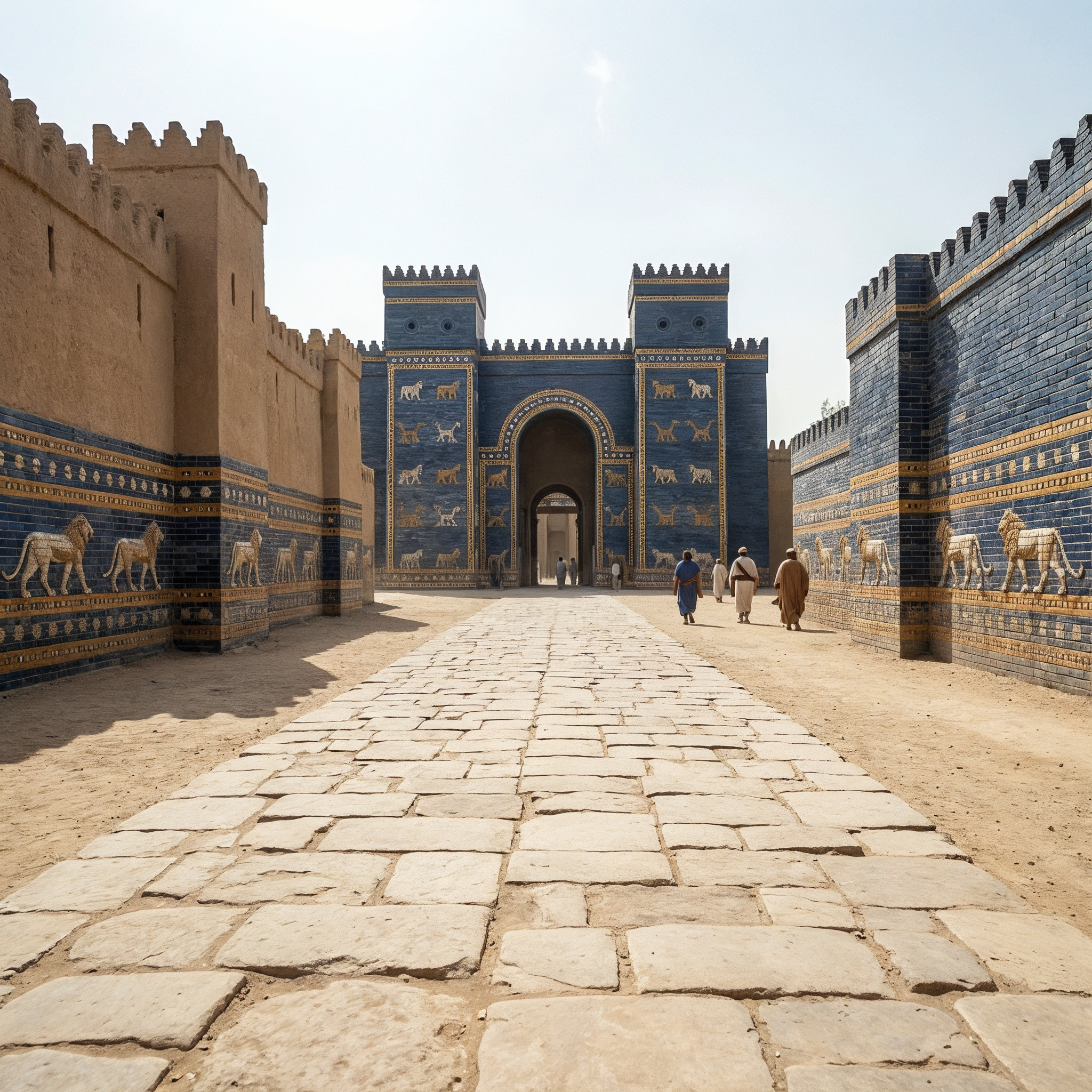 and he called out for the enchanters, the Chaldeans, and the astrologers to be brought in. The king told those Babylonian wise men, “Anyone who can read this writing and tell me its interpretation will be dressed in royal robes and will have a chain of gold placed around his neck, and he’ll become the third ruler in the kingdom.”