Note: This view shows ‘verses’ which are not necessarily natural language units and hence sometimes only part of a sentence will be visible—click on any Bible version abbreviation down the left-hand side to see the verse in more of its context. Normally the OET discourages the reading of individual ‘verses’, but this view is only designed as a tool for Bible-translators and others doing comparisons of different translations—the older translations are further down the page (so you can read up from the bottom to trace the English translation history). The OET segments on this page are still early looks into the drafted texts of the Open English Translation of the Bible—please double-check these texts in advance before using in public.
ULT But you have lifted yourself up against the Lord of the heavens. And the vessels of his house have been brought before you, and you and your nobles, your wives and your concubines have been drinking wine from them, and the gods of silver and gold, bronze, iron, wood, and stone, which are not seeing and are not hearing and are not knowing, you have praised, but the God who, your breath, is in his hand and all of your ways, are to him, you have not honored.
UST Instead, you have considered yourself to be greater than God, who reigns in heaven. You have commanded your servants to bring you the cups from his temple in Jerusalem. You, your officials, your wives, and your concubines have been drinking from those cups. You have been making toasts in honor of your own gold. silver, bronze. iron, wood, and stone idols. Those idols represent gods that are not real. They cannot see, hear, or know anything! You have not honored the God who keeps you alive and who controls everything that happens to you.
BSB & MSB Instead, you have exalted yourself against the Lord of heaven. The vessels from His house were brought to you, and as you drank wine from them with your nobles, wives, and concubines, you praised [your] gods of silver and gold, bronze and iron, wood and stone, which cannot see or hear or understand. But you have failed to glorify the God who holds in His hand your very breath and all your ways.
OEB No OEB DAN book available
WEBBE & WMBB but have lifted up yourself against the Lord of heaven; and they have brought the vessels of his house before you, and you and your lords, your wives, and your concubines, have drunk wine from them. You have praised the gods of silver and gold, of bronze, iron, wood, and stone, which don’t see, or hear, or know; and you have not glorified the God in whose hand your breath is, and whose are all your ways.
NET Instead, you have exalted yourself against the Lord of heaven. You brought before you the vessels from his temple, and you and your nobles, together with your wives and concubines, drank wine from them. You praised the gods of silver, gold, bronze, iron, wood, and stone – gods that cannot see or hear or comprehend! But you have not glorified the God who has in his control your very breath and all your ways!
LSV and against the Lord of the heavens you have lifted up yourself; and the vessels of His house they have brought in before you, and you, and your great men, your wives, and your concubines, are drinking wine with them, and gods of silver, and of gold, of bronze, of iron, of wood, and of stone, that are not seeing, nor hearing, nor knowing, you have praised: and the God in whose hand [is] your breath, and all your ways, Him you have not honored.
FBV You have arrogantly defied the Lord of heaven and you had the cups and bowls of his Temple brought to you. You and your nobles, your wives and concubines, drank wine from them as you praised gods made of silver, gold, bronze, iron, wood, and stone that can't see or hear or know anything. But you have not honored God who holds in his hand your very breath and everything you do.
T4T You have considered yourself to be greater than God, the Lord of heaven. So you have commanded your servants to bring to you these sacred cups, which were dedicated to the Supreme God, and which were taken from his temple in Jerusalem. You and your officials and your wives and your ◄concubines/slave wives► have been drinking wine from these cups, while you have been praising your own gods—gods which are made of gold and silver and bronze and iron and wood and stone. Those are gods that cannot see, that cannot hear, and that do not know anything! You have not honored the God who gives you breath and who controls everything that happens to you.
LEB And now you have exalted yourself against the Lord of heaven, and the vessels of his temple you have brought in before you, and you and your lords,[fn] your wives and your concubines, have been drinking wine from[fn] them, and you have praised the gods of silver, gold, bronze, iron, wood, and stone[fn] that do not see and do not hear and do not know, but the God ⌊who holds your life in his hand⌋[fn] and all of your ways ⌊come from him⌋,[fn] you have not honored.
BBE But you have been lifting yourself up against the Lord of heaven, and they have put the vessels of his house before you, and you and your lords, your wives and your women, have taken wine in them; and you have given praise to gods of silver and gold, of brass and iron and wood and stone, who are without the power of seeing or hearing, and without knowledge: and to the God in whose hand your breath is, and whose are all your ways, you have not given glory;
Moff you uplifted yourself against the Lord of heaven, by having the vessels of his house brought in before you, and from them you and your lords, your consorts and your concubines, have drunk wine, praising gods of silver and gold, bronze, iron, wood, and stone, which can neither see nor hear nor understand; you have not glorified the God who holds in his own power your breath of life and all your destiny. Hence 24 the palm of the hand was sent from his presence, and this writing was inscribed.
JPS but hast lifted up thyself against the Lord of heaven; and they have brought the vessels of His house before thee, and thou and thy lords, thy consorts and thy concubines, have drunk wine in them; and thou hast praised the gods of silver, and gold, of brass, iron, wood, and stone, which see not, nor hear, nor know; and the God in whose hand thy breath is, and whose are all thy ways, hast thou not glorified;
ASV but hast lifted up thyself against the Lord of heaven; and they have brought the vessels of his house before thee, and thou and thy lords, thy wives and thy concubines, have drunk wine from them; and thou hast praised the gods of silver and gold, of brass, iron, wood, and stone, which see not, nor hear, nor know; and the God in whose hand thy breath is, and whose are all thy ways, hast thou not glorified.
DRA But hast lifted thyself up against the Lord of heaven: and the vessels of his house have been brought before thee: and thou, and thy nobles, and thy wives, and thy concubines have drunk wine in them: and thou hast praised the gods of silver, and of gold, and of brass, of iron, and of wood, and of stone, that neither see, nor hear, nor feel: but the God who hath thy breath in his hand, and all thy ways, thou hast not glorified.
YLT and against the Lord of the heavens thou hast lifted up thyself; and the vessels of His house they have brought in before thee, and thou, and thy great men, thy wives, and thy concubines, are drinking wine with them, and gods of silver, and of gold, of brass, of iron, of wood, and of stone, that are not seeing, nor hearing, nor knowing, thou hast praised: and the God in whose hand [is] thy breath, and all thy ways, Him thou hast not honoured.
Drby but hast lifted up thyself against the Lord of the heavens; and they have brought the vessels of his house before thee, and thou and thy nobles, thy wives and thy concubines, have drunk wine in them; and thou hast praised the [fn]gods of silver and gold, of brass, iron, wood, and stone, which see not, nor hear, nor know; and the [fn]God in whose hand thy breath is, and whose are all thy ways, hast thou not glorified:
RV but hast lifted up thyself against the Lord of heaven; and they have brought the vessels of his house before thee, and thou and thy lords, thy wives and thy concubines, have drunk wine in them; and thou hast praised the gods of silver, and gold, of brass, iron, wood, and stone, which see not, nor hear, nor know: and the God in whose hand thy breath is, and whose are all thy ways, hast thou not glorified:
(but hast lifted up thyself/yourself against the Lord of heaven; and they have brought the vessels of his house before thee/you, and thou/you and thy/your lords, thy/your wives and thy/your concubines, have drunk wine in them; and thou/you hast praised the gods of silver, and gold, of brass, iron, wood, and stone, which see not, nor hear, nor know: and the God in whose hand thy/your breath is, and whose are all thy/your ways, hast thou/you not glorified:)
SLT And against the Lord of the heavens thou didst lift up thyself; and for the vessels of his house they brought before thee, and thou and thy nobles, and thy wives, and thy concubines, drinking wine in them; and to the gods of silver and gold, brass, iron, wood, and stone, who see not, and hear not, and know not, thou didst praise: and to the God whom thy breath in his hand, and all thy ways to him, thou didst not honor.
Wbstr But hast lifted up thyself against the Lord of heaven; and they have brought the vessels of his house before thee, and thou, and thy lords, thy wives, and thy concubines, have drank wine in them; and thou hast praised the gods of silver, and gold, of brass, iron, wood, and stone, which see not, nor hear, nor know: and the God in whose hand thy breath is , and whose are all thy ways, thou hast not glorified.
KJB-1769 But hast lifted up thyself against the Lord of heaven; and they have brought the vessels of his house before thee, and thou, and thy lords, thy wives, and thy concubines, have drunk wine in them; and thou hast praised the gods of silver, and gold, of brass, iron, wood, and stone, which see not, nor hear, nor know: and the God in whose hand thy breath is, and whose are all thy ways, hast thou not glorified:
(But hast lifted up thyself/yourself against the Lord of heaven; and they have brought the vessels of his house before thee/you, and thou/you, and thy/your lords, thy/your wives, and thy/your concubines, have drunk wine in them; and thou/you hast praised the gods of silver, and gold, of brass, iron, wood, and stone, which see not, nor hear, nor know: and the God in whose hand thy/your breath is, and whose are all thy/your ways, hast thou/you not glorified:)
KJB-1611 But hast lifted vp thy selfe against the LORD of heauen, and they haue brought the vessels of his house before thee, and thou and thy lords, thy wiues and thy concubines haue drunke wine in them, and thou hast praised the gods of siluer, and golde, of brasse, yron, wood and stone, which see not, nor heare, nor knowe: and the God in whose hande thy breath is, and whose are all thy wayes, hast thou not glorified.
(But hast lifted up thyself/yourself against the LORD of heaven, and they have brought the vessels of his house before thee/you, and thou/you and thy/your lords, thy/your wives and thy/your concubines have drunk wine in them, and thou/you hast praised the gods of silver, and gold, of brass, iron, wood and stone, which see not, nor hear, nor know: and the God in whose hand thy/your breath is, and whose are all thy/your ways, hast thou/you not glorified.)
Bshps But hast lift vp thy selfe against the Lorde of heauen, so that the vessels of his house were brought before thee, that thou and thy princes, with thy wyues and concubines, might drinke wine thereout: and thou hast praysed the gods of siluer and golde, of brasse and iron, of wood and stone, which neither see, heare, nor vnderstand: As for the God in whose hande consisteth thy breath and all thy wayes, thou hast not glorified him.
(But hast lift up thyself/yourself against the Lord of heaven, so that the vessels of his house were brought before thee/you, that thou/you and thy/your princes, with thy/your wives and concubines, might drink wine thereout: and thou/you hast praised the gods of silver and gold, of brass and iron, of wood and stone, which neither see, hear, nor understand: As for the God in whose hand consisteth thy/your breath and all thy/your ways, thou/you hast not glorified him.)
Gnva But hast lift thy selfe vp against the Lord of heauen, and they haue brought the vessels of his House before thee, and thou and thy princes, thy wiues and thy concubines haue drunke wine in them, and thou hast praysed the gods of siluer and golde, of brasse, yron, wood and stone, which neither see, neither heare, nor vnderstand: and the God in whose hand thy breath is and all thy wayes, him hast thou not glorified.
(But hast lift thyself/yourself up against the Lord of heaven, and they have brought the vessels of his House before thee/you, and thou/you and thy/your princes, thy/your wives and thy/your concubines have drunk wine in them, and thou/you hast praised the gods of silver and gold, of brass, iron, wood and stone, which neither see, neither hear, nor understand: and the God in whose hand thy/your breath is and all thy/your ways, him hast thou/you not glorified.)
Cvdl but hast magnified thy selff aboue the LORDE off heauen, so that the vessels off his house were brought before the: that thou, and thy lordes, with thy quene and concubynes, might drynke wyne therout: And hast praysed the Idols of syluer and golde, copper and yron, off wodde & stone: As for the God, in whose honde consisteth thy breth ad all thy wayes: thou hast not loaued him.
(but hast magnified thyself/yourself above the LORD off heaven, so that the vessels off his house were brought before them: that thou/you, and thy/your lords, with thy/your queen and concubines, might drink wine therout: And hast praised the Idols of silver and gold, copper and iron, off wodde and stone: As for the God, in whose hand consisteth thy/your breath and all thy/your ways: thou/you hast not loaued him.)
Wycl but thou were reisid ayens the Lord of heuene, and the vessels of his hous weren brouyt bifore thee, and thou, and thi beste men, and thi wyues, and thi concubyns, drunken wyn in tho vessels; and thou heriedist goddis of siluer, and of gold, and of bras, and of irun, and of tree, and of stoon, that seen not, nether heren, nether feelen; certis thou glorifiedist not God, that hath thi blast, and alle thi weies in his hond.
(but thou/you were raised against the Lord of heaven, and the vessels of his house were brought before thee/you, and thou/you, and thy/your best men, and thy/your wives, and thy/your concubyns, drunken wine in those vessels; and thou/you heried gods of silver, and of gold, and of brass, and of iron, and of tree, and of stone, that seen not, neither hearing, neither feelen; certainly/surely thou/you glorified not God, that hath/has thy/your blast, and all thy/your ways in his hand.)
Luth sondern hast dich wider den HErr’s des Himmels erhoben, und die Gefäße seines Hauses hat man vor dich bringen müssen; und du, deine Gewaltigen, deine Weiber und deine Kebsweiber habt daraus gesoffen, dazu die silbernen, güldenen, ehernen, eisernen, hölzernen, steinernen Götter gelobet, die weder sehen, noch hören, noch fühlen; den GOtt aber, der deinen Odem und alle deine Wege in seiner Hand hat, hast du nicht geehret.
(rather have you/yourself against the LORD’s the heavens raised, and the vessels/containers his houses(n) has man before/in_front_of you/yourself bring/get must; and you(sg), your mighty_(ones), your women and your concubine have from_it gesoffen, to_that/in_addition the silvery, golden, brazen, iron, wooden, stone gods praised, the neither see, still hear/listen, still feel/sense; the God but, the/of_the your(s) breath and all your ways in his hand has, have you(sg) not honoured.)
ClVg sed adversum Dominatorem cæli elevatus es: et vasa domus ejus allata sunt coram te, et tu, et optimates tui, et uxores tuæ, et concubinæ tuæ vinum bibistis in eis: deos quoque argenteos, et aureos, et æreos, ferreos, ligneosque et lapideos, qui non vident, neque audiunt, neque sentiunt, laudasti: porro Deum, qui habet flatum tuum in manu sua, et omnes vias tuas, non glorificasti.
(but against Dominatorem heavens elevatus you_are: and vessels/utensils home his/her allata are before you(sg), and you(sg), and aristocracy yours(sg), and wives yours, and concubines yours wine bibistis in/into/on to_them: the_gods too silver_(ones), and gold, and bronze, irons, ligneosque and stoneos, who/which not/no they_see, nor they_hear, nor they_feel, praisesti: besides/further God, who/which has breathm your(sg) in/into/on by_hand his_own, and everyone ways/roads yours, not/no glorificasti.)
SOTN SIL Open Translator’s Notes:
Section 5:1–31: God judged King Belshazzar
The author continued to write in the Aramaic language. He wrote about how King Belshazzar gave a big banquet and made use of the sacred treasures from the Jerusalem temple. Belshazzar saw a hand writing a mysterious message on the wall. Only Daniel was able to explain the message, that God was about to punish Belshazzar. That same night an army of Medes and Persians conquered the city and killed Belshazzar.
English versions give different headings to Daniel 5. These include:
The Handwriting on the Wall (GW)
The Writing on the Wall (NIV)
King Belshazzar’s Banquet (CEV)
In some languages it may be more natural to write the heading in the form of a clause. For example, you could say:
King Belshazzar saw a hand write on the wall.
King Belshazzar had/gave a banquet/feast.
Some versions give headings to the subsections of Daniel 5. For example, the NLT has two headings:
The Writing on the Wall (5:1)
Daniel explains the writing (5:13)
The NRSV has three headings:
Belshazzar’s Feast (5:1)
The Writing on the Wall (5:5)
The Writing on the Wall Interpreted (5:13)
You should decide the number of headings that is best in your translation. The purpose of headings is to help readers to follow the events of the story. Headings also help the reader understand the relationships between the different parts of the story. You should try not to have more headings than necessary.
Historical Background:
Nabonidus was the king of Babylon from 556 to 539 B.C. Historical records indicate that he married Nitocris, the daughter of Nebuchadnezzar, and that Belshazzar was their oldest son.See the ancient Greek historian Herodotus and the Nabonidus Chronicles. While Nabonidus was absent from Babylon during the last ten years of his reign, Belshazzar acted as king in his place.
Daniel 5 describes the last night of the Babylonian empire. From other historic sources we know that Cyrus, the king of Persia, attacked the Babylonian army during the 7th month of the year 539 B.C. On the 15th day of that month, they attacked the town of Sippar and King Nabonidus fled. The next day Cyrus’ army entered the city of Babylon without any battle and killed its ruler, Belshazzar. Daniel 5 describes what Belshazzar was doing on the last day of the Babylonian empire.
Paragraph 5:22–24
Daniel continued speaking to King Belshazzar in 5:22, but he changed the topic. He began to rebuke the king.
5:23a
Instead, you have exalted yourself against the Lord of heaven.
Instead, you(sing) defied the Lord of heaven.
Instead of humbling yourself, you(sing) rebelled against the one/God who rules in heaven.
Instead, you have exalted yourself against the Lord of heaven: The Aramaic connector that the BSB translates as Instead here introduces a contrast. The contrast is between what Nebuchadnezzar should have done (humbled himself, 5:22a) and what he actually did. Here are some other ways to translate this:
but you have exalted yourself against the Lord of heaven (NASB)
You have exalted yourself against the Lord of heaven! (NRSV)
but you have lifted up yourself against the Lord of heaven (RSV)
you have exalted yourself: The Aramaic expression that the BSB translates as exalted yourself is literally “lifted/raised yourself.” This is an idiom that in this context means to challenge God’s authority. Here are some examples of ways to translate this:
You have defied (NJB)
You rebelled against
You turned against him (CEV)
the Lord of heaven: The Aramaic word that the BSB translates Lord is a title that people called an important person who had authority over them. For example, sometimes people addressed the king (4:16, 21) or God (2:47) with this title. In this context, it refers to God. Other ways modern versions translate this are:
the Lord who rules in heaven
the highest LordGeCL97.
the God of heavenBFrCL88.
5:23b
The vessels from His house were brought to you,
The vessels from His house were brought to you: The Aramaic text is more literally “and they have brought the vessels of his house before you.” There are several ways to translate this clause:
Use a passive verb. For example:
the vessels of his house have been brought in before you (RSV)
Use an active verb. In this context the subject is indefinite. In some languages it may be necessary to make the subject explicit. For example:
Your servants brought the vessels from God’s temple to you.
Indicate that the king himself was the cause of the action. Examples of ways to do this include:
you caused the goblets from the temple to be brought to you
you ordered your servants to bring you the vessels from God’s temple.
The vessels from His house: The phrase The vessels from His house refers to the cups and bowls that the priests had used to offer sacrifices in the temple in Jerusalem. See the Notes at 5:2b-c. Here are some other ways to refer to these items:
cups (NLT)
cups and bowls (GNT)
utensils (GW)
His house: This phrase refers to the building where the Jews worshiped and offered sacrifices to God in Jerusalem. God was present there in a special way. See the Notes on “temple” at 5:2c, 5:3a. For help on how to translate this term, see “temple” in KBT.
to you: The Aramaic expression that the BSB translates as to you in this context means “in front of you.” In some languages this information is implied by the context. Here is another way to translate this:
here (CEV)
5:23c
and as you drank wine from them with your nobles, wives, and concubines,
Then you(sing) and your(sing) nobles/officials, your(sing) wives and your(sing) concubines drank wine from them,
Then you(sing) and your(sing) leading/important men/guests, your(sing) wives and your(sing) secondary wives used them for drinking!
and as you drank wine from them with your nobles, wives, and concubines: In the Aramaic text the word wine is left implied. In many languages it is good to follow the BSB and supply the object wine. The king and his guests drank an alcoholic drink made from grapes using the sacred vessels as their cups. See 5:1b. Other ways to translate this clause include:
Then you and your royal guests, your wives, and your slave women drank wine from them. (NCV)
You and your nobles and your wives and concubines have been drinking wine from them (NLT)
and: The Aramaic connector that the BSB translates as and here introduces the next thing that happened. Here is another way to translate this:
Then (NCV)
Some English versions do not include an explicit connector since this idea is implied by the context.
drank: The Aramaic verb that the BSB translates drank is a participle. Here it refers to an action that had been taking place for several hours. It may or may not have stopped by this time. Use the verb form that is natural in your language. For example:
have been drinking (NRSV)
have drunk (NJB)
your nobles: These men were important officials and friends of the king. See the Notes on nobles at 5:1a and 5:2d. Translate it here as you did there. For example:
your lords (RSV)
your noblemen (GNT)
officials (CEV)
wives: See the Notes at 5:2d. Translate here as you did there.
and concubines: See the Notes at 5:2d. Translate here as you did there.
5:23d
you praised your gods of silver and gold, bronze and iron, wood and stone,
and you(sing) praised the gods that people had made from gold and silver, bronze, iron, wood, and stone,
While drinking, you(sing) praised your(plur) idols, idols formed from gold and silver, bronze, iron, wood and stone.
The Aramaic text connects this verse part to 5:23c with the common connector that the RSV translates as “and.” Here it introduces what the king and his guests did while they were drinking. The BSB does not explicitly translate this connector. Introduce this verse part in a way that is natural in your language. The two events (drinking the wine, 5:23c, and praising the false gods, 5:23d) happened at the same time. One way to translate this is:
while praising gods… (NLT)
you praised your gods of silver and gold, bronze and iron, wood and stone: See the notes at 5:4b. The phrase gods of silver and gold, bronze and iron, wood and stone indicates that Belshazzar praised some idols that were made of silver, some other idols made of gold, others made of bronze, and so on. The people made their gods (idols) from, or out of, these materials. In order to make this clear, you may need to say:
You praised the gods that men made/formed from silver, from gold, from bronze, from iron, from wood, and from stone.
You praised gods made from silver, gods made from gold, and other gods made from bronze, iron, wood and/or stone.
you praised: Nebuchadnezzar and his guests had done this together. See 5:4a–b and the notes there. However, the Aramaic verb you praised is singular here. Daniel focused upon what the king had done. Try to keep this focus in your translation. If a literal translation would indicate that only the king had done this, it may be necessary to say:
together with your guests, you(sing) praised
your gods: See the Notes at 2:11b; 5:4b. The Babylonians worshiped many different gods, all of them false. In some languages, the word “god” only refers to the one true God. If that is true in your language, you may have to use a different word for gods here. For example:
evil spirits
the beings they worshiped
idols
The NCV adds the implied information:
gods…that are not really gods (NCV)
Translate this idea in the way that is most natural in your language.
gold: See the Notes at 5:2b.
silver: See the Notes at 5:2b
bronze: See the Notes at 2:32c; 5:4b.
iron: See the Notes at 2:33a; 5:4b.
wood: See the Notes at 5:4b.
stone: See the Notes at 5:4b.
5:23e
which cannot see or hear or understand.
even though these gods do not see, hear, or know anything.
These idols see nothing, hear nothing, and understand nothing!
which cannot see or hear or understand: The Aramaic word that the BSB translates as which refers back to the word “gods” in the previous verse part. In some languages it may be necessary to make this explicit. For example:
these gods can’t see, hear, or know anything (GW)
gods that cannot see or hear and that do not know anything (GNT)
In some languages it may be necessary to make explicit that this was contrary to expectation. It was strange and useless to worship such gods. For example:
even though they cannot see or hear or think (CEV)
cannot see or hear or understand: The Aramaic verbs that the BSB translates as cannot see, hear, and understand are more literally “are not seeing, hearing and knowing.” In this context the verb form expresses continuous or habitual action.The verbs are participles. Indicate this meaning in a way that is natural in your language. For example:
gods that neither see nor hear nor know anything (NLT)
which can neither see, hear nor understand (NJB)
understand: The Aramaic verb that the BSB translates as understand and the RSV as “know” here refers to any kind of thinking. In some languages it may be necessary to add an object. For example:
understand anything (NCV)
know anything (GNT)
5:23f
But you have failed to glorify the God
But you have failed to glorify the God: The Aramaic connector that the BSB translates as But here introduces a contrast between what Belshazzar did in 5:23d–e, praise false gods, and what he should have done but did not do, honor the true God.
you have failed to glorify the God: The Aramaic word that the BSB translates as glorify in this context means to praise and worship. The same Aramaic word occurs in 4:34 and 37. Here are some other ways to translate this expression:
you have given no glory to the God (NJB)
you have not given glory to God (REB)
you have not declared how great God is
the God: The Aramaic word that the BSB translates as the God has a definite article, the. Daniel focused on the unique identity of God. English versions, however, differ as to whether they use the article or not. For example:
God (REB)
It is important that your translation does not imply that Daniel thought that there was more than one God. Translate in a way that is natural in your language. In some languages you may be able to say:
the true God
General Comment on 5:23f
In some languages it may be possible to indicate the contrast by emphasizing the word “God.” For example, in English the word “God” can be emphasized by placing it at the beginning of the clause:
But God you have not honored
5:23g
who holds in His hand your very breath and all your ways.
who holds in His hand your very breath: The Aramaic words meaning hand and breath are both used figuratively. The word hand is used to mean “power.” The word breath is used to mean “life.” Consider if either of these metaphors are natural in your language. In many languages it may be natural to translate the meaning directly. Here are some ways to translate this clause:
who gives you breath (CEV)
has power over your life (GW)
who determines whether you live or die (GNT)
and all your ways: The Aramaic phrase that the BSB translates as and all your ways here indicates that God had power over all Belshazzar’s ways or paths. The word meaning ways is used figuratively. In this context it refers to what will happen to a person in the future. Here are some other ways to translate this idea:
everything that will happen to you
your destiny (NLT)
the course/events of your life
General Comment on 5:23f–g
In some languages it may be natural to emphasize the contrast between the idols and the true God by reversing the order of 5:23f–g. For example:
23gBut the God who has power over your life and all your ways—23fhim you have failed/refused to honor.
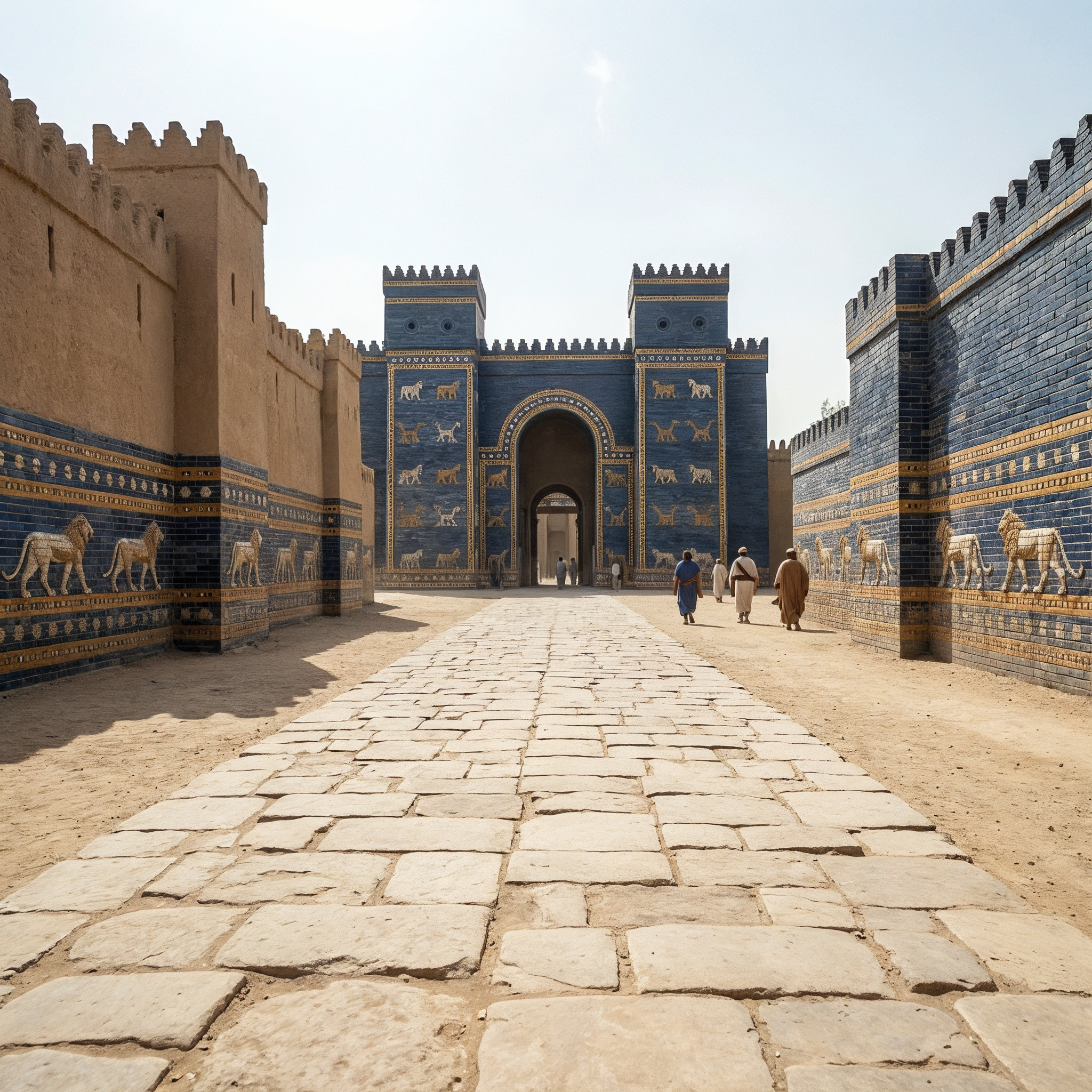 On the contrary, you’ve proudly promoted yourself as being greater than the master of the heavens. You brought the temple cups in here and you and your nobles, your wives and your concubines, have drunk wine from them. You praised the gods made from silver and gold, bronze, iron, wood, and stone, which can’t see, or hear, or know anything, yet you haven’t honoured the god who decides your future and every breath that you take.