Note: This view shows ‘verses’ which are not necessarily natural language units and hence sometimes only part of a sentence will be visible—click on any Bible version abbreviation down the left-hand side to see the verse in more of its context. Normally the OET discourages the reading of individual ‘verses’, but this view is only designed as a tool for Bible-translators and others doing comparisons of different translations—the older translations are further down the page (so you can read up from the bottom to trace the English translation history). The OET segments on this page are still early looks into the drafted texts of the Open English Translation of the Bible—please double-check these texts in advance before using in public.
ULT There is a man in your kingdom in whom, is the spirit of the holy gods. And in the days of your father, light and understanding and wisdom like the wisdom of the gods were found in him. And King Nebuchadnezzar, your father, your father the king, set him up, as chief of the magicians, enchanters, Chaldeans, diviners,
UST There is a man in your kingdom who has the spirit of the holy gods in him. When your grandfather Nebuchadnezzar was ruling, they discovered that this man could understand many things. He was very wise, like the gods. Your grandfather King Nebuchadnezzar, who was one of the kings before you, made him the leader of all the different wise men of Babylon.
BSB & MSB There is a man in your kingdom who has the spirit of the holy gods in him. In the days of your father he was found to have insight, intelligence, and wisdom like [that] of the gods.
§ Your father, King Nebuchadnezzar, appointed him chief of the magicians, enchanters, astrologers, [and] diviners. Your own father, the king,
OEB No OEB DAN 5:11 book available
WEBBE There is a man in your kingdom in whom is the spirit of the holy gods; and in the days of your father, light and understanding and wisdom, like the wisdom of the gods, were found in him. The king, Nebuchadnezzar, your father—yes, the king, your father—made him master of the magicians, enchanters, Chaldeans, and soothsayers,
WMBB There is a man in your kingdom in whom is the spirit of the holy gods; and in the days of your father, light and understanding and wisdom, like the wisdom of the gods, were found in him. The king, Nebuchadnezzar, your father—yes, the king, your father—made him master of the magicians, enchanters, Kasdim, and soothsayers,
NET There is a man in your kingdom who has within him a spirit of the holy gods. In the days of your father, he proved to have insight, discernment, and wisdom like that of the gods. King Nebuchadnezzar your father appointed him chief of the magicians, astrologers, wise men, and diviners.
LSV there is a man in your kingdom in whom [is] the spirit of the holy gods: and in the days of your father, light, and understanding, and wisdom—as the wisdom of the gods—was found in him; and your father King Nebuchadnezzar, chief of the scribes, enchanters, Chaldeans, soothsayers, established him—your father, O king—
FBV There's a man in your kingdom who has the spirit of the holy gods in him. In your father's[fn] time he was found to have understanding and insight, and wisdom like that of the gods. Your Majesty's father, King Nebuchadnezzar put him in charge of the magicians, enchanters, astrologers, and diviners. Your father did this
T4T There is a man in your kingdom who has the spirit of the holy gods in him. When Nebuchadnezzar was ruling, they discovered that this man understood many things and was wise, just like the gods. The man who was king previously, Nebuchadnezzar, appointed him to be in charge of all the men in Babylon who worked magic, the men who worked sorcery, the men who studied the stars, and the fortune-tellers.
LEB There is a man in your kingdom ⌊who has the spirit of the holy gods in him⌋.[fn] And in the days of your ⌊predecessor⌋,[fn] enlightenment and insight and wisdom like the wisdom of the gods was found in him; and, O king, Nebuchadnezzar your ⌊predecessor⌋[fn] appointed him as chief of the magicians,[fn] the conjurers,[fn] the ⌊astrologers⌋,[fn] and the diviners. Your ⌊predecessor⌋[fn] the king did this
BBE There is a man in your kingdom in whom is the spirit of the holy gods; and in the days of your father, light and reason like the wisdom of the gods were seen in him: and King Nebuchadnezzar, your father, made him master of the wonder-workers, and the users of secret arts, and the Chaldaeans, and the readers of signs;
Moff within your realm there is a man in whom is the spirit of the gods divine. In the days of your father, light and learning and wisdom like the wisdom of the gods themselves were found in him, so that king Nebuchadnezzar, your father, himself made him master of the magicians, enchanters, diviners, and astrologers,
JPS there is a man in thy kingdom, in whom is the spirit of the holy gods; and in the days of thy father light and understanding and wisdom, like the wisdom of the gods, was found in him; and the king Nebuchadnezzar thy father, the king, I say, thy father, made him master of the magicians, enchanters, Chaldeans, and astrologers;
ASV There is a man in thy kingdom, in whom is the spirit of the holy gods; and in the days of thy father light and understanding and wisdom, like the wisdom of the gods, were found in him; and the king Nebuchadnezzar thy father, the king, I say, thy father, made him master of the magicians, enchanters, Chaldeans, and soothsayers;
DRA Verse alignment unavailable (unsupported).
YLT there is a man in thy kingdom in whom [is] the spirit of the holy gods: and, in the days of thy father, light, and understanding, and wisdom — as the wisdom of the gods — was found in him; and king Nebuchadnezzar thy father, chief of the scribes, enchanters, Chaldeans, soothsayers, established him — thy father, O king —
Drby There is a man in thy kingdom in whom is the spirit of the holy [fn]gods; and in the days of thy father, light and understanding and wisdom, like the wisdom of the [fn]gods was found in him; and the king Nebuchadnezzar thy father, [even] the king thy father, made him master of the scribes, magicians, Chaldeans, [and] astrologers;
RV There is a man in thy kingdom, in whom is the spirit of the holy gods; and in the days of thy father light and understanding and wisdom, like the wisdom of the gods, was found in him: and the king Nebuchadnezzar thy father, the king, I say, thy father, made him master of the magicians, enchanters, Chaldeans, and soothsayers;
(There is a man in thy/your kingdom, in whom is the spirit of the holy gods; and in the days of thy/your father light and understanding and wisdom, like the wisdom of the gods, was found in him: and the king Nebuchadnezzar thy/your father, the king, I say, thy/your father, made him master of the magicians, enchanters, Chaldeans, and soothsayers;)
SLT There is a man in thy kingdom that the spirit of the holy gods in him; and in the days of thy father, his light and his understanding and wisdom according to the wisdom of the gods was found in him; and king Nebuchadnezzar thy father, the king thy father, set him up leader of the sacred scribes, the enchanters, the Chaldeans, the diviners:
Wbstr There is a man in thy kingdom, in whom is the spirit of the holy gods; and in the days of thy father light and understanding and wisdom, like the wisdom of the gods, was found in him; whom the king Nebuchadnezzar thy father, the king, I say , thy father, made master of the magicians, astrologers, Chaldeans, and sooth-sayers;
KJB-1769 There is a man in thy kingdom, in whom is the spirit of the holy gods; and in the days of thy father light and understanding and wisdom, like the wisdom of the gods, was found in him; whom the king Nebuchadnezzar thy father, the king, I say, thy father, made master of the magicians, astrologers, Chaldeans, and soothsayers;[fn]
(There is a man in thy/your kingdom, in whom is the spirit of the holy gods; and in the days of thy/your father light and understanding and wisdom, like the wisdom of the gods, was found in him; whom the king Nebuchadnezzar thy/your father, the king, I say, thy/your father, made master of the magicians, astrologers, Chaldeans, and soothsayers;)
KJB-1611 There is a man in thy kingdom, in whome is the spirit of the holy gods, and in the dayes of thy [fn]father light and vnderstanding and wisedome like the wisedome of the gods, was found in him: whom the king Nebuchad-nezzar thy [fn]father, the king, Isay, thy father made master of the magicians, astrologers, Caldeans, and soothsayers,
(There is a man in thy/your kingdom, in whom is the spirit of the holy gods, and in the days of thy/your father light and understanding and wisdom like the wisdom of the gods, was found in him: whom the king Nebuchad-nezzar thy/your father, the king, Isay, thy/your father made master of the magicians, astrologers, Chaldeans, and soothsayers,)
Bshps There is a man in thy kingdome that hath the spirite of the holy Gods within him: & in the dayes of thy father, light, and vnderstanding, & wysdome, like the wysedome of the gods, was founde in hym, whom the king Nabuchodonozor thy father, the king I say thy father made chiefe of the wyse men, soothsayers, Chaldeans, and wysardes.
(There is a man in thy/your kingdom that hath/has the spirit of the holy Gods within him: and in the days of thy/your father, light, and understanding, and wisdom, like the wisdom of the gods, was found in him, whom the king Nabuchodonozor thy/your father, the king I say thy/your father made chief of the wise men, soothsayers, Chaldeans, and wizards.)
Gnva There is a man in thy kingdome, in whom is the spirit of the holy gods, and in the dayes of thy father light and vnderstanding and wisdome like the wisdome of the gods, was found in him: whom the King Nebuchad-nezzar thy father, the King, I say, thy father, made chiefe of the enchanters, astrologians, Caldeans, and soothsayers,
(There is a man in thy/your kingdom, in whom is the spirit of the holy gods, and in the days of thy/your father light and understanding and wisdom like the wisdom of the gods, was found in him: whom the King Nebuchad-nezzar thy/your father, the King, I say, thy/your father, made chief of the enchanters, astrologians, Chaldeans, and soothsayers,)
Cvdl For why: there is a man in ye kyngdome, that hath the sprete off the holy goddes within him, as it was sene in thy fathers dayes. He hath vnderstondinge ad wysdome like the goddes. Yee the kynge Nabuchodonosor thy father made this man chefe of the soythsayers, charmers, Caldees and deuel coniurers:
(For why: there is a man in ye/you_all kingdom, that hath/has the spirit off the holy gods within him, as it was seen in thy/your fathers days. He hath/has understanding and wisdom like the gods. Ye/You_all the king Nebuchadnezzar thy/your father made this man chief of the soothsayers, charmers, Chaldees and devil conjurers:)
Wycl Verse alignment unavailable (unsupported).
Luth Es ist ein Mann in deinem Königreich, der den Geist der heiligen Götter hat. Denn zu deines Vaters Zeit ward bei ihm Erleuchtung erfunden, Klugheit und Weisheit, wie der Götter Weisheit ist; und dein Vater, König Nebukadnezar, setzte ihn über die Sternseher, Weisen, Chaldäer und Wahrsager,
(It is a man in your kingdom, the/of_the the spirit the/of_the holy gods has. Because to/for your(s) father time/period what/which at/in him enlightenment invented, wisdom and wise_(people), as/like the/of_the gods wise_(people) is; and your(s) father, king Nebuchadnezzar, sat him/it above the stargazer, wise_(men), Chaldeans and fortune-teller,)
ClVg Verse alignment unavailable (unsupported).
SOTN SIL Open Translator’s Notes:
Section 5:1–31: God judged King Belshazzar
The author continued to write in the Aramaic language. He wrote about how King Belshazzar gave a big banquet and made use of the sacred treasures from the Jerusalem temple. Belshazzar saw a hand writing a mysterious message on the wall. Only Daniel was able to explain the message, that God was about to punish Belshazzar. That same night an army of Medes and Persians conquered the city and killed Belshazzar.
English versions give different headings to Daniel 5. These include:
The Handwriting on the Wall (GW)
The Writing on the Wall (NIV)
King Belshazzar’s Banquet (CEV)
In some languages it may be more natural to write the heading in the form of a clause. For example, you could say:
King Belshazzar saw a hand write on the wall.
King Belshazzar had/gave a banquet/feast.
Some versions give headings to the subsections of Daniel 5. For example, the NLT has two headings:
The Writing on the Wall (5:1)
Daniel explains the writing (5:13)
The NRSV has three headings:
Belshazzar’s Feast (5:1)
The Writing on the Wall (5:5)
The Writing on the Wall Interpreted (5:13)
You should decide the number of headings that is best in your translation. The purpose of headings is to help readers to follow the events of the story. Headings also help the reader understand the relationships between the different parts of the story. You should try not to have more headings than necessary.
Historical Background:
Nabonidus was the king of Babylon from 556 to 539 B.C. Historical records indicate that he married Nitocris, the daughter of Nebuchadnezzar, and that Belshazzar was their oldest son.See the ancient Greek historian Herodotus and the Nabonidus Chronicles. While Nabonidus was absent from Babylon during the last ten years of his reign, Belshazzar acted as king in his place.
Daniel 5 describes the last night of the Babylonian empire. From other historic sources we know that Cyrus, the king of Persia, attacked the Babylonian army during the 7th month of the year 539 B.C. On the 15th day of that month, they attacked the town of Sippar and King Nabonidus fled. The next day Cyrus’ army entered the city of Babylon without any battle and killed its ruler, Belshazzar. Daniel 5 describes what Belshazzar was doing on the last day of the Babylonian empire.
Paragraph 5:10–12
The queen now entered the banquet hall and addressed the king.
5:11a
There is a man in your kingdom who has the spirit of the holy gods in him.
In this verse the queen explained the reason why the king should not be afraid. She knew someone who could solve the problem. In the Aramaic text, as in the BSB, this connection is left implicit. But in some languages it may be natural to introduce this clause with a word or phrase meaning “for” or “because.” For example:
For in your kingdom there lives a man who…
There is a man in your kingdom: In some languages it may be more natural to change the order of the words in this clause. For example:
There is in your kingdom a man (RSV)
In your kingdom there is a man (NJB)
For living in your kingdom is a man
in your kingdom: The Aramaic word that the BSB translates as kingdom in this context refers to the territory that the king ruled. This man lived in the land of Babylonia.
who has the spirit of the holy gods in him: The word gods is plural. The Babylonians believed in many gods. See the Notes at 4:8c. The queen believed that Daniel had received special wisdom from the gods. There are different ways to translate this. For example:
the spirit of the holy gods lives in him
to whom the holy gods have given their spirit
the holy/sacred gods have given him their power/wisdom
spirit: See the Notes at 4:8c. This expression here probably refers to wisdom or power/ability. Here is another way to translate this:
special powers (CEV)
the holy gods: See the Notes at 4:8c. The Aramaic word that the BSB translates as holy here describes the gods as completely different and separate from people. They belong to the supernatural realm. Here are some ways to translate this:
the gods, who are completely separate/different from human beings (TH)
the gods, who live above/afar
the gods on high
gods: The Aramaic word that the BSB translates gods is plural. It refers to more than one god. The queen, like the other Babylonians, believed in many gods.
5:11b
In the days of your father
In the time/days when your father/grandfather Nebuchadnezzar ruled,
When your predecessor King Nebuchadnezzar was king,
In the days of your father: This is a general expression that refers back to the time when Nebuchadnezzar was king. This was several decades before. You can translate this as:
When your father was king (GNT)
In the time of King Nebuchadnezzar
When Nebuchadnezzar was reigning/ruling
your father: The Aramaic word that the BSB translates as father can refer to a father, grandfather, male ancestor or even to a predecessor. In this context it is clear that the queen was referring to Nebuchadnezzar. However, Nebuchadnezzar was not Belshazzar’s father. He may have been his grandfather. That is, he may have been the father of the queen mother herself. See the notes on 5:10a. Here are some ways you may translate this:
You may refer to Nebuchadnezzar by name. For example:
During Nebuchadnezzar’s reign (NLT)
When Nebuchadnezzar, was king
You may use an expression for a predecessor, that is, someone who was king at some time before Belshazzar. For example:
your predecessor, King Nebuchadnezzar
You may refer to your father if this word can have a more general meaning of “ancestor” or “predecessor.” For example:
your father (GNT)
In many languages, it is natural to refer to the name of the person, the first time they are mentioned in a story. But either of the other options is also possible.
5:11c
he was found to have insight, intelligence, and wisdom like that of the gods.
he/we(excl) realized that this man had insight and understanding. His wisdom was like the wisdom of the gods.
this man showed that he could solve difficult problems and understand mysteries. He was as wise as the gods themselves.
he was found to have insight, intelligence, and wisdom like that of the gods: This is a passive clause. It indicates that King Nebuchadnezzar (and others in power at that time, perhaps including the queen herself) realized that Daniel was a very wise man. There are at least two ways to translate this:
Using a passive verb. The subject may be either Daniel himself, as in the BSB, or his gifts/abilities. For example:
light and understanding and wisdom, like the wisdom of the gods, were found in him (RSV)
he was known for a perception, intelligence and wisdom comparable to that of the gods (NJB)
Using an active verb. Various subjects are possible. For example:
the king found/saw that he had insight, intelligence, and wisdom like that of the gods
we (excl) realized/discovered that he was sensible, intelligent and as wise as the gods themselves
this man showed good sense, knowledge, and wisdom like the wisdom of the gods (GNT)
Translate this in a way that is natural in your language. Here are some other possibilities:
This Daniel…was found to have knowledge, judgment, and an extraordinary spirit. (GW)
This man showed himself to have insight and understanding. He was wise like the gods.
this man was known to be as smart, intelligent, and wise as the gods themselves (CEV)
insight: The Aramaic word that the BSB translates as insight is related to the word meaning “light.” Here it used figuratively to refer to the ability to understand the true meaning/significance of things.HALOT (1927) gives the definition “illumination of the mind.” Other ways English versions translate this are:
good sense (GNT)
understanding (NCV)
perception (NJB)
In some languages it may be more natural to include some implied information. For example:
insight into problems
intelligence: The Aramaic word that the BSB translates as intelligence is similar in meaning to the previous word. The Translator’s Handbook on Daniel explains that this word describes the “intelligence that enables a person to avoid errors or miscalculations.” English versions translate this expression in different ways:
good judgment (GW)
knowledge (GNT)
understanding (NLT)
In some languages it may be more natural to supply an implied object. For example:
and understood mysteries
wisdom like that of the gods: The Aramaic text compares the wisdom of Daniel to wisdom like that of the gods. Daniel’s wisdom was godlike, divine in quality or source. In some languages it may be natural to compare Daniel himself directly to the gods. For example:
as though he himself were a god (NLT)
wise as the gods themselves (CEV)
wisdom: The Aramaic word that the BSB translates as wisdom is a close synonym of the previous two words. It refers to the practical ability to think, speak, and act in a good and sensible way. See the Notes at 2:20b.The same word is used in 2:20c, 23, 30; 5:11, 14; Ezra 7:25. The corresponding Hebrew word is found in Daniel 1:4b, 7. In some languages it may be more natural to translate this as a clause. For example:
and he was able to make wise decisions
the gods: The Babylonians, including the speaker, the queen, believed in and worshiped many gods. See the Notes at 5:4.
General Comment on 5:11c
In some languages it may be natural to translate the abstract terms “insight,” “intelligence,” and “wisdom” as adjectives or verb phrases. For example:
When your father Nebuchadnezzar was king, this man was known to be as smart, intelligent and wise as the gods themselves (CEV)
When King Nebuchadnezzar was ruling Babylon, this man showed that he could solve difficult problems. He could understand mysteries that others could not understand. He was able to make wise decisions.
In some languages there may be two words or phrases that have the same meaning as the three Aramaic words. If that is true in your language, use those two words or phrases here.
5:11d
Your father, King Nebuchadnezzar, appointed him chief of the magicians, enchanters, astrologers, and diviners. Your own father, the king,
King Nebuchadnezzar, your father/grandfather the king, made him the chief/head of those who studied magic, those who made spells/charms, the astrologers, and the divination experts.
King Nebuchadnezzar, your predecessor—yes, King Nebuchadnezzar himself—put him in charge of all his scholars who studied magic, including the fortunetellers, the experts in spells/charms, the wizards, and the sorcerers.
In the Aramaic text this verse part connects to the previous verse part with a common conjunction that the BSB does not translate and the RSV translates as “and.” In this context it introduces what Nebuchadnezzar did when he realized how wise Daniel was. Indicate this in a way that is natural in your language. Here is another way to translate this:
So that (REB)
Your father, King Nebuchadnezzar: See the Note at 5:11b. Translate here in a way that is similar to what you did there. The reader should understand that the same man is referred to here and in 5:11b. You may choose not to translate the phrase Your father explicitly if you have already translated this in 5:11b. Refer back to Nebuchadnezzar in a way that is natural in your language.
appointed him chief of: The Aramaic phrase that the BSB translates as appointed him chief here indicates that Nebuchadnezzar gave Daniel the position of head or leading adviser. He put Daniel in charge of the other expert advisers. See the Notes at 2:48c. Here are some other ways to translate this:
made him head of (GW)
made master of (KJV)
put this man in charge of (NCV)
the magicians, enchanters, astrologers, and diviners: See the Notes and Display at 2:2a for a similar list. This list of experts probably consists of examples of various kinds of experts in the occult. In some languages you may have only one or two terms that refer to people who do these things. If that is true in your language, you may be able to begin the list with a general term like “chief of all the experts, such as….”
magicians: See the Notes at 2:2a. The Aramaic word that the BSB translates as magicians is a term for people who use occult means to determine the future or to learn secrets. Most English versions translate it as magicians. However, in this context the word “magician” does not have the modern meaning of someone who performs illusions or who does tricks. Translate this term in the same way you did at 2:2a.
enchanters: See the Notes at 2:2a; 5:7a.See also 2:10c, 27b; 4:4; 5:11, 15. The Aramaic word that the BSB translates as enchanters describes people who performed rituals in order to influence a person’s future. For example, sometimes they would try to cast a spell on someone by using a charm or magic. They also interpreted omens. You should use the same word you used in 5:7a.
astrologers: The Aramaic word that the BSB transliterates as astrologers is literally “Chaldeans.” It can have various meanings, depending on the context in which it is used. See for example the Notes at 1:4d. Here it refers to people who were experts in the occult and magical rites. They were also people who were skilled at solving mysteries. Use the same word that you used in 2:2a.
and diviners: See the Notes at 2:27; 4:7a; 5:7a.The term gzr occurs in 2:27; 4:7a; 5:7,11. HALOT (1844) says that it can have the more general meaning “seer” or alternately “soothsayer,” “fortune teller.” The meaning of the Aramaic word that the BSB translates as diviners is uncertain. It may refer to people who used occult means to determine what would happen to someone in the future. Translate it in the same way you did at 5:7a.For example:diviners (NJPS, NRSV, REB)-or-fortune tellers (GW, NLT)
General Comment on 5:11d
There is a textual problem at the end of this verse. The Aramaic text repeats the phrase “your father the king.” English versions differ as to whether they include this phrase:
Some English versions do include the phrase (BSB, KJV, NLT, NIV84, NASB, ESV)
Most English versions do not include this phrase (RSV/NRSV, GW, REB, GNT, NCV, CEV, NJPS, NJB, NET, NIV11)
The phrase is probably original.See HOTTP. The repetition of the information adds emphasis to the fact that it was King Nebuchadnezzar who appointed Daniel to a high position. The BSB translates this repeated Aramaic phrase as “Your own father, the king.” Here are some other ways to translate this verse part with the repetition included:
and King Nebuchadnezzar your father—your father the king—made him chief of the magicians, enchanters, Chaldeans, and astronomers (ESV)
And King Nebuchadnezzar your father, your father the king, appointed him chief of the magicians, conjurers, Chaldeans and diviners (NASB)
and your father the king put him in charge of the magicians, enchanters, Chaldeans, and diviners. Yes, this was by the order of your father the king.
If this type of repetition is not natural in your language, you may omit it. However, try to express the same emphasis in another way. For example:
and he was appointed chief of all…. by Nebuchadnezzar himself—yes, by your father the king!
and your great ancestor/predecessor made him head over all…. It was King Nebuchadnezzar himself who did this.
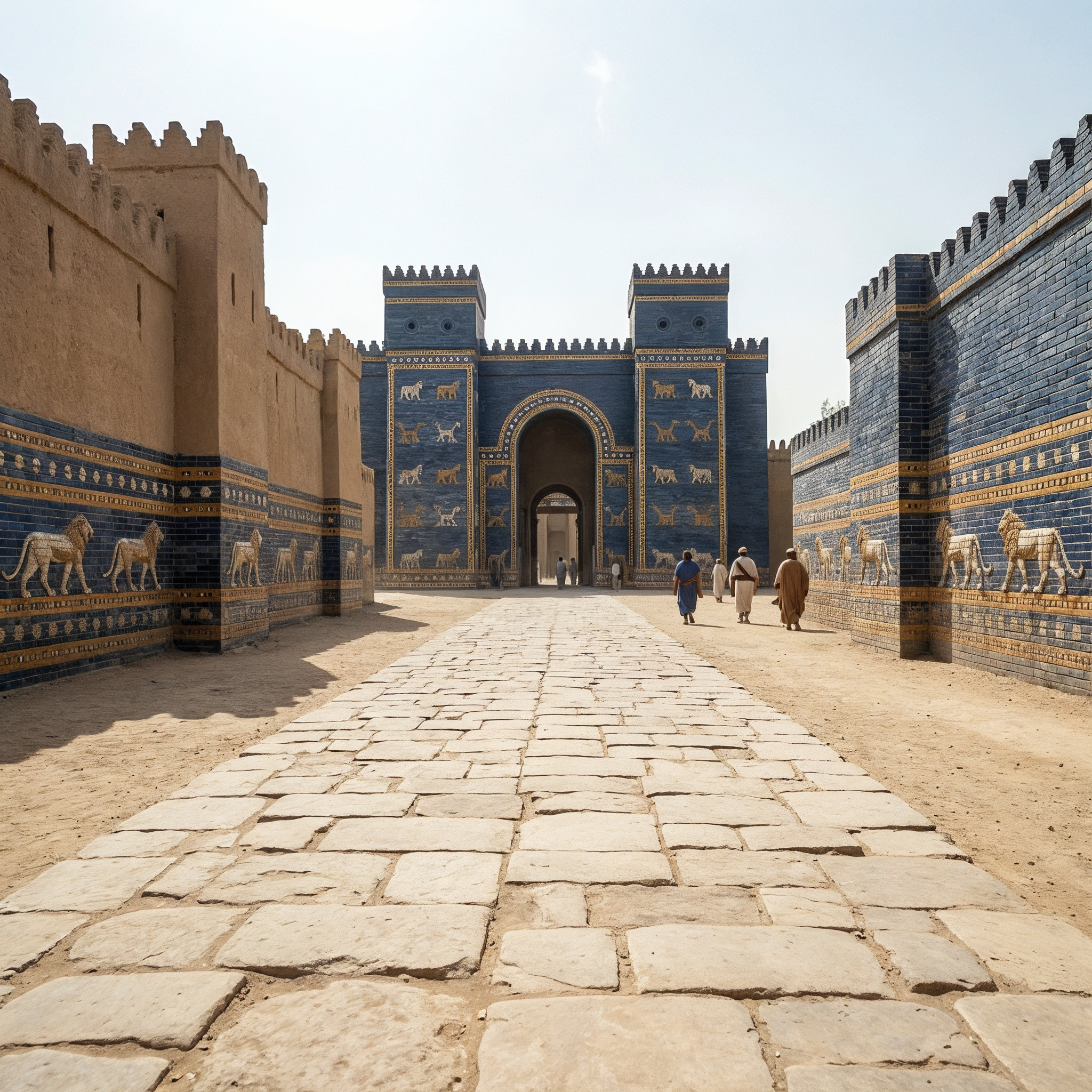 There’s a man in your kingdom who has the spirit of the holy gods in him. In the days of your father, this man has illumination and insight and wisdom like the wisdom of the gods. Your father King Nevukadnetstsar appointed him chief of the magicians, sorcerers, Chaldeans, and astrologers,