Note: This view shows ‘verses’ which are not necessarily natural language units and hence sometimes only part of a sentence will be visible—click on any Bible version abbreviation down the left-hand side to see the verse in more of its context. Normally the OET discourages the reading of individual ‘verses’, but this view is only designed as a tool for Bible-translators and others doing comparisons of different translations—the older translations are further down the page (so you can read up from the bottom to trace the English translation history). The OET segments on this page are still early looks into the drafted texts of the Open English Translation of the Bible—please double-check these texts in advance before using in public.
5:21OSHB note: BHS has been faithful to the Leningrad Codex where there might be a question of the validity of the form and we keep the same form as BHS.
Key: khaki:verbs.
Note: Automatic aligning of the OET-RV to the LV is done by some temporary software, hence the OET-RV alignments are incomplete (and may occasionally be wrong).
BrLXXVerse alignment unavailable (unsupported).
BrTrVerse alignment unavailable (unsupported).
ULTAnd he was driven from the sons of man, and his heart resembled with an animal, and his dwelling, was with the wild donkeys. They fed him grass like oxen, and his body was wet with the dew of the heavens, until that he knew that the Most High God, is ruler over the kingdom of man and whom that he wishes, he sets up over it.
USTHe no longer lived among people. He had a mind like an animal. He lived among wild donkeys. He ate grass as oxen do. The dew that forms from the air made his body damp. He lived that way until he recognized that the Supreme God rules over human kingdoms. He chooses who will be their kings.
BSB & MSBHewasdrivenawayfrommankind, andhismindwaslike[that of] abeast. He lived with the wild donkeys and ate grass like an ox, and his body was drenched with the dew of heaven until he acknowledged that the Most High God rules over the kingdom of mankind, setting over it whom He wishes.
OEBNo OEB DAN 5:21 book available
WEBBE & WMBBHe was driven from the sons of men, and his heart was made like the animals’, and his dwelling was with the wild donkeys. He was fed with grass like oxen, and his body was wet with the dew of the sky, until he knew that the Most High God rules in the kingdom of men, and that he sets up over it whomever he will.
NETHe was driven from human society, his mind was changed to that of an animal, he lived with the wild donkeys, he was fed grass like oxen, and his body became damp with the dew of the sky, until he came to understand that the most high God rules over human kingdoms, and he appoints over them whomever he wishes.
LSVand he is driven from the sons of men, and his heart has been like with the beasts, and with the wild donkeys [is] his dwelling; they cause him to eat the herb like oxen, and by the dew of the heavens is his body wet, until he has known that God Most High is ruler in the kingdom of men, and whom He wills He raises up over it.
FBVHe was driven away from human society and his mind became like that of an animal. He lived with the wild donkeys and ate grass like cattle, and he was soaked with the dew of heaven until he acknowledged that the Most High rules over human kingdoms, and that he gives them to anyone he chooses.
T4THis officials sent him away in order that he would not be near other people. God caused him to have a mind like animals have. He lived among the wild donkeys. He ate grass like cows do, and dew from the sky caused his body to be damp/wet each morning. He was like that until he learned that the Supreme God is really the one who rules the kingdoms of this world, and that he appoints whomever he chooses to rule those kingdoms.
LEBAnd he was driven away ⌊from human society⌋[fn] and his mind was made like the animals[fn] and his dwelling was with the wild asses; and⌊he was given⌋[fn] grass like oxen to eat, and with[fn] the dew of heaven his body was bathed, until he acknowledged that the Most High God is sovereign over the kingdom of humankind, and ⌊whoever⌋[fn] he wants he sets over it.
BBEAnd he was sent out from among the sons of men; and his heart was made like the beasts', and he was living with the asses of the fields; he had grass for his food like the oxen, and his body was wet with the dew of heaven, till he was certain that the Most High is ruler in the kingdom of men, and gives power over it to anyone at his pleasure.
Moffhe was driven away from human beings, his mind was made like the mind of an animal, and his dwelling was with the beasts; he ate grass like cattle and his body was drenched with the dews of heaven, till he learned that the Most High God rules over the realm of men and that he sets over it anyone whom he chooses.
JPSand he was driven from the sons of men, and his heart was made like the beasts, and his dwelling was with the wild asses; he was fed with grass like oxen, and his body was wet with the dew of heaven; until he knew that God Most High ruleth in the kingdom of men, and that He setteth up over it whomsoever He will.
ASVand he was driven from the sons of men, and his heart was made like the beasts’, and his dwelling was with the wild asses; he was fed with grass like oxen, and his body was wet with the dew of heaven; until he knew that the Most High God ruleth in the kingdom of men, and that he setteth up over it whomsoever he will.
DRAVerse alignment unavailable (unsupported).
YLTand from the sons of men he is driven, and his heart with the beasts hath been like, and with the wild asses [is] his dwelling; the herb like oxen they cause him to eat, and by the dew of the heavens is his body wet, till that he hath known that God Most High is ruler in the kingdom of men, and whom He willeth He raiseth up over it.
Drbyand he was driven from the sons of men, and his heart was made like the beasts, and his dwelling was with the wild asses; they fed him with grass like oxen, and his body was bathed with the dew of heaven; till he knew that the Most High [fn]God ruleth over the kingdom of men, and that he appointeth over it whomsoever he will.
RVand he was driven from the sons of men; and his heart was made like the beasts, and his dwelling was with the wild asses; he was fed with grass like oxen, and his body was wet with the dew of heaven: until he knew that the Most High God ruleth in the kingdom of men, and that he setteth up over it whomsoever he will. (and he was driven from the sons of men; and his heart was made like the beasts/animals, and his dwelling was with the wild asses; he was fed with grass like oxen, and his body was wet with the dew of heaven: until he knew that the Most High God rules in the kingdom of men, and that he setteth up over it whomsoever he will.)
SLTAnd he was driven from the sons of men, and his heart was made level with the beasts, and with wild asses his dwelling: they will feed him with the green herb as oxen, and from the dew of the heavens his body will be wet; till that he knew that God the Most High ruled in the kingdom of men, and to whom he will, he will set up over it.
WbstrAnd he was driven from the sons of men; and his heart was made like the beasts, and his dwelling was with the wild asses: they fed him with grass like oxen, and his body was wet with the dew of heaven; till he knew that the most high God ruleth in the kingdom of men, and that he appointeth over it whomsoever he will.
KJB-1769And he was driven from the sons of men; and his heart was made like the beasts, and his dwelling was with the wild asses: they fed him with grass like oxen, and his body was wet with the dew of heaven; till he knew that the most high God ruled in the kingdom of men, and that he appointeth over it whomsoever he will.[fn] (And he was driven from the sons of men; and his heart was made like the beasts/animals, and his dwelling was with the wild asses: they fed him with grass like oxen, and his body was wet with the dew of heaven; till he knew that the most high God ruled in the kingdom of men, and that he appointeth over it whomsoever he will.)
KJB-1611And hee was driuen from the sonnes of men, and [fn]his heart was made like the beasts, and his dwelling was with the wilde asses: they fed him with grasse like oxen, and his body was wet with the dew of heauen, till hee knew that the most high God ruled in the kingdome of men, and that hee appointeth ouer it whomsoeuer he will. (Modernised spelling is same as from KJB-1769 above, apart from marking of added words (and possibly capitalisation and punctuation and footnotes))
BshpsHe was driuen out from the sonnes of men, his heart was made lyke the beastes, and his dwelling was with the wilde Asses, they fed him with grasse lyke Oxen, and his body was wet with the deawe of the heauen, till he knewe that the most hie God bare rule ouer the kingdome of men, and that he appoynteth ouer it whom so euer he pleaseth. (He was driven out from the sons of men, his heart was made like the beasts/animals, and his dwelling was with the wild Asses, they fed him with grass like Oxen, and his body was wet with the dew of the heaven, till he knew that the most high God bare rule over the kingdom of men, and that he appoints over it whom so ever he pleaseth/pleases.)
GnvaAnd hee was driuen from the sonnes of men, and his heart was made like the beastes, and his dwelling was with the wilde asses: they fed him with grasse like oxen, and his body was wet with the dewe of the heauen, till he knewe, that the most high God bare rule ouer the kingdome of men, and that he appointeth ouer it, whomsoeuer he pleaseth. (And he was driven from the sons of men, and his heart was made like the beasts/animals, and his dwelling was with the wild asses: they fed him with grass like oxen, and his body was wet with the dew of the heaven, till he knew, that the most high God bare rule over the kingdom of men, and that he appointeth over it, whomsoever he pleaseth/pleases.)
CvdlHe was shot out from amonge men, his herte was like a beestes herte, and his dwellynge was with the wylde Asses: he was fayne to eate grasse like an oxe, and his body was wet with the dew off the heauen: till he knewe, that the hyest had power vpon the kyngdomes of men, and setteth ouer them, whom he list. (He was shot out from among men, his heart was like a beasts/animals heart, and his dwelling was with the wild Asses: he was gladly to eat grass like an ox, and his body was wet with the dew off the heaven: till he knew, that the highest had power upon the kingdoms of men, and setteth over them, whom he list.)
WyclVerse alignment unavailable (unsupported).
Luthund ward verstoßen von den Leuten, und sein Herz ward gleich den Tieren, und mußte bei dem Wild laufen und fraß Gras wie Ochsen, und sein Leib lag unter dem Tau des Himmels und ward naß, bis daß er lernete, daß GOtt der Höchste Gewalt hat über der Menschen Königreiche und gibt sie, wem er will. (and what/which violated from the people, and be heart what/which even the animals, and had_to at/in to_him Wild run(v) and ate grass as/like oxen, and be body lag under to_him dew the heavens and what/which wet, until that he learnt, that God the/of_the highest_(one) violence has above the/of_the people kingdoms and gives they/she/them, whom he will.)
The author continued to write in the Aramaic language. He wrote about how King Belshazzar gave a big banquet and made use of the sacred treasures from the Jerusalem temple. Belshazzar saw a hand writing a mysterious message on the wall. Only Daniel was able to explain the message, that God was about to punish Belshazzar. That same night an army of Medes and Persians conquered the city and killed Belshazzar.
English versions give different headings to Daniel 5. These include:
The Handwriting on the Wall (GW)
The Writing on the Wall (NIV)
King Belshazzar’s Banquet (CEV)
In some languages it may be more natural to write the heading in the form of a clause. For example, you could say:
King Belshazzar saw a hand write on the wall.
King Belshazzar had/gave a banquet/feast.
Some versions give headings to the subsections of Daniel 5. For example, the NLT has two headings:
The Writing on the Wall (5:1)
Daniel explains the writing (5:13)
The NRSV has three headings:
Belshazzar’s Feast (5:1)
The Writing on the Wall (5:5)
The Writing on the Wall Interpreted (5:13)
You should decide the number of headings that is best in your translation. The purpose of headings is to help readers to follow the events of the story. Headings also help the reader understand the relationships between the different parts of the story. You should try not to have more headings than necessary.
Historical Background:
Nabonidus was the king of Babylon from 556 to 539 B.C. Historical records indicate that he married Nitocris, the daughter of Nebuchadnezzar, and that Belshazzar was their oldest son.See the ancient Greek historian Herodotus and the Nabonidus Chronicles. While Nabonidus was absent from Babylon during the last ten years of his reign, Belshazzar acted as king in his place.
Daniel 5 describes the last night of the Babylonian empire. From other historic sources we know that Cyrus, the king of Persia, attacked the Babylonian army during the 7th month of the year 539 B.C. On the 15th day of that month, they attacked the town of Sippar and King Nabonidus fled. The next day Cyrus’ army entered the city of Babylon without any battle and killed its ruler, Belshazzar. Daniel 5 describes what Belshazzar was doing on the last day of the Babylonian empire.
Paragraph 5:20–21
Daniel told Belshazzar how God had humbled Nebuchadnezzar because of his pride.
5:21a
He was driven away from mankind,
He was driven from human society.
and they (indefinite) forced him to live away from people.
They banished him from their towns/society.
He was driven away from mankind: The Aramaic expression is literally “and from the sons of men was driven.” It is a passive clause. Ways to translate it here include:
Using a passive verb. For example:
He was driven from human society (NET)
He was chased away from people (GW)
he was forced to stay away from people (CEV)
Using an active verb. For example:
they (indefinite) forced him to live away from people
people banished him from human society
from mankind: The Aramaic phrase that the BSB translates as from mankind is literally “from the sons of mankind.” Compare 4:25a and 4:33b, where the Aramaic text is literally “from mankind.” The meaning is the same. The phrase refers to people in general. Here is another way to translate this:
from human society (GNT)
5:21b
and his mind was like that of a beast.
He began to think and act like a wild animal.
God caused him to think and act like an animal.
and his mind was like that of a beast: The Aramaic expression that the BSB translates as his mind was like that of a beast is more literally “was made the same as the mind of an animal.” It indicates that God caused Nebuchadnezzar to begin thinking and acting irrationally, like an animal does. See the Notes at 4:16a–b and how you translated it there. In Aramaic this is a passive clause. There are at least two ways to translate it:
Using a passive verb. For example:
his mind was changed into an animal’s mind (GW)
his mind was made like that of an animal (NRSV)
Using an active verb. For example:
his mind became like that of an animal (GNT)
and he began to think like an animal thinks
The Most High God caused him to think like an animal.
The expression does not mean that Nebuchadnezzar physically received an animal’s brain. It simply means that he began to think irrationally and act as if he were an animal. Translate this expression in a way that is natural in your language.
his mind was like that of a beast: Here the Aramaic word that the BSB translates as like indicates a comparison. Other ways to translate this to show comparison are:
a mind like an animal’s mind
stopped thinking like a human and began thinking like an animal
mind: The Aramaic word that the BSB translates as mind is literally “heart.” In the Aramaic language, the heart was the place in the body where people thought, made decisions, and felt emotions. See the Notes at 4:16a, 5:20a, and 5:21b. Translate this idea in a way that is natural in your language. For example
use the name of the body part that has this function in your language and culture:
heart/stomach/liver
use a verb:
He thought like…
beast: See 4:12c. The same Hebrew expression is used here. While in 4:12b this expression referred to wild animals, here it can refer to any animal. It is good to use a term that emphasizes the inferiority of animals over people as the BSB has done here.
5:21c
He lived with the wild donkeys
He made his home where wild donkeys live.
He had to live outdoors with wild animals,
He lived with the wild donkeys: The Aramaic text literally says, “his dwelling place was with the wild donkeys.” See the Notes at 4:15d, 4:25b. The king lived where wild donkeys live, far away from people.The Translator’s Handbook on Daniel suggests that the point of comparison is that just as the donkeys were wild and untamed, so the king acted wildly, in a uncivilized manner. Here are some other ways to translate this:
He lived where the wild donkeys lived
He had to live outdoors with wild donkeys.
The home/shelter of the wild donkeys became his home/shelter.
wild donkeys: In 4:25b Daniel said that Nebuchadnezzar would have to live with wild animals. Here Daniel identified one kind of those wild animals—the wild donkey, or wild ass. A donkey is an animal that resembles a horse but has longer ears and a shorter mane. People used these animals to carry heavy loads, because they were very strong.
5:21d
and ate grass like an ox,
He ate grass like cattle do.
and he had to feed/graze on grass like an ox.
and ate grass like an ox: The Aramaic expression that the BSB translates as ate grass is literally “they fed him with grass.” The subject is indefinite. See the Notes at 4:32c, 4:33c. In your translation, use a word for grass that refers to the type of food that cattle eat—wild grasses and grains—rather than lawn grass. Here is another way to translate this:
he had…to feed on grass like oxen (REB)
like an ox: The ancient farm animal known as the ox (plural “oxen”) had horns and was related to modern day cows. In this context, the word ox refers to cattle in general. See the Notes at 4:25c, 4:33c. Here is another way to translate this:
like cattle (GW)
In your translation, use either the singular or the plural form, whichever is most natural in this context.
5:21e
and his body was drenched with the dew of heaven
His body became wet from the dew.
Dew from the sky made him wet.
and his body was drenched with the dew of heaven: The Aramaic word that the BSB translates as was drenched means “to become wet.” The dew caused the king to become wet because he lived outside. He did not have any shelter. See the Notes at 4:15c, 4:25d, 4:33d. Here the verb describes a regular action in the past. Each morning Nebuchadnezzar became wet from the dew.
Some English translations begin a new sentence here. For example
He became wet from dew (NCV)
Dew from the sky made his body wet (GW)
the dew of heaven: See the Notes at 4:15c. dew refers to the moisture from the air that condenses at night and appears in the morning as little drops on plants and on the ground.The expression occurs in Daniel 4:12, 20, 22, 30; 5:21. If you do not have a word that means dew, you may be able to say:
the water that appears in the morning
5:21f
until he acknowledged that the Most High God rules over the kingdom of mankind,
He lived like this until he realized/recognized that the Most High God has authority over all the kingdoms on earth.
This lasted/continued until he admitted/confessed that the Most High God is ruler/king over every earthly/human kingdom.
until he acknowledged that the Most High God rules over the kingdom of mankind: See the Notes at 4:25f. This verse part indicates when the situation described in 5:21a–e came to an end. In some languages it may be natural to begin a new sentence here. For example:
This lasted until he acknowledged that the Most High God is lord over all kingdoms on earth
These things happened to him until he learned his lesson: The Most High God rules over every kingdom on earth (NCV)
He was forced to do this until he learned that the Most High God rules all kingdoms on earth (CEV)
acknowledged: The Aramaic verb that the BSB translates as acknowledged is the same verb as in 4:17c (“will know”) and 4:25f. In this context it means “accepted” or “came to know.” It refers to affirming something the king had previously denied. Here are some other ways to translate this:
he admitted (GNT)
he learned (NLT)
the Most High God: The title the Most High God identifies the one true God as greater than all other beings that people worship. In your translation of this title, avoid implying that there exist other gods with less power. See the Notes at 3:26b and 4:2b. Translate it here as you did there. For example:
the Supreme God (GNT)
God Most High (CEV)
rules: The Aramaic word that the BSB translates as rules is more literally “is powerful, mighty” or “is lord over.” Here are some other ways to translate this:
is sovereign (NIV)
has power over (GW)
controls (CEV)
the kingdom of mankind: The Aramaic expression that the BSB translates as the kingdom of mankind is singular but because this phrase refers to all the kingdoms on earth some English translations translate this phrase in a way that indicates it includes all earthly kingdoms. See how you translated this in 4:25f. For example:
human sovereignty (NJB)
human kingdoms (GW)
every kingdom on earth (NCV)
5:21g
setting over it whom He wishes.
He appoints whoever he wants to be their rulers.
He chooses/decides who will rule them.
setting over it whom He wishes: The Aramaic verb that the BSB translates as setting literally means “raises” (NJB). In this context, it means “appoints” or “causes to rule.” God decides who should rule, and he makes that person the ruler. See the Notes at 4:17d–e. Other ways to translate this phrase include:
appoints over it whom he will (REB)
appoints anyone he desires to rule over them (NLT)
over it: The Aramaic word that the BSB translates as over it refers back to all kingdoms on earth, all human rule, and every kingdom on earth. Use the pronoun that makes this clear. Or you may wish to follow the NCV and say explicitly:
over those kingdoms (NCV)
whom He wishes: The Aramaic expression that the BSB translates as whom He wishes means “decides, chooses.” See the Notes at 4:17e, 4:25g Other ways to translate this include:
whom he will (RSV)
anyone he chooses (NLT)
General Comment on 5:21g
In some languages it may be natural to reorder the verb phrases in this verse part. For example:
The expression he was driven is a passive verbal form. If it would be unnatural to use that form, you could express the idea in active form or in another way that is natural in your language. Alternate translation: [God drove him]
and=from (Some words not found in UHB: and=from sons_of of_(the),humankind driven_away and,heart_of,his with the,animal[s] made and_[was],with the_wild,donkeys his_dwelling_of,place (the),grass like,oxen they,fed_him and,from,the_dew_of the=heavens body_of,his drenched until that/who acknowledged that/who sovereign the=god עלי,א over,the_kingdom_of of_(the),humankind and,to,whomever that/who wants sets עלי,ה )
The pronoun he refers to Nebuchadnezzar, while the pronoun he in whom that he wishes, he sets up over it refers to God. It may be helpful to clarify this for your readers. Alternate translation: [And Nebuchadnezzar was driven from the sons of man and his heart resembled with an animal and his dwelling was with the wild donkeys. They fed him grass like oxen and his body was wet with the dew of the heavens until Nebuchadnezzar knew that the Most High God is ruler over the kingdom of man and whomever God wishes, God sets up over it]
Daniel is using the phrase the sons of man as a common expression of the culture to mean human beings in general. If this phrase does not have that meaning for your readers, you could use a comparable expression from your language that does have that meaning, or you could state the meaning plainly. Alternate translation: [humanity]
The point of this comparison is that just as an animal thinks and acts without human reason, so Nebuchadnezzar’s heart, or mind, became like that. If it would be helpful in your language, you could make this point explicitly. Alternate translation: [and his mind lost human reason and became like that of an animal]
The point of this comparison is that just as oxen eat grass, so Nebuchadnezzar was fed grass to eat. If it would be helpful in your language, you could make this point explicitly. Alternate translation: [They fed him grass to eat, just as oxen eat grass]
until (Some words not found in UHB: and=from sons_of of_(the),humankind driven_away and,heart_of,his with the,animal[s] made and_[was],with the_wild,donkeys his_dwelling_of,place (the),grass like,oxen they,fed_him and,from,the_dew_of the=heavens body_of,his drenched until that/who acknowledged that/who sovereign the=god עלי,א over,the_kingdom_of of_(the),humankind and,to,whomever that/who wants sets עלי,ה )
If it would be more natural in your language, you could reverse the order of these phrases, since the second phrase, until that he knew, gives the reason for the result that the first phrase describes. Alternate translation: [Because he needed to know that the Most High God is ruler over the kingdom of mankind and sets over it whomever he wishes, he was driven from the sons of man, his heart resembled that of an animal, his dwelling was with the wild donkeys, they fed him grass like oxen, and his body was wet with the dew of the heavens]
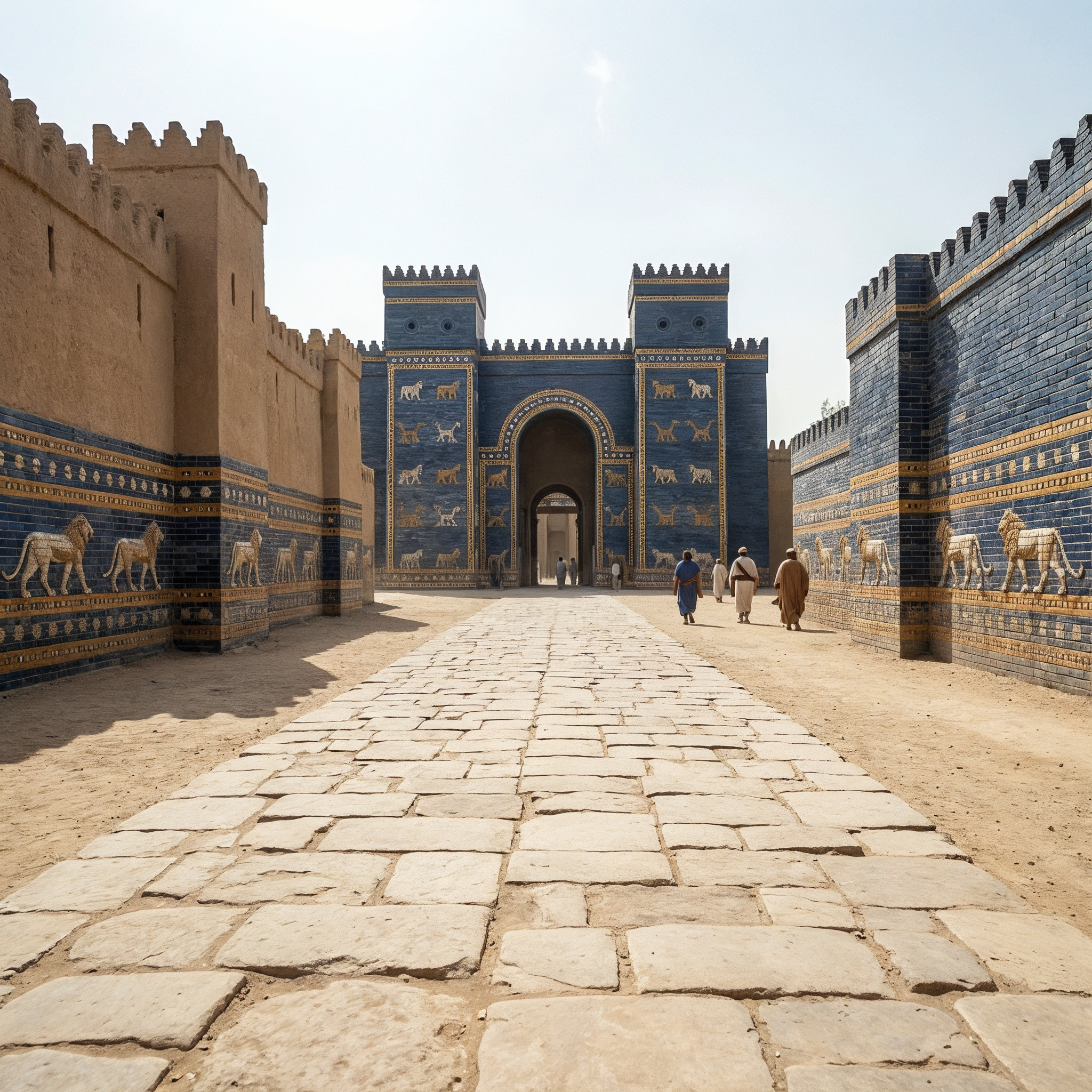 He was driven right out of the community, and he started behaving like an animal—he ended up living with wild donkeys and eating grass like a cow. He slept on the ground, and in the morning his body was wet with dew, until he finally recognized that the highest god is ruler over all mankind and that he appoints whoever he wants as leaders over the kingdoms.